

Choosing Between Positive Pressure and Negative Pressure for Grain Conveying: How to Distinguish?
When it comes to grain handling and transportation, selecting the right conveying system is crucial for efficiency, cost-effectiveness, and operational safety. Two primary methods stand out in the industry: positive pressure conveying and negative pressure conveying. Understanding the differences between these two approaches is essential for making an informed decision that aligns with specific operational needs. This article will explore the key distinctions between positive and negative pressure grain conveying systems, providing insights into how to choose the most suitable option for your application.
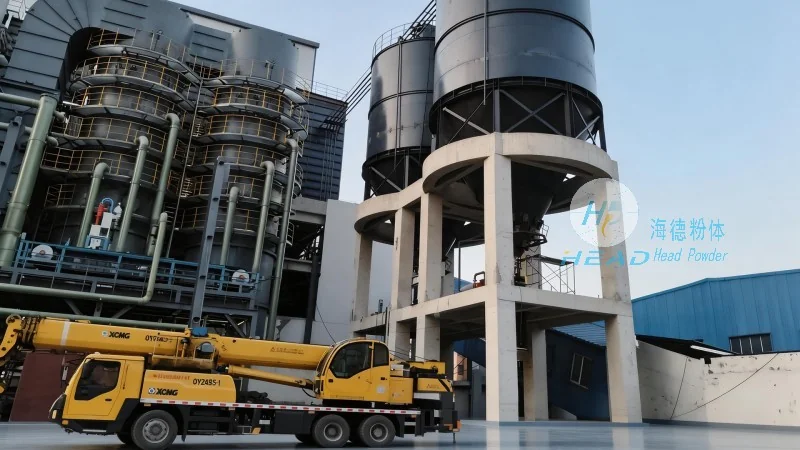
Understanding Positive Pressure Conveying
Positive pressure conveying systems operate by blowing air or gas into the conveying line, creating a pressure higher than the ambient air pressure. This method forces the material to move through the system. In the context of grain handling, positive pressure systems typically use fans or blowers to generate the necessary pressure, pushing the grain from the source to the destination. The primary advantage of positive pressure is its ability to handle a wide range of materials, including fine powders and bulk solids, with high efficiency. These systems are often used in applications where the material needs to be transported over long distances or through complex layouts. However, they may require more energy input compared to negative pressure systems, as the pressure differential needs to be maintained consistently.
Key Features of Positive Pressure Conveying
Positive pressure conveying systems are characterized by several key features that make them suitable for various grain handling scenarios. One of the main advantages is their ability to handle abrasive and heavy materials without significant wear on the system components. The high pressure ensures that the material is moved effectively, even in challenging conditions. Additionally, these systems can be designed to operate in both horizontal and vertical configurations, providing flexibility in system layout. However, the high energy consumption is a notable drawback, as it can increase operational costs over time. Maintenance is also a consideration, as the fans and blowers used in positive pressure systems may require regular inspection and replacement of parts to ensure optimal performance.
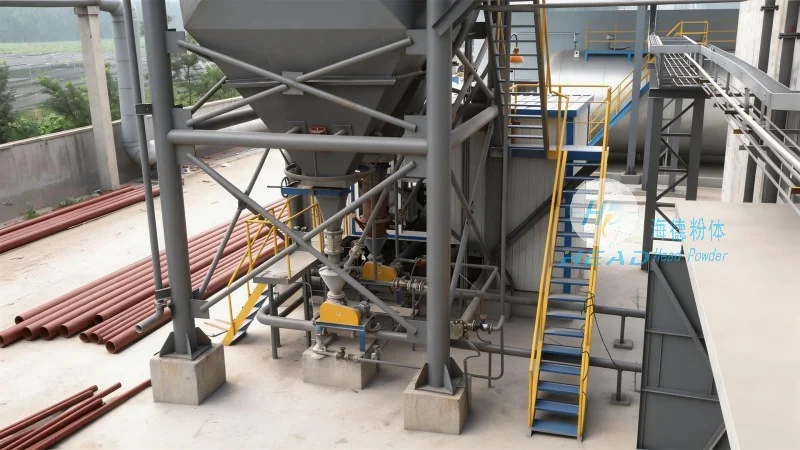
Understanding Negative Pressure Conveying
Negative pressure conveying, also known as suction conveying, works by creating a vacuum or low pressure in the conveying line, which draws the material from the source into the system. This method relies on the pressure difference between the source and the destination to move the grain. Negative pressure systems typically use vacuum pumps or fans to create the necessary suction, pulling the material through the line. The primary advantage of negative pressure is its lower energy consumption compared to positive pressure systems, as it does not require the same level of pressure generation. This can lead to reduced operational costs, especially for long-distance or high-volume applications. However, negative pressure systems may have limitations in handling certain materials, such as very fine powders or those with high moisture content, as the suction may not be sufficient to move them effectively.
Key Features of Negative Pressure Conveying
Negative pressure conveying systems offer distinct advantages that make them a popular choice in many grain handling applications. One of the main benefits is their lower energy consumption, which can result in significant cost savings over the system's lifespan. The suction mechanism is also gentler on the material, reducing the risk of breakage or degradation, which is particularly important for delicate grains. Additionally, these systems are often more compact and easier to install, as they do not require the same level of pressure infrastructure as positive pressure systems. However, the suction capacity may be limited by the system's design, and the material may need to be pre-dried or conditioned to ensure proper conveying. Maintenance is also important, as the vacuum pumps and filters used in negative pressure systems may require regular cleaning and replacement to maintain performance.
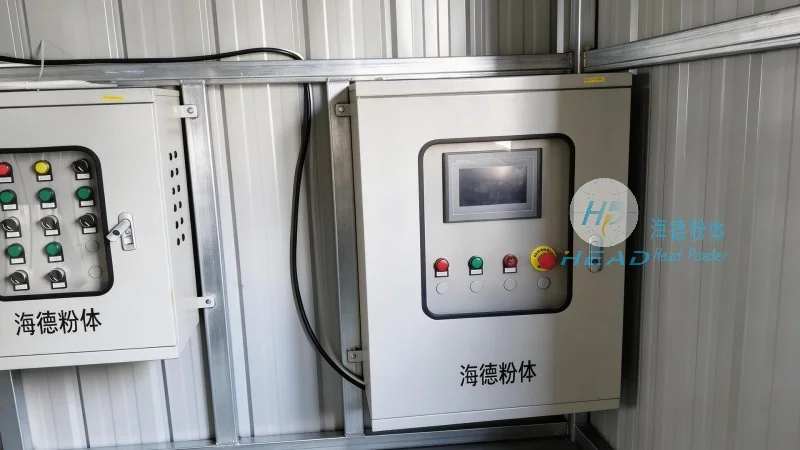
Distinguishing Between Positive and Negative Pressure Conveying
When deciding between positive and negative pressure conveying for grain handling, several factors should be considered. The first is the material characteristics, such as particle size, moisture content, and abrasiveness. Positive pressure systems are generally better suited for abrasive or heavy materials, while negative pressure may be more appropriate for fine or delicate grains. The second factor is the distance and layout of the conveying system. Positive pressure is often preferred for long-distance or complex layouts, as it can maintain pressure over longer distances. The third factor is energy efficiency and cost. Negative pressure systems are typically more energy-efficient and cost-effective for shorter distances or moderate volumes. The fourth factor is operational safety and maintenance. Positive pressure systems may require more robust components and regular maintenance, while negative pressure systems may have simpler designs but may need more frequent filter changes.
Conclusion
Choosing between positive pressure and negative pressure conveying for grain handling requires a careful evaluation of operational needs, material characteristics, and cost considerations. Positive pressure systems offer high efficiency and flexibility for a wide range of materials but may have higher energy costs and maintenance requirements. Negative pressure systems provide lower energy consumption and gentler handling but may have limitations in material handling and system layout. By understanding the key differences and considering the specific requirements of your application, you can select the most suitable conveying system to ensure efficient and reliable grain transportation. Whether you are operating in a large-scale agricultural facility or a small-scale processing plant, the right choice of conveying system can significantly impact your operational performance and overall success.