

Carbon Black Handling: Positive Pressure vs. Negative Pressure - How to Differentiate?
When it comes to transporting carbon black, selecting the right method is crucial for efficiency, safety, and operational costs. Two primary approaches are widely used: positive pressure and negative pressure systems. Understanding the differences between these two methods is essential for making an informed decision that aligns with specific operational needs. This article explores the key aspects of positive pressure and negative pressure carbon black handling, providing insights into how to effectively distinguish between them and choose the most suitable option for your application.
Understanding Carbon Black Handling Systems
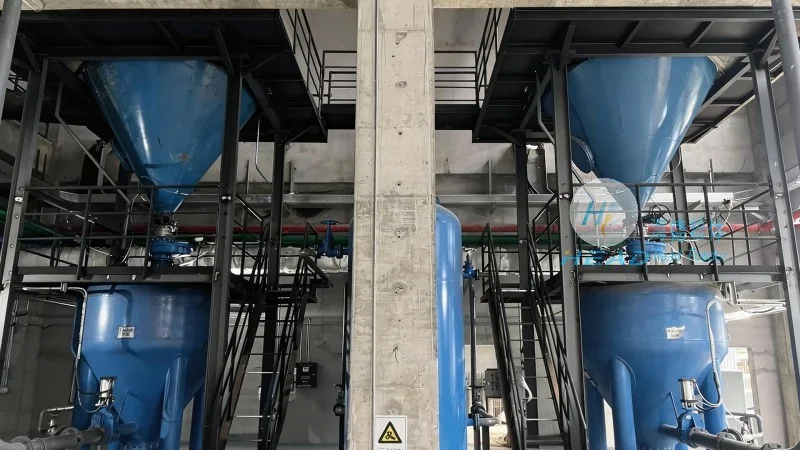
Carbon black is a fine, black powder commonly used in various industries, including tires, plastics, and inks. Its handling requires specialized equipment due to its fine particle size and potential for dust generation. The choice between positive pressure and negative pressure systems depends on factors such as material properties, plant layout, and environmental regulations. Both methods aim to move carbon black from a source to a destination, but they achieve this through different principles and mechanisms.
Positive Pressure Carbon Black Handling
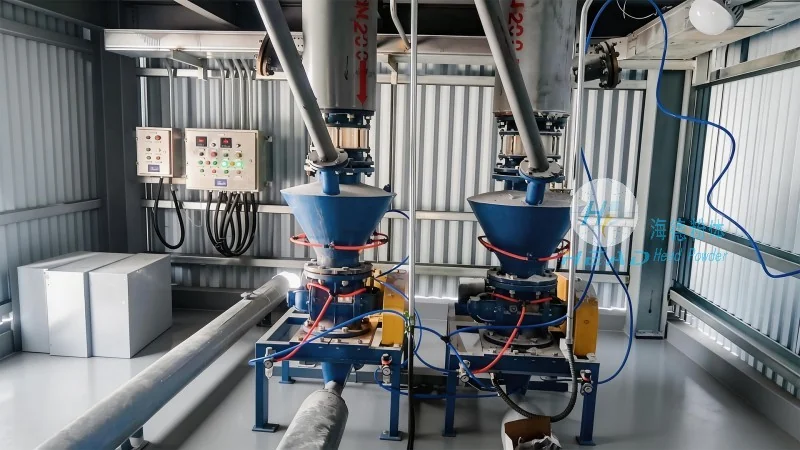
Positive pressure systems, also known as pressure-fed systems, operate by forcing carbon black through a network of pipes and equipment using compressed air or other gases. The entire system is pressurized, ensuring that air and carbon black move in a controlled manner. This approach is often preferred for applications where the material is highly abrasive or where dust containment is critical. The positive pressure system maintains a higher pressure within the pipeline, preventing external air from entering and minimizing the risk of dust leakage. Companies like Shandong HeadPowder Engineering Co., Ltd. specialize in designing and implementing such systems, ensuring compliance with industry standards and operational efficiency.
Negative Pressure Carbon Black Handling
Negative pressure systems, or vacuum-fed systems, rely on creating a vacuum to draw carbon black from a source into a collection or transport system. The system operates by reducing pressure in the pipeline, causing carbon black to be pulled along with the air flow. This method is typically used in applications where the material is less abrasive or where the plant layout allows for a more open system. Negative pressure systems are generally simpler in design and can be more cost-effective for smaller-scale operations. However, they may pose higher risks of dust exposure and require additional filtration to maintain air quality standards.
Distinguishing Between Positive and Negative Pressure Systems
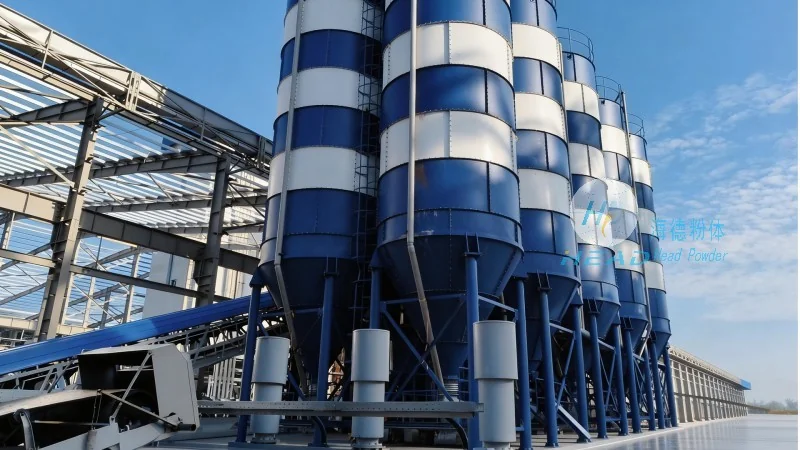
Identifying the appropriate carbon black handling system involves evaluating several key factors. First, consider the material's properties, such as particle size, moisture content, and abrasiveness. Positive pressure systems are better suited for handling highly abrasive or fine powders, as they provide better control over dust generation. Negative pressure systems may be more suitable for less abrasive materials or when the plant layout necessitates a vacuum-based approach. Second, assess the plant's layout and available infrastructure. Positive pressure systems require a compressed air supply and may need additional equipment like blowers or pumps, while negative pressure systems rely on vacuum pumps and may need more extensive ductwork. Third, evaluate environmental and safety regulations. Positive pressure systems are often preferred in environments where dust containment is critical, as they minimize the risk of external air ingress. Negative pressure systems may require additional filtration and exhaust systems to comply with air quality standards.

Choosing the Right System for Your Needs
After evaluating the factors mentioned above, the next step is to select the most appropriate system. Positive pressure systems offer better control over dust and are ideal for high-abrasion applications, but they may require more complex infrastructure and higher operational costs due to the need for compressed air. Negative pressure systems are simpler and more cost-effective for less demanding applications but may pose higher safety risks and require additional filtration. Companies like Shandong HeadPowder Engineering Co., Ltd. provide comprehensive solutions tailored to specific operational requirements, ensuring that the chosen system meets both performance and regulatory standards. Their expertise in carbon black handling allows them to design systems that optimize efficiency while minimizing risks and costs.
Conclusion
Choosing between positive pressure and negative pressure for carbon black handling requires a thorough understanding of the material's properties, operational requirements, and environmental regulations. By carefully evaluating these factors, businesses can select the most suitable system that enhances efficiency, ensures safety, and aligns with their operational goals. Whether opting for a positive pressure or negative pressure approach, partnering with a reputable company like Shandong HeadPowder Engineering Co., Ltd. can provide the necessary expertise and solutions to achieve optimal carbon black handling performance.