

Choosing Between Positive Pressure and Negative Pressure for Hay Transport: How to Distinguish?
When it comes to transporting hay, selecting the right system is crucial for efficiency and effectiveness. Two primary methods are widely used: positive pressure and negative pressure. Understanding the differences and how to choose between them is essential for optimizing your hay handling operations. This article will explore the key aspects of both systems, helping you make an informed decision based on your specific needs.
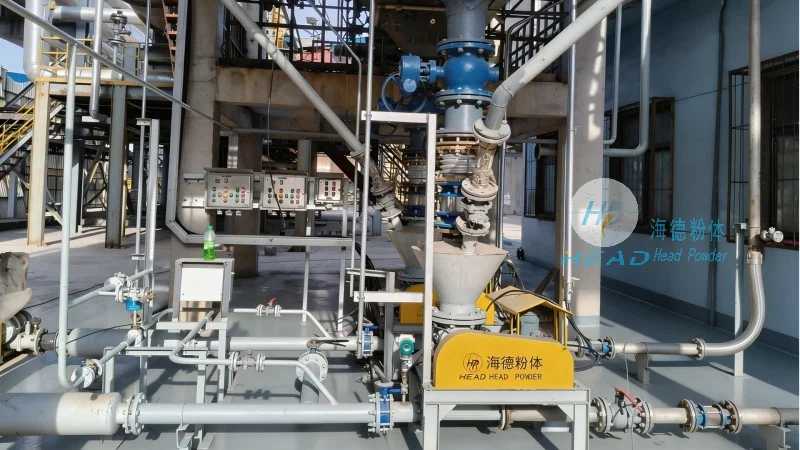
Understanding the Basics: Positive Pressure vs. Negative Pressure
Positive pressure systems operate by blowing air or gas into the transport system, creating an air flow that moves the hay. This method typically uses fans or blowers to generate the necessary pressure, pushing the material through the pipeline. On the other hand, negative pressure systems work by creating a vacuum or suction, drawing the hay into the system. This is achieved through suction fans or other vacuum-producing equipment, pulling the material towards the collection point.
Key Characteristics of Positive Pressure Systems
Positive pressure systems are known for their ability to handle a wide range of materials, including dry and moist hay. They are often more effective in moving larger quantities of material over longer distances, as the pressure ensures consistent flow. These systems are generally more robust and can handle blockages better, making them suitable for challenging environments. However, they may require more energy to operate and can be more expensive to install and maintain. Additionally, they might generate more noise and air pollution, which could be a concern in certain settings.
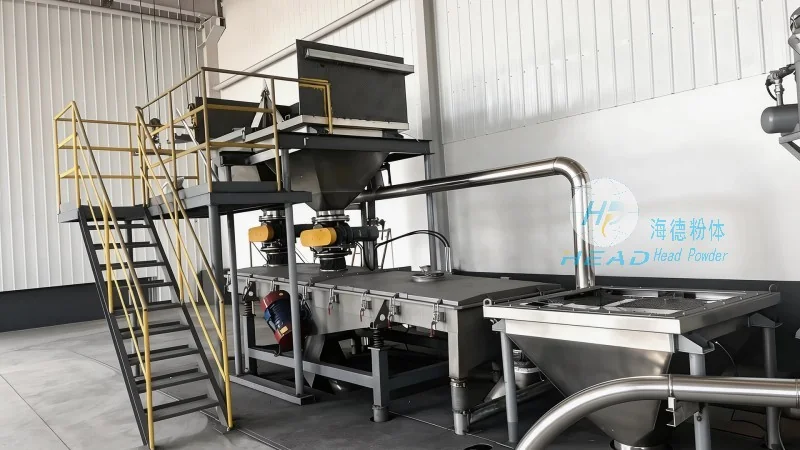
Key Characteristics of Negative Pressure Systems
Negative pressure systems are often more energy-efficient compared to positive pressure systems, as they rely on suction rather than blowing. They are particularly effective for handling fine or dusty materials, as the suction can prevent particles from escaping into the environment. These systems are generally quieter and produce less air pollution, making them a more environmentally friendly option. However, they may have limitations in terms of the distance they can effectively transport material, and they can be more susceptible to blockages, especially with larger or wetter hay. Proper maintenance and system design are critical to ensure smooth operation.
Distinguishing Factors: How to Choose the Right System
Choosing between positive and negative pressure systems depends on several factors, including the type of hay, the distance to be transported, the desired efficiency, and environmental considerations. For instance, if you need to transport large volumes of dry hay over long distances, a positive pressure system might be more suitable due to its higher capacity and reliability. Conversely, if you are handling fine or dusty hay and prioritize energy efficiency and low noise, a negative pressure system could be the better choice.
Another important factor is the infrastructure and space available. Positive pressure systems may require more space for the fan and ductwork, while negative pressure systems can be more compact. The cost of installation and ongoing maintenance should also be considered. Positive pressure systems might have higher upfront costs but lower operational costs, whereas negative pressure systems could be more affordable initially but have higher energy expenses.
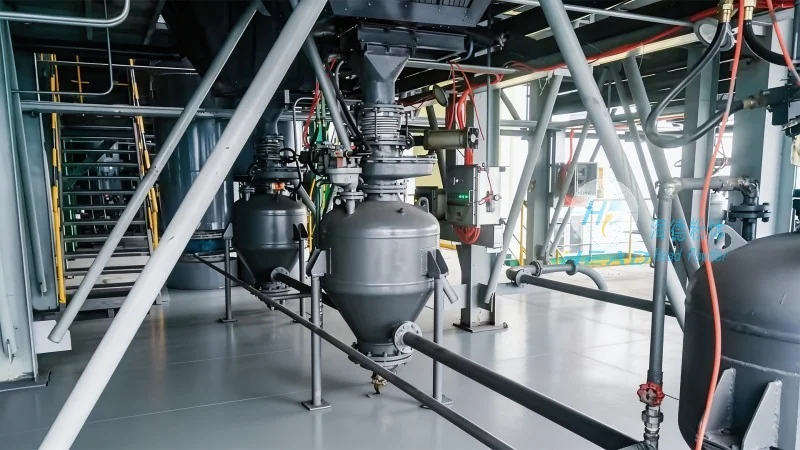
Company Profile: Shandong HeadPowder Engineering Co., Ltd.
Shandong HeadPowder Engineering Co., Ltd., commonly known as HeadPowder, is a leading manufacturer specializing in hay handling and transport solutions. With a strong presence in China, particularly in Shandong, the company has built a reputation for providing high-quality, reliable equipment tailored to the needs of agricultural operations. HeadPowder's products are designed to enhance efficiency, reduce operational costs, and ensure the safe and effective transport of hay. The company's commitment to innovation and customer satisfaction has made it a trusted partner for farmers and agricultural businesses seeking to optimize their hay handling processes.
Conclusion: Making the Right Choice for Your Operation
Ultimately, the choice between positive pressure and negative pressure for hay transport depends on a careful evaluation of your specific requirements. By understanding the characteristics of each system and considering factors such as material type, distance, energy efficiency, and cost, you can select the most appropriate solution for your operation. Whether you opt for a positive pressure or negative pressure system, investing in quality equipment from a reputable manufacturer like Shandong HeadPowder Engineering Co., Ltd. will help ensure long-term performance and reliability in your hay handling processes.