

Principle of Molybdenum Concentrate Pneumatic Conveying System
Molybdenum concentrate, a vital raw material in the production of high-performance alloys and industrial applications, demands efficient and reliable handling to ensure optimal processing and minimize material loss. The pneumatic conveying system represents a sophisticated solution for transporting molybdenum concentrate, utilizing compressed air to move the material through pipelines. This system is particularly advantageous in industrial settings where traditional mechanical conveying methods may be less suitable due to the material's properties or the need for a dust-free environment.
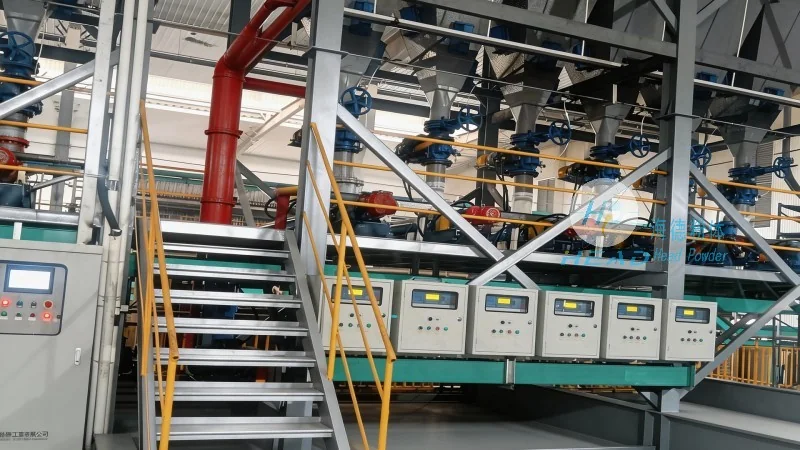
Core Principles of Pneumatic Conveying for Molybdenum Concentrate
The fundamental principle of a molybdenum concentrate pneumatic conveying system is the use of compressed air to generate a flow that transports the concentrate particles through a pipeline. The system typically operates under positive pressure, where air is introduced at the inlet to create sufficient velocity to carry the material. Key components include a feeder, a conveying line, and a receiver. The feeder ensures a consistent flow of concentrate into the system, often using a rotary valve or screw feeder. The conveying line transports the material to the desired location, typically made of stainless steel or other corrosion-resistant materials to withstand the abrasive nature of molybdenum concentrate. The receiver collects the concentrate at the end of the pipeline, often equipped with a dust collection system to maintain air quality and prevent contamination.
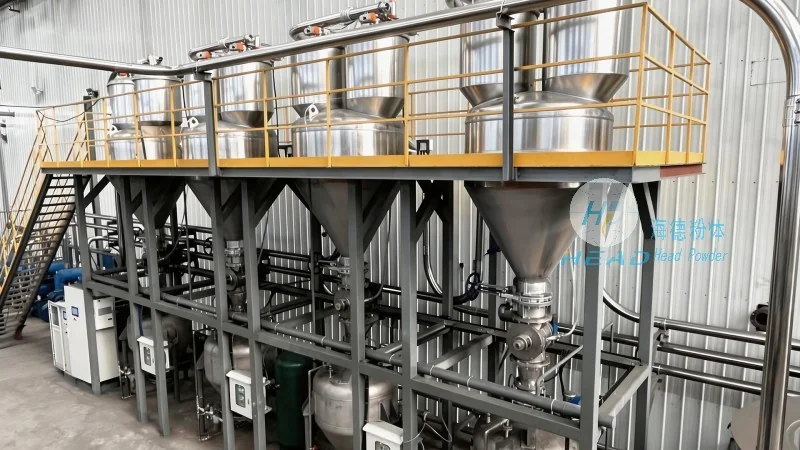
Key Components and Their Functions
Several critical components work in concert to ensure the efficient operation of a molybdenum concentrate pneumatic conveying system. The feeder is responsible for feeding the concentrate into the system, maintaining a steady flow. The conveying line, designed for durability and resistance to wear, transports the material over the required distance. The air compressor provides the necessary pressure to move the material, with pressure levels adjusted based on the distance and volume of material to be conveyed. The receiver, equipped with a filter or cyclone, separates the concentrate from the air, ensuring material collection without loss and maintaining air cleanliness before release.
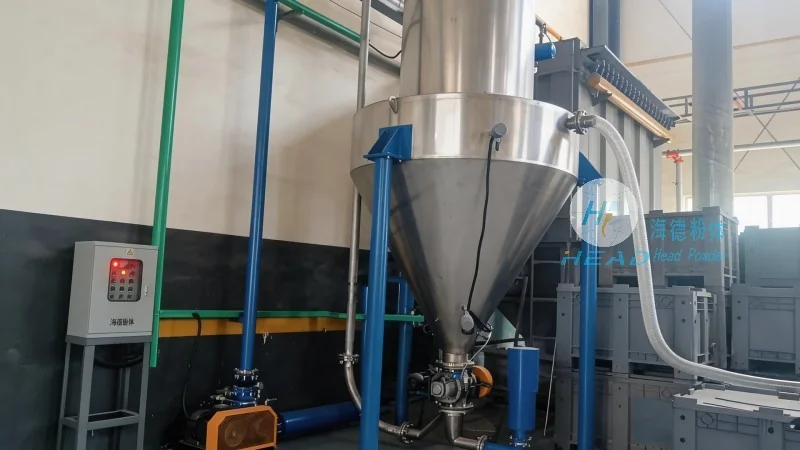
Advantages of Pneumatic Conveying for Molybdenum Concentrate Handling
Compared to traditional mechanical conveying methods, pneumatic conveying offers several advantages for molybdenum concentrate. These include the ability to handle fine or powdery materials without additional equipment, reduced risk of material degradation due to minimal contact with machinery, and the capacity to transport material over long distances without multiple transfer points. The system can also be integrated with dust collection systems, making it suitable for applications where air quality is a priority. Its flexibility allows for easy expansion or modification as production needs evolve, providing a long-term solution for material handling.