

Comparison of Common Graphite Electrode Conveying Methods
Graphite electrodes are critical components in electric arc furnaces, used for steelmaking and other industrial processes. The efficient and safe conveyance of these electrodes from storage to the furnace is essential for maintaining production efficiency and operational safety. Various methods are employed for graphite electrode transportation, each with distinct advantages and applications. This article provides a detailed comparison of common graphite electrode conveying methods, focusing on their operational principles, benefits, and typical use cases.
Company Overview: Shandong HeadPowder Engineering Co., Ltd.
As a leading manufacturer in the graphite electrode industry, Shandong HeadPowder Engineering Co., Ltd. specializes in the production and supply of high-quality graphite electrodes. With a strong commitment to quality and innovation, the company offers a range of conveying solutions tailored to meet the diverse needs of industrial clients. The information presented in this article reflects the expertise and practical experience of HeadPowder, a trusted name in the field.
1. Manual Conveying Methods
Manual conveying of graphite electrodes involves the use of workers to move electrodes from storage areas to the furnace. This method is typically used for smaller electrode sizes or in facilities with limited automation. The process often includes lifting and positioning electrodes using cranes or forklifts, followed by manual handling to place them into the furnace. While cost-effective for low-volume operations, manual conveying has several limitations. It is labor-intensive, increases the risk of human error and physical strain on workers, and may not be suitable for heavy or oversized electrodes. Additionally, manual handling can lead to slower throughput compared to automated systems. Despite these drawbacks, manual conveying remains a viable option in some industrial settings, particularly where automation is not economically justified.
2. Mechanical Conveying Systems
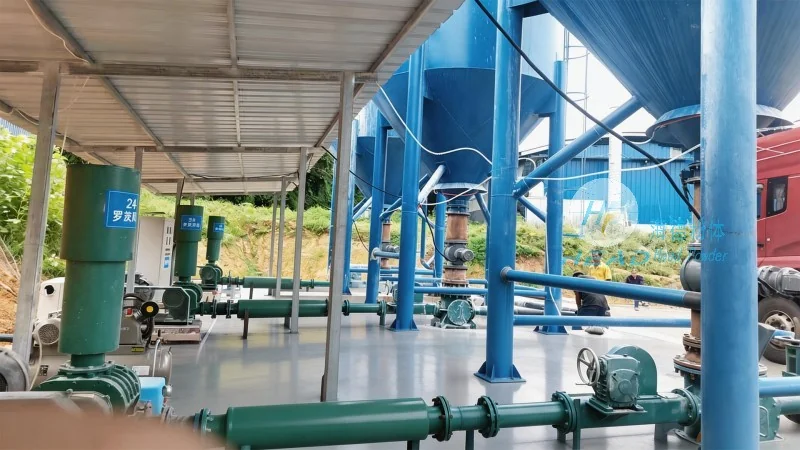
Mechanical conveying systems represent a significant advancement in graphite electrode transportation, offering greater efficiency and reduced labor requirements. These systems utilize machinery such as belt conveyors, screw conveyors, and roller conveyors to move electrodes. Belt conveyors are commonly used for horizontal or slight incline transport, providing a continuous and smooth movement of electrodes. Screw conveyors are effective for vertical or inclined transport, especially when dealing with bulk materials or when space constraints require vertical movement. Roller conveyors, on the other hand, are ideal for supporting and moving heavy electrodes over short distances. Mechanical systems reduce the physical burden on workers, minimize the risk of accidents, and improve overall operational consistency. However, they require regular maintenance to ensure optimal performance and may have limitations in handling very large or irregularly shaped electrodes. The choice of mechanical system depends on factors such as electrode size, weight, and the layout of the facility.
3. Automated Conveying Systems
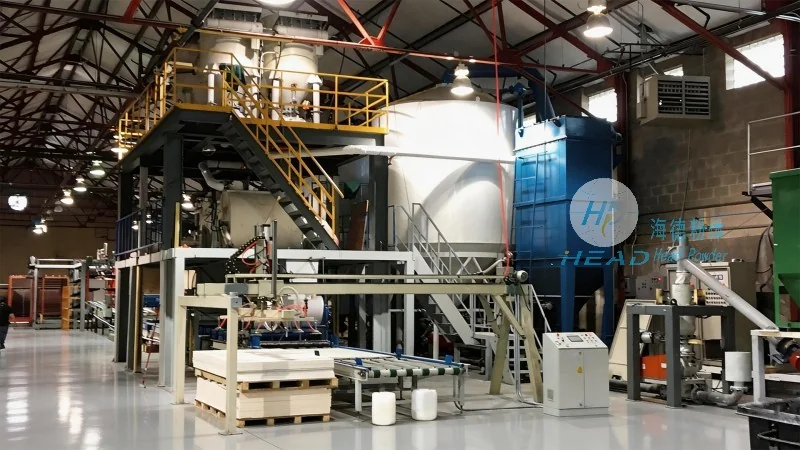
Automated conveying systems represent the most advanced and efficient method for graphite electrode transportation. These systems integrate robotics, sensors, and control technologies to automate the entire process from storage to furnace loading. Automated systems typically include robotic arms or automated guided vehicles (AGVs) that can handle, position, and transport electrodes with high precision and speed. The use of sensors ensures that electrodes are aligned correctly and that the system operates safely, minimizing the risk of collisions or misplacement. Automated conveying reduces labor costs, improves throughput, and enhances safety by eliminating manual handling of heavy or hazardous materials. However, the initial investment for automated systems is higher compared to manual or mechanical alternatives. Additionally, the complexity of these systems may require specialized maintenance and technical support. Despite the higher upfront cost, automated conveying is increasingly adopted in modern steelmaking facilities due to its long-term benefits in terms of efficiency and operational reliability.
4. Comparison of Conveying Methods
When evaluating graphite electrode conveying methods, several factors must be considered, including cost, efficiency, safety, and scalability. Manual conveying is the most economical option for low-volume operations but is limited by labor availability and safety concerns. Mechanical systems offer a balance between cost and efficiency, suitable for medium-sized facilities and moderate production volumes. Automated systems provide the highest level of efficiency and safety but require a significant initial investment, making them ideal for large-scale industrial operations. The selection of a conveying method should be based on the specific requirements of the facility, including the size and weight of the electrodes, production capacity, and available budget. For instance, a small steel mill may opt for manual or mechanical conveying, while a large integrated steel plant may benefit from automated systems to meet high production demands and maintain operational safety.