

Comparison of Common Barite Powder Conveying Methods: Advantages and Disadvantages
Barite powder, a crucial industrial mineral widely used in oil drilling, medical imaging, and other applications, requires efficient and reliable conveying methods to ensure smooth production processes. The choice of conveying system significantly impacts operational efficiency, cost, and safety. This article provides a detailed comparison of common barite powder conveying methods, highlighting their advantages and disadvantages, to help industrial operators make informed decisions.
Overview of Barite Powder Conveying Methods
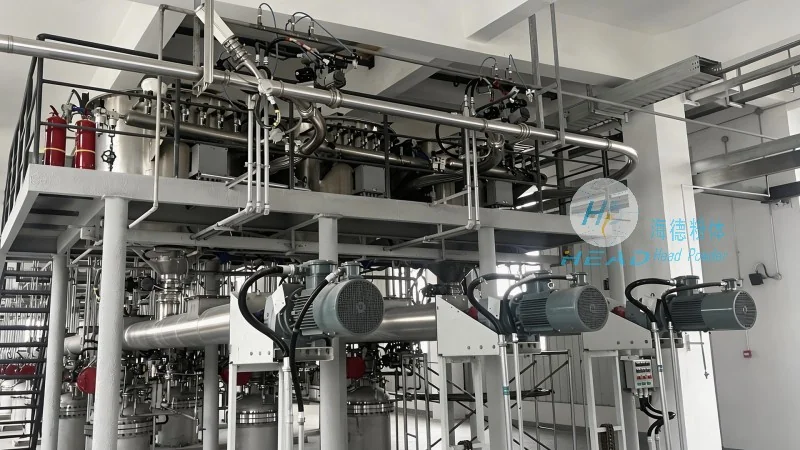
Barite powder, with its fine particle size and high density, presents unique challenges in material handling. Conveying systems must be designed to handle these characteristics effectively. The primary methods used for barite powder transport include pneumatic conveying, screw conveyors, belt conveyors, and bucket elevators. Each method has distinct characteristics that make it suitable for different applications and operational conditions.
Pneumatic Conveying: Advantages and Disadvantages
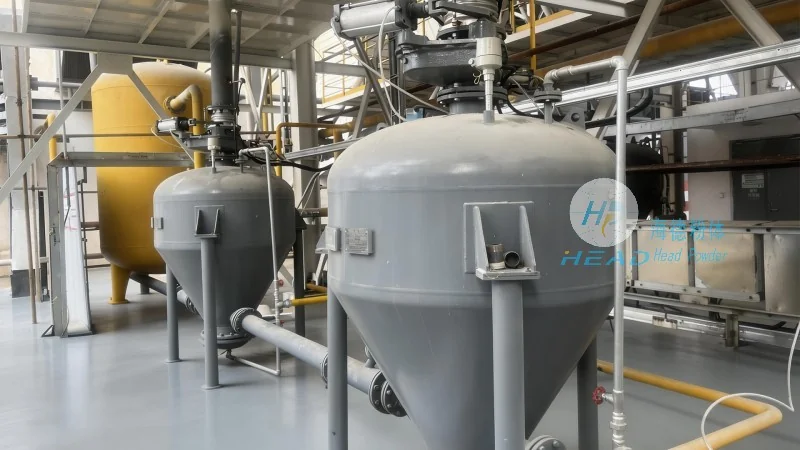
Pneumatic conveying uses air pressure to transport powders through a pipeline. It is particularly effective for long-distance and high-volume transport of fine powders like barite. One of the key advantages of pneumatic conveying is its ability to handle high dust concentrations, which is beneficial for barite powder due to its fine particle size. Additionally, this method allows for a completely enclosed system, reducing dust emissions and improving workplace safety. However, pneumatic conveying has several drawbacks. It requires significant energy input to generate the necessary air pressure, leading to higher operational costs. Moreover, the system is susceptible to blockages if the powder is too fine or has high moisture content, which can cause operational disruptions. The initial investment for a pneumatic conveying system is also higher compared to other methods, making it less suitable for small-scale operations.
Screw Conveyors: Advantages and Disadvantages
Screw conveyors, also known as auger conveyors, use a rotating screw to move powders along a trough. This method is ideal for horizontal or slight incline transport of barite powder. A major advantage of screw conveyors is their simplicity and low maintenance requirements. They are relatively inexpensive to install and operate, making them a cost-effective solution for moderate conveying distances. Screw conveyors also provide a fully enclosed design, which helps in controlling dust and maintaining a clean environment. However, their limitations are notable. They are not suitable for long-distance transport due to the high friction and wear on the screw and trough. The system can also be prone to clogging if the barite powder contains lumps or has high moisture levels. Additionally, the screw conveyor's capacity is limited by the speed and diameter of the screw, which may not meet the demands of high-volume production lines.
Belt Conveyors: Advantages and Disadvantages
Belt conveyors use a continuous belt to transport barite powder, typically in a horizontal or slightly inclined configuration. This method is widely used in bulk material handling due to its high capacity and ability to cover long distances. A significant advantage of belt conveyors is their high throughput, making them suitable for large-scale operations. They are also relatively simple to operate and maintain, with minimal downtime. Belt conveyors can handle a wide range of particle sizes and moisture content, making them versatile for different barite powder applications. However, belt conveyors have several disadvantages. They require a significant amount of space for installation, which may not be feasible in compact industrial settings. The system is also prone to belt slip or wear, especially when handling fine powders like barite. Additionally, the enclosed design is not as effective as pneumatic or screw conveyors in preventing dust leakage, which can affect workplace safety and environmental compliance.
Bucket Elevators: Advantages and Disadvantages
Bucket elevators use a vertical or inclined conveyor with buckets attached to a chain or belt to lift and transport barite powder. This method is primarily used for vertical or steep incline transport. A key advantage of bucket elevators is their ability to handle high vertical lifts with minimal friction, making them efficient for transporting barite powder from lower to higher levels. They are also suitable for handling powders with high moisture content or lumps, as the buckets can effectively lift and move the material without clogging. However, bucket elevators have notable drawbacks. They are limited in horizontal transport capacity and are not suitable for long horizontal distances. The system requires regular maintenance to ensure the buckets and chain are in good condition, as wear and tear can lead to operational issues. Additionally, the initial cost of a bucket elevator is higher compared to other methods, and the space required for installation can be a constraint in some industrial settings.
Choosing the Right Conveying Method for Barite Powder
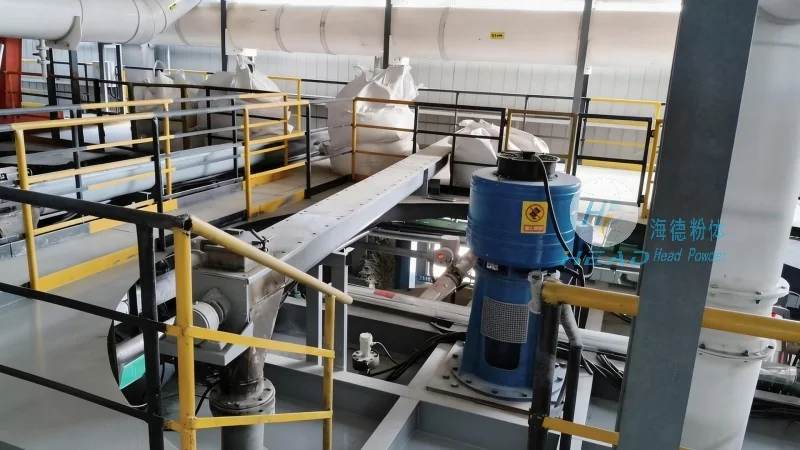
The selection of an appropriate barite powder conveying method depends on several factors, including the scale of operation, distance to be covered, particle size and moisture content of the powder, and budget constraints. For small-scale operations with short distances, screw conveyors or bucket elevators may be more cost-effective. For medium to large-scale operations requiring long-distance transport, pneumatic conveying or belt conveyors are often preferred. It is essential to consider the specific characteristics of the barite powder and the operational requirements to choose the most suitable conveying system. Additionally, integrating advanced technologies, such as dust control systems or automated monitoring, can enhance the efficiency and safety of the conveying process.
HeadPowder Engineering Co., Ltd.: Expertise in Barite Powder Conveying Solutions
Shandong HeadPowder Engineering Co., Ltd., a leading manufacturer in the field, specializes in providing customized barite powder conveying solutions tailored to the unique needs of industrial clients. With years of experience and a commitment to innovation, HeadPowder offers a range of high-quality conveying equipment, including pneumatic systems, screw conveyors, and belt conveyors, designed to meet the specific requirements of barite powder handling. The company's products are engineered to ensure efficient operation, minimal maintenance, and compliance with industry standards. HeadPowder's team of experts provides comprehensive support, from system design and installation to maintenance and troubleshooting, ensuring that clients achieve optimal performance and reliability in their barite powder conveying processes. Based in Shandong, China, HeadPowder leverages its local expertise and resources to deliver superior products and services to clients worldwide.