

Technical Analysis of Silica Sand Pneumatic Conveying Systems: Comparison of Positive Pressure and N
Silica sand, a critical raw material in various industries such as foundries, glass manufacturing, and construction, requires efficient and reliable transportation methods to ensure smooth production processes. Pneumatic conveying systems have emerged as a preferred solution for handling silica sand due to their ability to transport materials in a dust-free environment, reduce labor costs, and enhance operational safety. This article provides a technical analysis of two primary pneumatic conveying modes—positive pressure and negative pressure systems—comparing their operational principles, advantages, and limitations. The discussion is presented by Shandong HeadPowder Engineering Co., Ltd., a leading provider of advanced material handling solutions in China.
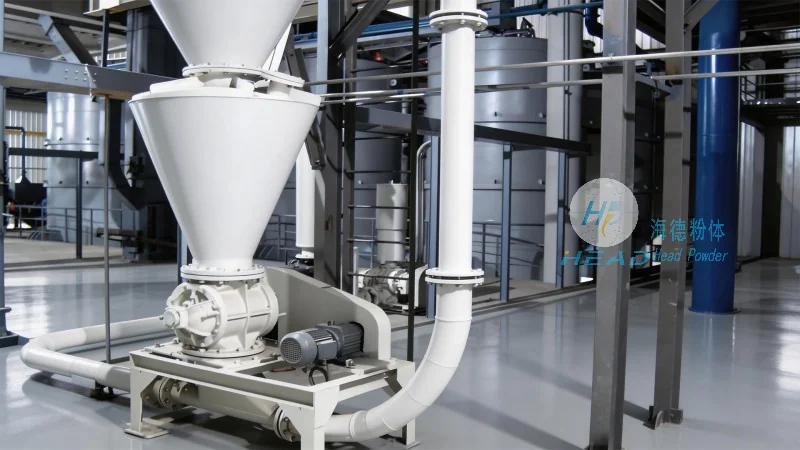
Understanding Pneumatic Conveying Modes
Pneumatic conveying systems utilize air flow to transport bulk materials like silica sand through a network of pipes. The two main modes are positive pressure and negative pressure, each with distinct characteristics that influence their suitability for different applications. Positive pressure systems operate by blowing air into the conveying line, while negative pressure systems create a vacuum to draw material into the system.
Positive Pressure Pneumatic Conveying System
Positive pressure systems, also known as pressure conveying, are characterized by their use of a positive pressure source to push material through the pipeline. In this mode, a blower or compressor generates high-pressure air that forces the silica sand particles to move along the conveying line. The system typically includes a hopper, a rotary valve, and a pipeline network, with the air pressure maintained above atmospheric levels to ensure continuous material flow.
Key advantages of positive pressure systems include high conveying capacity, ability to handle abrasive materials without significant wear, and suitability for long-distance transport. These systems are particularly effective for applications requiring high throughput, such as large-scale foundry operations where large volumes of silica sand need to be moved quickly and efficiently. Additionally, positive pressure systems are less prone to blockages compared to negative pressure systems, as the high air pressure helps maintain the flow of material.
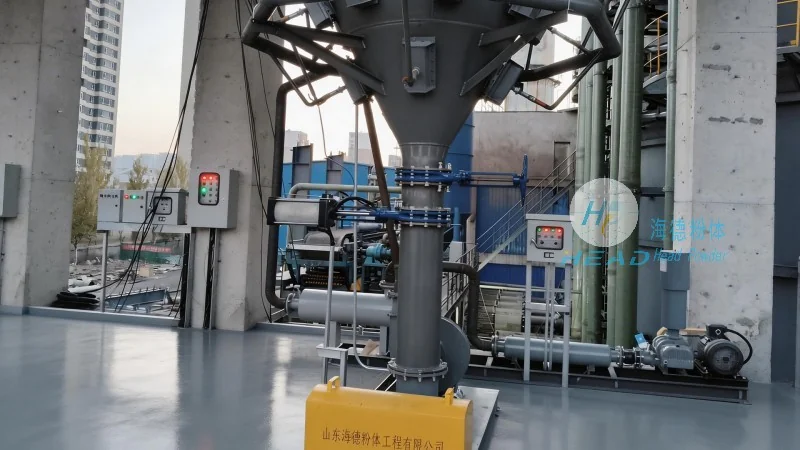
However, positive pressure systems have certain limitations. They require robust equipment to withstand high air pressures, which can increase initial investment costs. The high air pressure also leads to higher energy consumption, making them less energy-efficient compared to negative pressure systems. Furthermore, the system may generate more noise and vibration due to the high-pressure air flow, necessitating proper noise control measures in industrial settings.
Negative Pressure Pneumatic Conveying System
Negative pressure systems, or vacuum conveying, operate by creating a vacuum in the conveying line to draw silica sand from the source into the system. A vacuum pump generates low-pressure air that pulls the material through the pipeline, with the material typically collected in a hopper or container at the receiving end.
One of the primary advantages of negative pressure systems is their lower energy consumption compared to positive pressure systems. The vacuum pump operates at lower pressures, resulting in reduced energy costs and a smaller environmental footprint. This makes negative pressure systems more suitable for applications where energy efficiency is a critical factor, such as in smaller-scale or environmentally conscious operations.
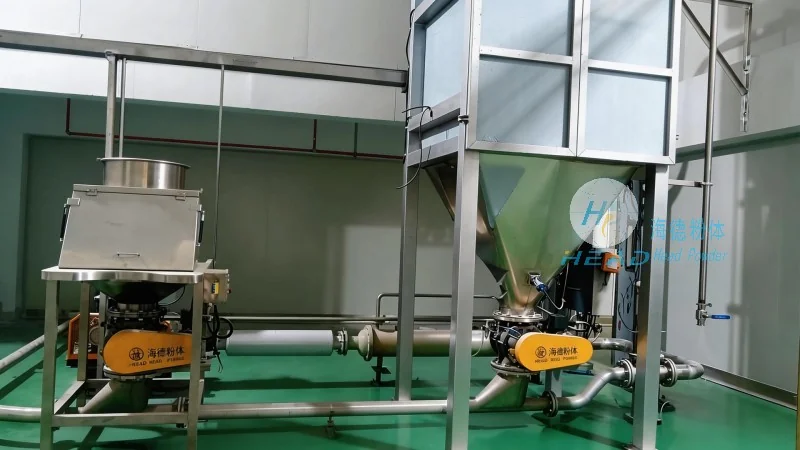
Another advantage is the ability to handle fine or dusty materials without generating excessive dust emissions. The vacuum system effectively captures and contains particles, reducing the risk of dust contamination in the workplace. This is particularly beneficial for silica sand, which can be a source of respiratory hazards if not properly contained.
Despite these advantages, negative pressure systems have notable limitations. They are generally less effective for long-distance or high-capacity transport, as the vacuum pressure decreases with distance, potentially leading to reduced conveying efficiency. The system is also more susceptible to blockages, especially with abrasive or sticky materials, which can cause operational disruptions. Additionally, the vacuum pump and associated equipment may require more frequent maintenance due to the continuous operation under low-pressure conditions.
Comparison and Selection Criteria
When selecting between positive pressure and negative pressure pneumatic conveying systems for silica sand applications, several factors must be considered. The choice depends on the specific requirements of the operation, including material characteristics, conveying distance, throughput capacity, and energy efficiency goals.
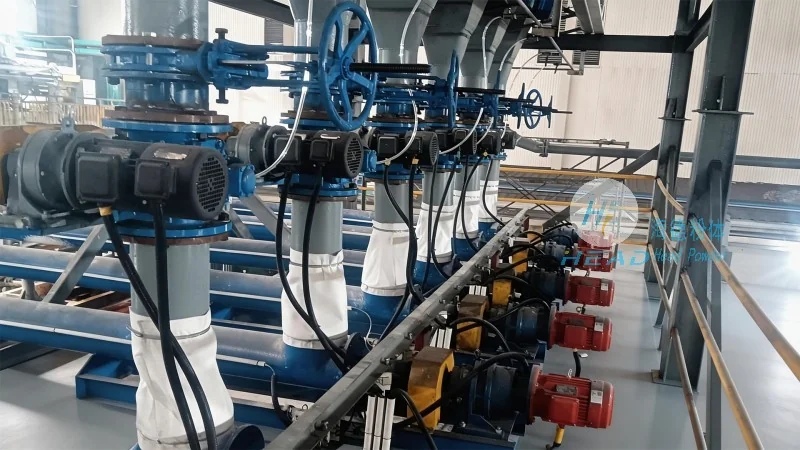
For high-volume, long-distance transport in large industrial settings, positive pressure systems are often preferred due to their superior conveying capacity and resistance to blockages. These systems are well-suited for foundries and glass manufacturing plants where large quantities of silica sand need to be moved quickly and reliably. In contrast, negative pressure systems are more suitable for applications requiring lower energy consumption, handling fine materials, or operating in smaller-scale environments where long-distance transport is not a concern.
Material characteristics also play a significant role in system selection. Abrasive or sticky silica sand may benefit from the high air pressure of positive pressure systems, which helps prevent material buildup and wear on the pipeline. Conversely, fine or dusty silica sand may be better suited for negative pressure systems, as the vacuum helps contain particles and reduce dust emissions. Additionally, the cost of equipment and maintenance should be evaluated, as positive pressure systems may have higher initial costs but lower long-term maintenance needs compared to negative pressure systems.
Conclusion
Both positive pressure and negative pressure pneumatic conveying systems offer effective solutions for transporting silica sand, with each mode having distinct advantages and limitations. Positive pressure systems excel in high-capacity, long-distance transport with robust performance, while negative pressure systems provide energy efficiency and dust containment benefits. The selection of the appropriate system depends on the specific operational requirements and material characteristics of the application. Shandong HeadPowder Engineering Co., Ltd. specializes in designing and implementing customized pneumatic conveying solutions tailored to the unique needs of each client, ensuring optimal performance and efficiency in silica sand handling operations.