

[COLUMN]Coal Slag Particle Pneumatic Conveying Technology: In-Depth Analysis and Application of Nega
Coal slag, a byproduct of coal combustion, is widely utilized in construction and industrial applications. Efficient and reliable transportation of coal slag particles is crucial for optimizing production processes and preserving material integrity. Pneumatic conveying technology offers a solution to this challenge, with both negative pressure and positive pressure systems providing distinct advantages depending on the specific requirements of the application.
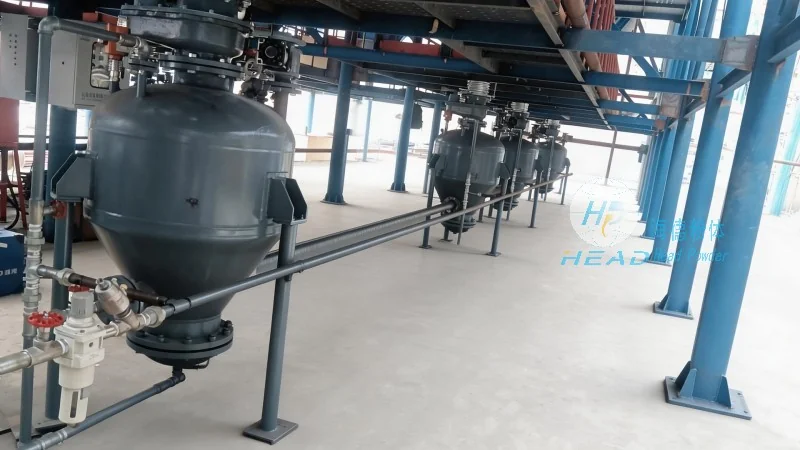
About HeadPowder: Your Trusted Partner in Pneumatic Conveying Solutions
Shandong HeadPowder Engineering Co., Ltd., headquartered in China, is a leading provider of advanced pneumatic conveying systems tailored for diverse industrial needs. With years of expertise in the field, HeadPowder specializes in designing, manufacturing, and implementing customized solutions for material handling, including the efficient transport of coal slag particles. The company's commitment to innovation and quality ensures that clients receive systems that are not only effective but also durable and cost-efficient.
Understanding Pneumatic Conveying for Coal Slag Particles
Pneumatic conveying involves the use of air or gas to transport solid particles through a pipeline. This method is particularly suitable for coal slag due to its abrasive nature and the need for gentle handling to prevent degradation. The two primary types of pneumatic conveying systems—negative pressure (or vacuum) and positive pressure—differ in their operational principles and applications.
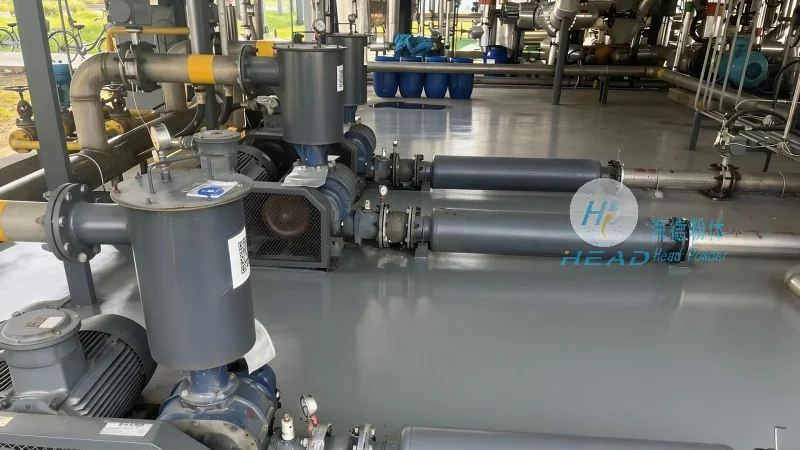
Negative Pressure Pneumatic Conveying for Coal Slag Particles
Negative pressure systems operate by creating a vacuum at the receiving end of the pipeline, drawing the coal slag particles into the system. This approach is ideal for applications where the material needs to be transported from multiple sources or over longer distances without the need for high pressure. The system typically includes a vacuum pump, a hopper, and a filter to ensure that the particles are conveyed efficiently while maintaining air quality. Negative pressure conveying is particularly effective for handling fine coal slag particles, as it minimizes particle breakage and ensures a consistent flow rate.
Positive Pressure Pneumatic Conveying for Coal Slag Particles
Positive pressure systems, on the other hand, use a blower or compressor to generate pressure at the discharge end of the pipeline, pushing the coal slag particles through the system. This method is well-suited for short to medium-distance transport and for applications where the material is less abrasive or where higher flow rates are required. Positive pressure conveying offers advantages such as faster start-up times and the ability to handle larger particle sizes without significant degradation. The system typically includes a blower, a hopper, and a discharge valve, ensuring that the coal slag is transported smoothly and reliably.

Key Considerations for Choosing the Right Pneumatic Conveying System
The choice between negative and positive pressure pneumatic conveying for coal slag particles depends on several factors, including the distance of transport, the particle size and density, the required flow rate, and the environmental regulations. Negative pressure systems are generally more suitable for long-distance or multi-point collection, while positive pressure systems excel in short-distance or high-volume applications. Additionally, the system design must consider the abrasiveness of the coal slag, as this can impact the wear and tear on the pipeline and components. Proper filtration and maintenance are also critical to ensure the longevity of the system and to maintain air quality standards.
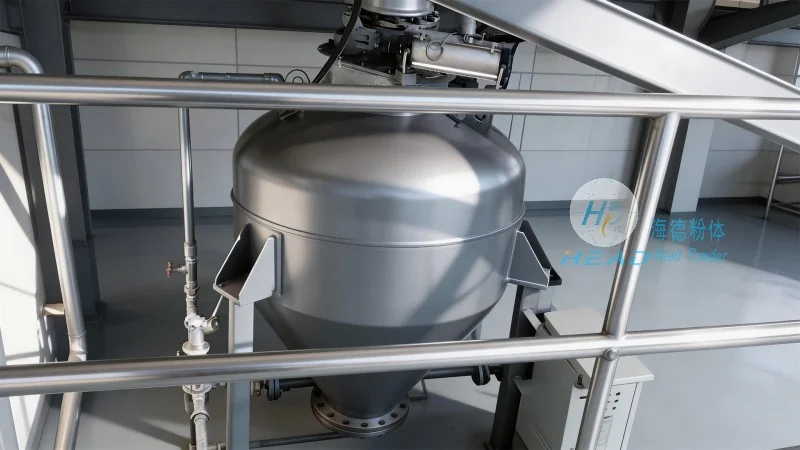
Application Examples and Benefits
HeadPowder's pneumatic conveying systems for coal slag particles have been successfully implemented in various industrial settings. For example, in a coal-fired power plant, the system efficiently transports coal slag from the boiler to a storage facility, reducing manual handling and improving safety. In a construction materials plant, the system delivers coal slag to mixing equipment, ensuring consistent quality in the final product. The benefits of using pneumatic conveying for coal slag include reduced labor costs, improved material handling efficiency, and enhanced safety by minimizing the risk of dust exposure and particle inhalation. Additionally, the systems are designed to be energy-efficient, helping to lower operational costs and reduce the environmental impact of the process.
Conclusion: The Future of Coal Slag Particle Handling
As the demand for efficient and sustainable material handling solutions continues to grow, pneumatic conveying technology remains a key player in the industry. HeadPowder's expertise in both negative and positive pressure systems ensures that clients can select the most appropriate solution for their coal slag handling needs. By leveraging advanced engineering and tailored design, HeadPowder provides systems that not only meet current requirements but also adapt to future technological advancements. For businesses looking to optimize their coal slag transport processes, partnering with HeadPowder offers a reliable and effective path to improved efficiency and productivity.