

Granular Soap Particle Positive Pressure and Negative Pressure Conveying: A Comparative Analysis of
When it comes to transporting granular soap particles, industrial operations often rely on pneumatic conveying systems. These systems utilize air or gas to move materials through a pipeline, offering advantages such as reduced contamination, increased efficiency, and the ability to handle materials in a closed environment. Among the various pneumatic conveying techniques, positive pressure and negative pressure systems are two of the most common approaches. Understanding the differences between these methods is crucial for selecting the most suitable solution for specific applications. This article provides a detailed comparison of positive pressure and negative pressure conveying for granular soap particles, highlighting their operational principles, advantages, and potential applications.
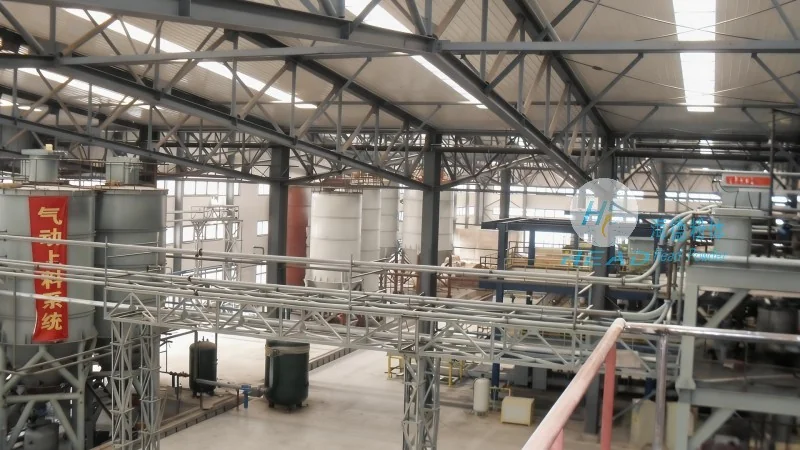
Positive Pressure Conveying: The Advantages and Mechanisms
Positive pressure conveying, also known as pressure conveying, operates by generating a higher pressure in the conveying line compared to the ambient environment. This is typically achieved using a positive displacement blower or a centrifugal fan that forces air or gas through the pipeline, carrying the granular soap particles along with it. The system works by creating a pressure differential that propels the material forward. One of the key advantages of positive pressure systems is their ability to handle long distances and high material loads efficiently. They are particularly effective for applications where the material needs to be transported over significant distances or through complex piping networks. Additionally, positive pressure systems are well-suited for materials that are prone to dusting or caking, as the pressurized air helps maintain the integrity of the particles during transport. The equipment used in positive pressure conveying includes a blower, a hopper for material loading, a filter to remove dust from the exhaust air, and a discharge valve at the receiving end. The entire system operates under positive pressure, ensuring that no external air enters the pipeline, which helps prevent contamination and maintain product quality.
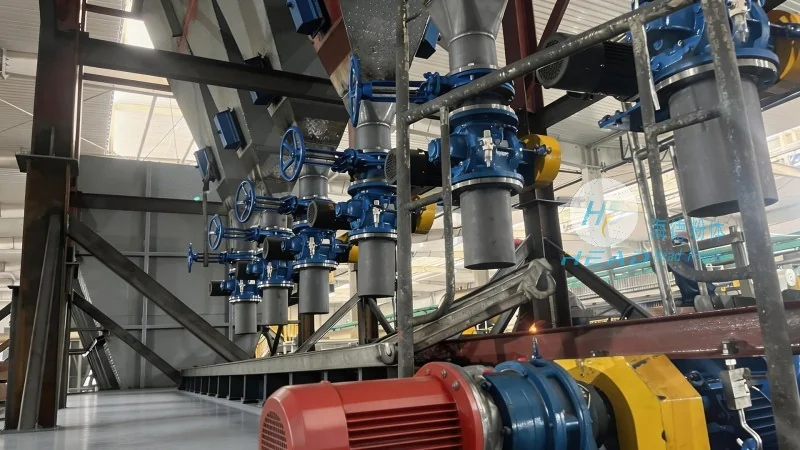
Negative Pressure Conveying: How It Works and Its Benefits
Negative pressure conveying, or vacuum conveying, operates by creating a lower pressure inside the conveying line compared to the ambient air. This is achieved using a vacuum pump that draws air and the granular soap particles from the material source into the pipeline. The system works by creating a suction effect that pulls the material from the hopper into the pipeline and towards the receiving container. Negative pressure systems are often preferred for applications that require the transport of materials from multiple sources or where the material is sensitive to pressure changes. One of the main benefits of negative pressure conveying is its ability to handle fine or dusty materials without the risk of particle degradation. The vacuum environment helps maintain the particle size and shape, which is critical for materials like soap granules that may be prone to breaking or caking. Additionally, negative pressure systems are generally quieter and more energy-efficient for short to medium-distance transport compared to positive pressure systems. The equipment typically includes a vacuum pump, a hopper with a loading port, a filter to capture dust from the intake air, and a discharge valve at the receiving end. The system operates under negative pressure, ensuring that external air does not enter the pipeline, which helps prevent contamination and maintain product integrity.
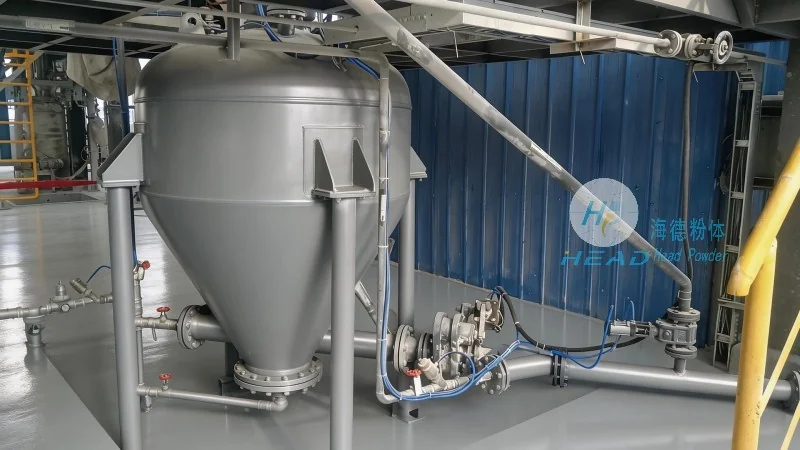
Comparative Analysis: Key Differences and Selection Criteria
When comparing positive pressure and negative pressure conveying for granular soap particles, several factors come into play. The choice between the two systems depends on the specific requirements of the application, including the distance of transport, the material characteristics, and the operational environment. Positive pressure systems are generally more suitable for long-distance transport and high material throughput, as they can maintain higher pressure and flow rates. They are also better equipped to handle abrasive or sticky materials that may cause wear or blockages in the pipeline. On the other hand, negative pressure systems are ideal for short to medium-distance transport and for materials that are sensitive to pressure changes or require a cleaner environment. They are often preferred in applications where the material is fine or dusty, as the vacuum environment helps prevent particle loss and contamination. Another important consideration is the energy consumption. Positive pressure systems typically consume more energy due to the higher pressure required to move the material, while negative pressure systems are more energy-efficient for shorter distances. The cost of equipment is also a factor, with positive pressure systems generally requiring more robust components like high-pressure blowers, whereas negative pressure systems may use more compact vacuum pumps. In terms of maintenance, both systems require regular cleaning of filters and inspection of components, but positive pressure systems may experience more wear due to the higher pressure and abrasive materials.
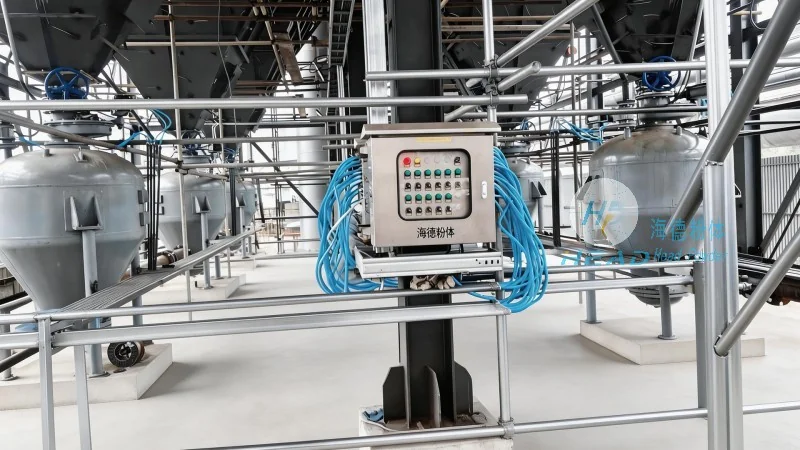
Application Examples in Soap Particle Handling
Both positive and negative pressure conveying systems are widely used in the soap and detergent industry for handling granular soap particles. For example, in a soap manufacturing plant, positive pressure conveying may be used to transport soap granules from the drying and cooling section to the packaging line over a long distance. The high pressure and flow rate of the system ensure that the material is delivered efficiently without any blockages. Conversely, negative pressure conveying may be used in a laboratory or a small-scale production setting where the soap granules need to be transported from a hopper to a mixing tank over a short distance. The vacuum system provides a clean and controlled environment, preventing dust and contamination during the transfer process. In both cases, the choice of system depends on the specific operational needs and the characteristics of the soap granules being handled. For instance, if the soap granules are prone to caking and need to be moved over a long distance, a positive pressure system would be more appropriate. If the material is fine and requires a clean transfer, a negative pressure system may be preferred.