

[Biomass Powder Pneumatic Conveying Technology: In-Depth Analysis of Vacuum and Positive Pressure Co
HeadPowder, a leading engineering firm based in Shandong, China, specializes in advanced pneumatic conveying solutions for biomass powder handling. This article provides a comprehensive overview of vacuum and positive pressure pneumatic conveying technologies, exploring their operational principles, key applications, and practical advantages in the biomass industry.
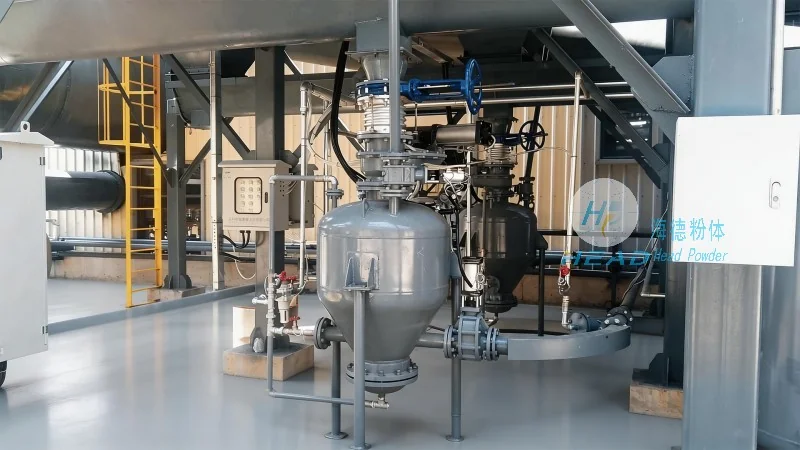
Understanding Pneumatic Conveying for Biomass Powders
Pneumatic conveying is a critical method for transporting biomass powders, which are often characterized by low bulk density and high moisture content. The choice between vacuum and positive pressure systems depends on factors such as material properties, distance, and system complexity. Both methods leverage air to move particles, but they differ in how they generate the conveying force.
Vacuum Pneumatic Conveying Systems
Vacuum systems operate by creating a low-pressure environment at the receiving end, drawing material from the source. This approach is ideal for applications requiring material to be transported over short to medium distances, typically up to several hundred meters. The system consists of a vacuum pump, a conveying line, and a hopper or collection vessel. As material is drawn into the line, it mixes with air, forming a slurry that is then transported to the destination. The vacuum pump maintains the pressure differential, ensuring continuous flow. This method is particularly effective for handling fine powders and can be integrated with dust collection systems to enhance environmental compliance.
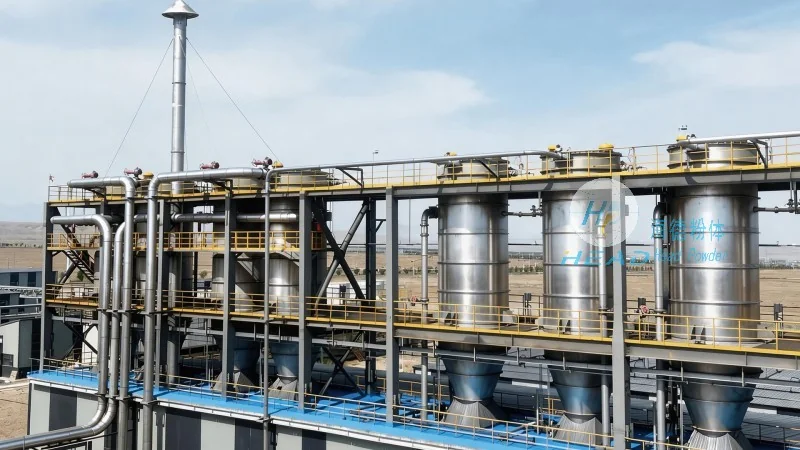
Positive Pressure Pneumatic Conveying Systems
Positive pressure systems, conversely, generate high-pressure air at the source, pushing material through the conveying line. These systems are suitable for longer distances, often exceeding 500 meters, and can handle a wider range of material types, including coarse and abrasive powders. The positive pressure approach reduces the risk of material degradation and is more efficient for high-volume transport. The system includes a blower, a hopper, and a discharge unit. Air is compressed and forced through the line, carrying the biomass powder to the destination. This method is commonly used in industrial settings where consistent flow and high throughput are essential.
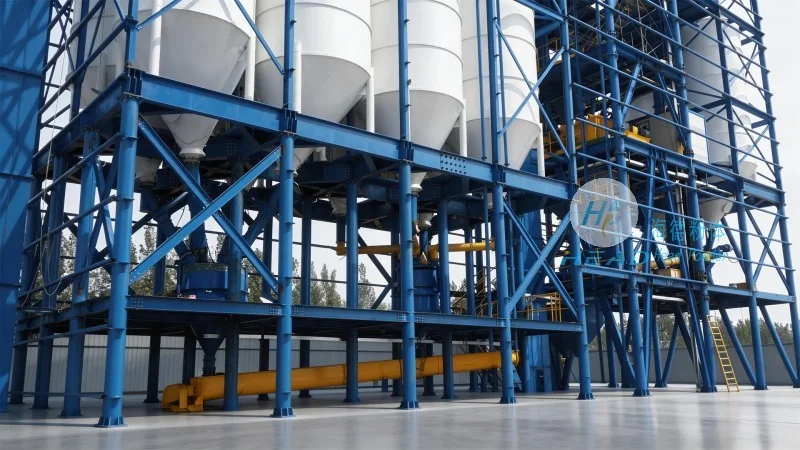
Key Considerations for Biomass Powder Conveying
When selecting a pneumatic conveying system for biomass powders, several factors must be considered. Material characteristics, such as particle size, moisture content, and flowability, directly impact system design. The distance between the source and destination is another critical factor, as it determines whether a vacuum or positive pressure system is more appropriate. Additionally, the need for dust control and environmental regulations may influence the choice of equipment. HeadPowder engineers tailor solutions to meet specific operational requirements, ensuring optimal performance and reliability.
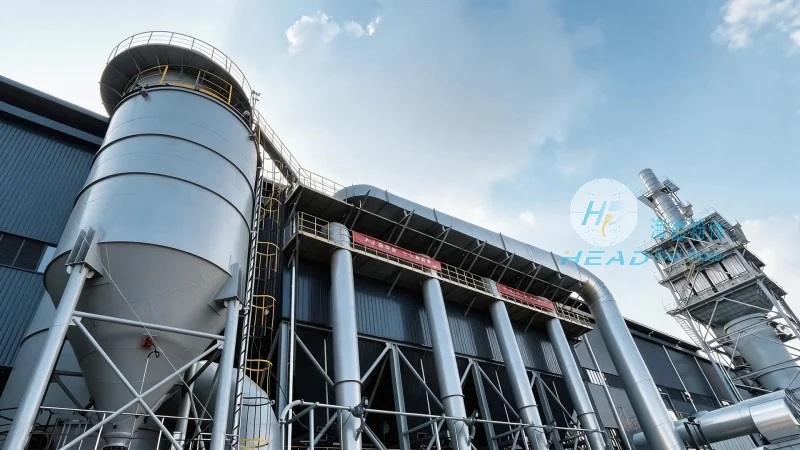
Applications in the Biomass Industry
Biomass powder pneumatic conveying is widely used in various sectors, including bioenergy production, agricultural processing, and waste management. In bioenergy facilities, these systems transport raw materials like wood chips, sawdust, and agricultural residues to processing plants. The efficiency of vacuum and positive pressure systems enables consistent feed to biomass boilers and pelletizing machines, improving energy output and reducing downtime. In agricultural processing, the technology is employed to move grain, feed, and other organic materials, supporting sustainable farming practices. Waste management facilities utilize pneumatic conveying to transport biomass from collection sites to processing centers, enhancing recycling and reducing landfill use.
Advantages of HeadPowder's Pneumatic Conveying Solutions
HeadPowder Engineering Co., Ltd. offers customized pneumatic conveying systems that address the unique challenges of biomass powder handling. Our expertise in vacuum and positive pressure technologies allows us to design systems that maximize efficiency, minimize material loss, and ensure compliance with industry standards. By leveraging advanced engineering and materials, our solutions provide long-term reliability and low maintenance costs. The company’s commitment to innovation ensures that clients receive cutting-edge technology tailored to their specific needs, whether for small-scale operations or large industrial facilities.