

Silica Fume Powder Pneumatic Conveying Technology: In-Depth Analysis of Vacuum and Positive Pressure
HeadPowder, a leading engineering firm based in Shandong, China, specializes in advanced pneumatic conveying solutions for silica fume powder. This article provides a comprehensive exploration of the core technologies, including vacuum and positive pressure systems, that enable efficient and reliable material transport for this critical industrial application.
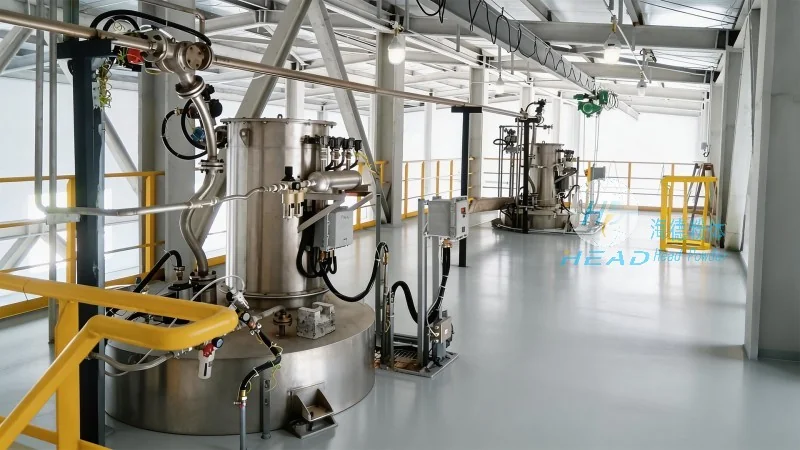
Understanding Pneumatic Conveying for Silica Fume
Silica fume, also known as microsilica, is a byproduct of silicon metal production, widely used as a supplementary cementitious material in concrete and other construction applications. The efficient handling and transportation of silica fume powder is essential for maintaining product quality and operational efficiency in industrial processes. Pneumatic conveying offers a non-contact, low-damage method to transport these fine powders, making it a preferred choice for many manufacturers.
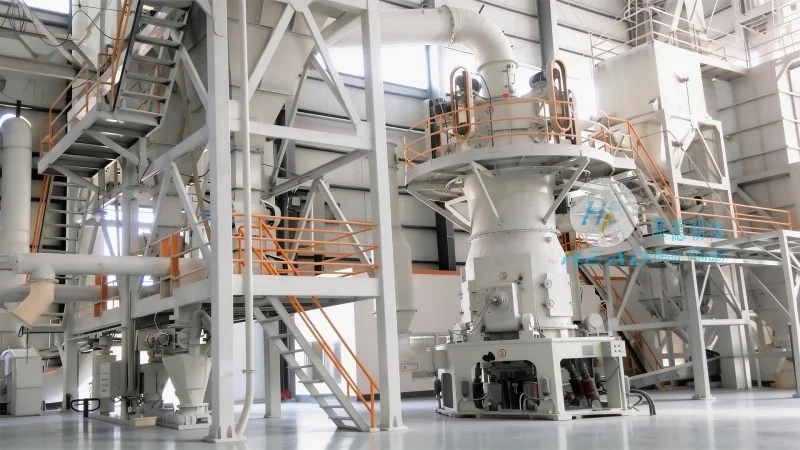
Vacuum Pneumatic Conveying Systems
Vacuum pneumatic conveying systems utilize a vacuum to draw material from a source to a destination. This method is particularly effective for transporting silica fume from storage silos or bulk containers to processing equipment. The system operates by creating a pressure differential, where the material is drawn into a pipeline under reduced pressure. Key components include vacuum pumps, cyclone separators, and material feeders. The vacuum system is ideal for applications requiring gentle handling of fine powders, minimizing particle degradation and ensuring consistent flow rates. HeadPowder’s expertise in vacuum conveying technology ensures optimal design for silica fume, considering factors such as particle size, moisture content, and material density to maximize system efficiency and reliability.
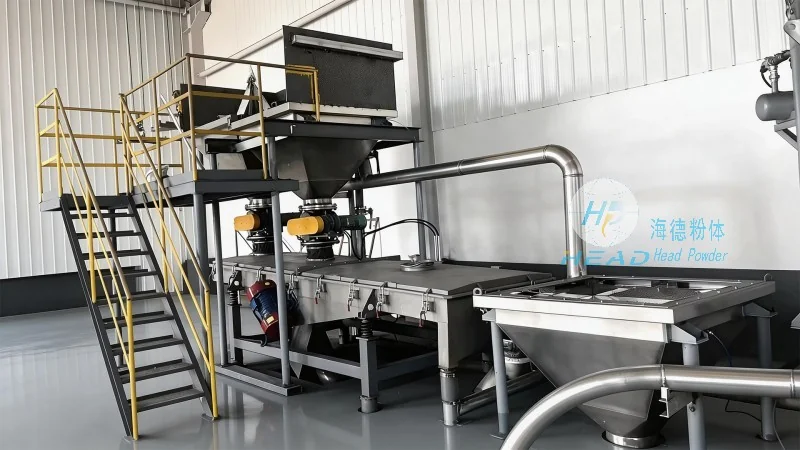
Positive Pressure Pneumatic Conveying Systems
Positive pressure systems, on the other hand, use compressed air to push material through a pipeline. This approach is suitable for longer conveying distances and more complex system layouts. The material is introduced into the pipeline under positive pressure, allowing for controlled flow and reduced risk of clogging. Positive pressure systems often incorporate features like rotary airlocks and pulse jet filters to maintain system cleanliness and prevent material buildup. For silica fume, positive pressure conveying can handle higher flow rates and accommodate larger quantities of material, making it a viable option for high-volume production environments. HeadPowder engineers design positive pressure systems with attention to pressure drop, energy consumption, and material compatibility to ensure long-term performance and minimal maintenance.
Comparative Analysis and Application Considerations
When selecting between vacuum and positive pressure pneumatic conveying for silica fume, several factors must be evaluated. The distance between the source and destination, the volume of material to be transported, and the required flow rate are primary considerations. Vacuum systems excel in short to medium distances and for gentle handling of fine powders, while positive pressure systems are better suited for longer distances and higher throughput. Additionally, the system’s energy consumption and operational costs play a role in the decision-making process. HeadPowder provides customized solutions that balance these factors, ensuring the most efficient and cost-effective approach for each client’s specific needs. Whether a vacuum or positive pressure system is chosen, the goal is to maintain the integrity of the silica fume powder, prevent contamination, and achieve consistent delivery to the processing line.
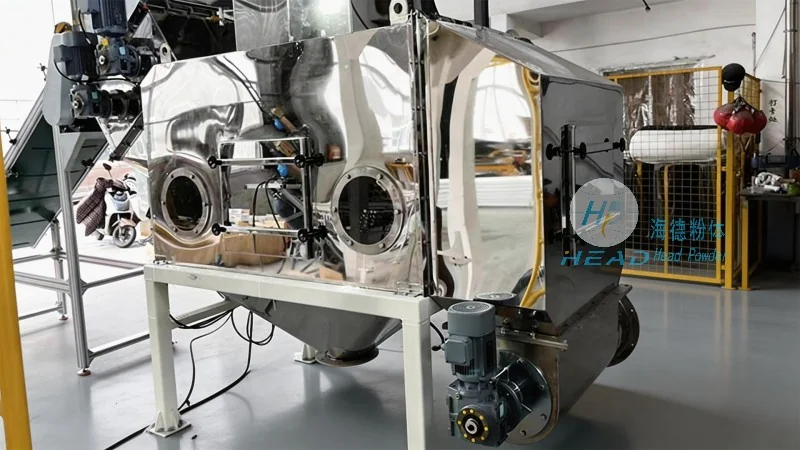
Key Benefits of Advanced Pneumatic Conveying for Silica Fume
Implementing advanced pneumatic conveying technology for silica fume offers numerous advantages. These include reduced labor costs by automating material handling, improved product quality through gentle handling and minimal exposure to air, and enhanced safety by eliminating manual handling of fine powders. The systems also contribute to environmental benefits by reducing dust emissions and improving overall operational efficiency. HeadPowder’s commitment to innovation and customer-centric design ensures that clients receive tailored solutions that address their unique challenges and optimize their silica fume handling processes.