

Main Airslide Structures for Lithium Fluoride Pneumatic Conveying Systems
When it comes to the efficient and reliable handling of lithium fluoride, the choice of airslide structure plays a crucial role in ensuring smooth material transport. As a leading manufacturer in the field, Shandong HeadPowder Engineering Co., Ltd. specializes in providing advanced airslide solutions tailored to the unique requirements of lithium fluoride processing. This article explores the main airslide structures used in lithium fluoride pneumatic conveying, highlighting their design features, operational advantages, and practical applications.
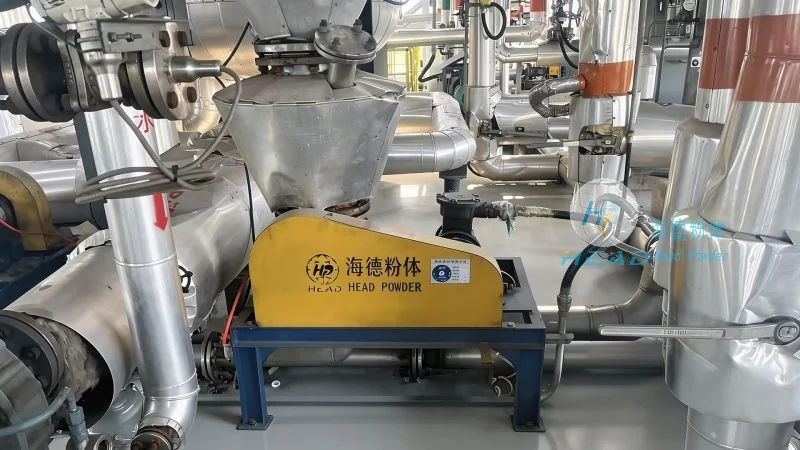
Understanding Airslide Technology in Lithium Fluoride Handling
Lithium fluoride, a critical raw material in various industrial applications, demands specialized handling equipment to maintain its purity and prevent degradation. Airslide systems, also known as pneumatic conveyor airslides, utilize a combination of air flow and material friction to move bulk materials like lithium fluoride through a conveying line. The core of an airslide structure is the conveyor belt, which is typically made from materials such as polyurethane or rubber, designed to withstand the abrasive nature of lithium fluoride particles while providing low friction for efficient transport.
Key Airslide Structures for Lithium Fluoride Pneumatic Conveying
Several airslide structures are commonly employed in lithium fluoride handling, each with distinct characteristics suited to different operational scenarios. The most prevalent types include the standard straight airslide, the curved or inclined airslide, and the multi-stage airslide system. Each structure is engineered to optimize material flow, minimize pressure drop, and ensure consistent conveying performance.
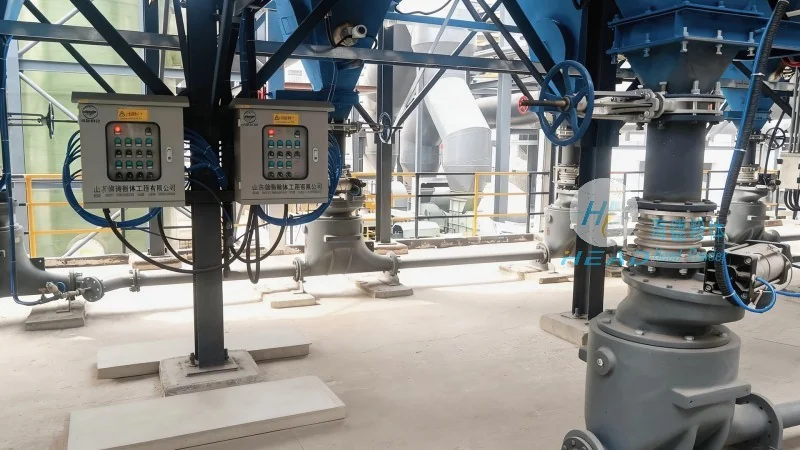
The Standard Straight Airslide Structure
The standard straight airslide is the most basic and widely used configuration for lithium fluoride pneumatic conveying. It consists of a straight conveyor belt supported by a series of rollers or idlers, with a uniform air flow distribution along the entire length of the belt. This structure is ideal for horizontal or slightly inclined conveying applications where the material is to be transported over short to medium distances. The straight airslide provides a stable and predictable flow, making it suitable for processes that require consistent material delivery to downstream equipment.
Curved or Inclined Airslide Structures
For applications requiring changes in direction or elevation, curved or inclined airslides are utilized. These structures feature a curved or sloped conveyor belt that allows the material to be conveyed at an angle or around bends. The design of the curve is critical to maintain material flow and prevent blockages, as lithium fluoride particles can be prone to sticking or bridging under certain conditions. The inclined airslide is particularly useful for vertical or near-vertical conveying, where the material is lifted or moved upward with minimal energy input. This configuration is often used in processes where the material needs to be elevated to a higher level or transferred between different process stages.
Multi-Stage Airslide Systems
Multi-stage airslide systems are more complex and are employed in scenarios where long-distance or high-capacity conveying is required. These systems consist of multiple straight or curved airslide sections connected in series, with intermediate airlocks or feeders to control material flow between stages. The multi-stage design allows for gradual acceleration of the material, reducing the pressure drop across the entire conveying line and improving overall efficiency. For lithium fluoride, which can be sensitive to high velocities or pressure changes, the multi-stage airslide provides a gentler conveying process, minimizing the risk of material degradation or loss of purity.
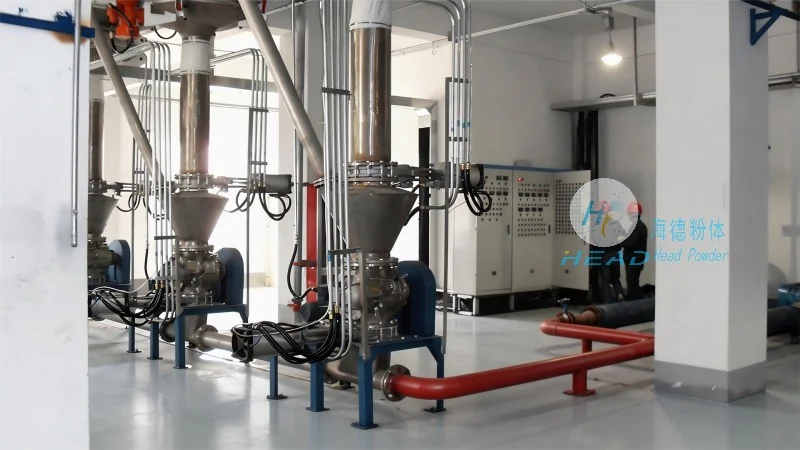
Design Considerations for Lithium Fluoride Airslide Structures
When designing airslide structures for lithium fluoride, several factors must be carefully considered to ensure optimal performance and longevity. Material selection is paramount, as the conveyor belt must be resistant to chemical corrosion from lithium fluoride and abrasive wear from its particles. The belt's surface texture and friction coefficient are also critical, as they directly impact the material's ability to slide along the belt without sticking or bridging. Additionally, the air distribution system must be precisely engineered to maintain consistent air flow, preventing localized pressure variations that could lead to material buildup or uneven conveying.
Operational Advantages of Airslide Structures for Lithium Fluoride
Implementing airslide structures in lithium fluoride handling offers several key advantages over traditional conveying methods. First, airslides provide a closed system that minimizes dust emissions and environmental contamination, which is essential for maintaining product purity and complying with industrial regulations. The enclosed design also reduces the risk of material loss and improves safety in the workplace. Second, airslides offer high conveying efficiency with low energy consumption, as the air flow is optimized to move the material with minimal pressure drop. This results in cost savings over time, particularly for large-scale lithium fluoride processing operations. Third, the gentle handling of the material by airslides helps preserve its physical and chemical properties, ensuring that the lithium fluoride remains in optimal condition for downstream processing or storage.