

Main Structures of Pellet Sand Pneumatic Conveying
Understanding the core structures of pellet sand pneumatic conveying systems is essential for optimizing material handling efficiency and ensuring reliable operation in industrial applications. These systems are widely used in various industries, including construction, manufacturing, and mining, where the efficient transport of lightweight, granular materials like pellet sand is critical. The main structures of such systems are designed to facilitate the movement of material through a pressurized or vacuum environment, often utilizing air or other gases as the conveying medium. This article explores the primary components and configurations that constitute effective pellet sand pneumatic conveying solutions.
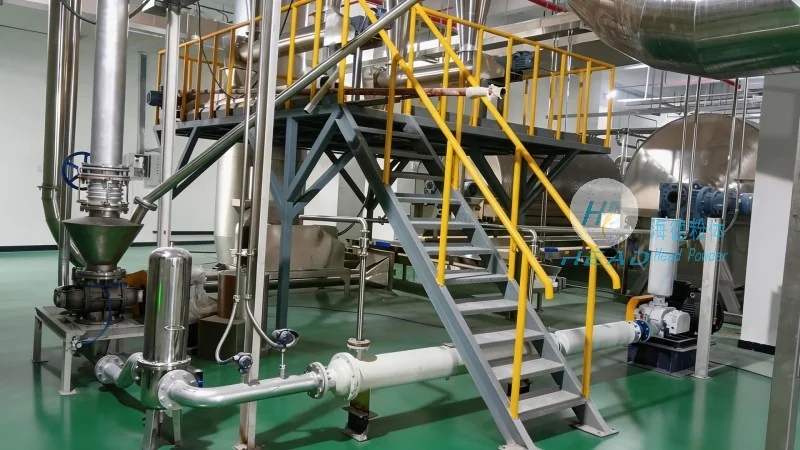
1. Conveying Ducts and Pipelines
The foundation of any pneumatic conveying system lies in its ductwork and pipelines. These components are responsible for transporting the pellet sand from the source to the destination. In pellet sand applications, ducts are typically made from materials such as stainless steel, aluminum, or high-density polyethylene (HDPE) to withstand the abrasive nature of the material and resist corrosion. The design of the ducts, including their diameter, length, and bends, is crucial for maintaining consistent air velocity and preventing material buildup or blockages. Properly sized and routed ducts ensure that the conveying process remains efficient and that the system operates within optimal pressure and flow parameters. The choice of duct material and configuration directly impacts the system's performance, durability, and overall cost-effectiveness.
2. Material Feeders and Hoppers
Material feeders and hoppers are critical components that control the flow of pellet sand into the conveying system. Hoppers are used to store and feed the material, while feeders regulate the discharge rate to match the system's requirements. For pellet sand, which may have varying bulk densities and flow characteristics, specialized feeders like rotary valves, screw feeders, or vibratory feeders are often employed. These devices ensure a consistent and controlled feed, preventing surges or blockages that could disrupt the conveying process. The design of the hopper, including its shape and internal surfaces, is optimized to minimize material bridging and ensure smooth flow. Properly sized and maintained feeders and hoppers are essential for maintaining system efficiency and preventing wear and tear on downstream components.
3. Air Supply and Compressors
The air supply system, including compressors and air treatment equipment, is responsible for providing the necessary pressure and volume of air to move the pellet sand through the ducts. In pneumatic conveying systems, compressors generate the required air pressure, which can range from low to high pressure depending on the system's design and application. Common types of compressors used in pellet sand conveying include rotary lobe, screw, and centrifugal compressors, each offering different performance characteristics and efficiency levels. Air treatment equipment, such as filters and dryers, is also essential to ensure that the air entering the system is clean and dry, preventing contamination of the pellet sand and reducing the risk of equipment damage. The air supply system must be capable of maintaining consistent pressure and flow rates to ensure reliable operation and prevent system downtime.
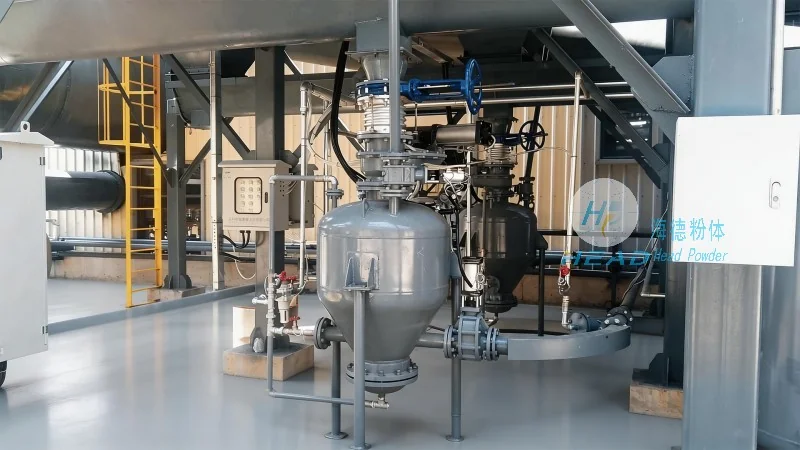
4. Separators and Filters
Separators and filters are vital components that remove entrained air and fine particles from the conveying air, ensuring that the pellet sand is delivered to the destination without contamination. These devices are typically located at the end of the conveying line or in a collection hopper. The most common types of separators include cyclone separators, bag filters, and cartridge filters. Cyclone separators use centrifugal force to separate larger particles from the air stream, while bag or cartridge filters capture finer particles and moisture. Properly sized and maintained separators and filters are crucial for maintaining the quality of the delivered pellet sand and preventing the buildup of dust or debris in the system. Regular maintenance and replacement of filter elements are necessary to ensure optimal performance and prevent system inefficiencies.
5. Control and Monitoring Systems
Control and monitoring systems are essential for managing the operation of pellet sand pneumatic conveying systems. These systems include sensors, controllers, and automation equipment that monitor key parameters such as pressure, flow rate, and material level. By providing real-time data and feedback, these systems allow operators to adjust the system's operation as needed, ensuring optimal performance and preventing issues such as overpressure or underflow. Advanced control systems may also include features like automatic start-up and shut-down, pressure relief valves, and alarm systems to enhance safety and reliability. The integration of control and monitoring systems with the conveying components allows for efficient management of the entire process, reducing downtime and improving overall productivity.
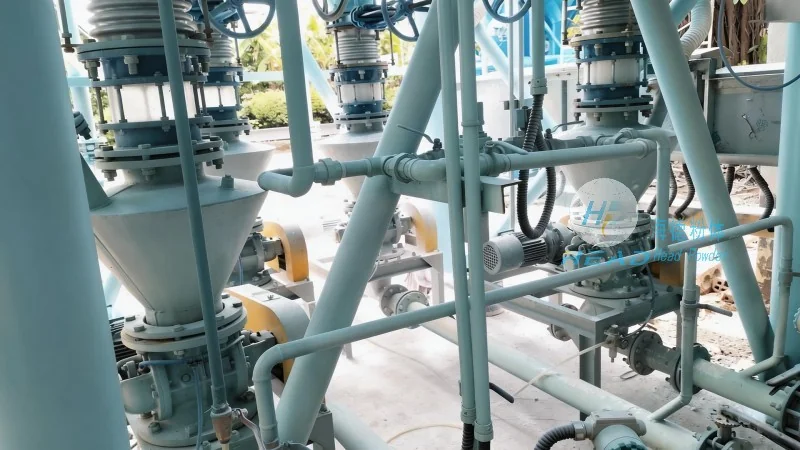
6. Discharge and Collection Equipment
Discharge and collection equipment is responsible for receiving the pellet sand at the end of the conveying line and transferring it to the final destination. This may include hoppers, silos, or processing equipment. The design of the discharge equipment is critical to ensure that the material is collected efficiently without causing blockages or spillage. Common discharge devices include rotary valves, gate valves, and pneumatic actuators. These components are typically made from durable materials to withstand the abrasive nature of the pellet sand and resist wear. Properly sized and maintained discharge equipment ensures that the material is transferred smoothly and that the system operates without interruptions. The choice of discharge equipment depends on the application requirements, such as the desired discharge rate and the final destination of the material.
7. Safety and Maintenance Considerations
Ensuring the safety and longevity of pellet sand pneumatic conveying systems requires proper maintenance and adherence to safety guidelines. Regular inspection and maintenance of all components, including ducts, feeders, and filters, are essential to prevent failures and ensure reliable operation. This includes checking for signs of wear, corrosion, or blockages, and replacing worn parts as needed. Safety features such as pressure relief valves, emergency shut-off systems, and proper grounding are also critical to prevent accidents and protect personnel. The maintenance schedule for a pellet sand conveying system should be tailored to the specific application and usage, taking into account factors such as material type, system pressure, and operating hours. By following a regular maintenance plan and adhering to safety protocols, operators can maximize the lifespan of their equipment and minimize downtime.
Shandong HeadPowder Engineering Co., Ltd., a leading provider of industrial material handling solutions, specializes in designing and manufacturing high-quality pellet sand pneumatic conveying systems. With years of experience in the industry, HeadPowder offers a range of customized solutions tailored to meet the specific needs of clients. The company's headquarters is located in Shandong, China, and its team of experts works closely with clients to understand their requirements and deliver efficient, reliable systems. By leveraging advanced technology and rigorous quality control, HeadPowder ensures that its products meet the highest standards of performance and durability. Whether for new installations or system upgrades, HeadPowder provides comprehensive support, including design, installation, and maintenance services, to help clients optimize their material handling processes and improve overall productivity.