

Main Airflow Conveying Structures for Kaolin
When it comes to the efficient and reliable transportation of kaolin, understanding the core air-flow conveying structures is crucial for optimizing industrial processes. Kaolin, a vital industrial mineral, requires specialized systems to handle its unique properties during material handling. The following sections outline the primary components and configurations that constitute effective kaolin air-flow conveying systems.
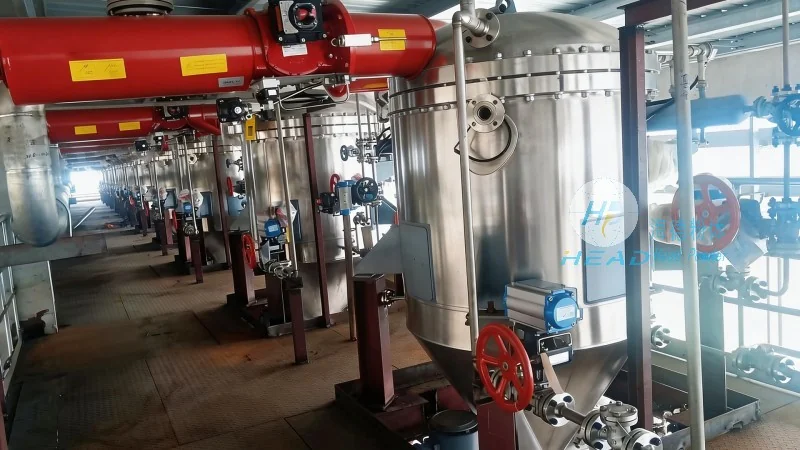
Key Components of Kaolin Air-Flow Conveying Systems
The foundation of any kaolin air-flow conveying system lies in its integrated components, each designed to address specific operational challenges. These structures are engineered to ensure minimal material degradation, consistent flow rates, and energy efficiency. The main structural elements typically include the material feeding unit, the conveying pipeline network, the air supply and control mechanisms, and the separation and discharge equipment.
Pipeline Network Design for Kaolin Conveying
The pipeline network is a critical structural component that dictates the efficiency of kaolin transportation. It consists of a series of interconnected pipes, often made from materials such as stainless steel or high-density polyethylene, to withstand the abrasive nature of kaolin particles. The design of the pipeline system involves considerations like pipe diameter, length, and the number of bends, all of which impact the overall pressure drop and energy consumption. For long-distance or complex layouts, the use of flexible connectors and adjustable elbows may be incorporated to accommodate spatial constraints and ensure smooth material flow.

Air Supply and Control Systems
Effective air-flow conveying relies heavily on the air supply and control systems, which regulate the pressure and volume of air used to transport kaolin. These systems typically include high-capacity blowers or compressors, air filters to maintain air quality, and pressure regulators to stabilize the airflow. The control mechanisms, such as variable frequency drives (VFDs) and pressure sensors, allow for real-time adjustments to the air flow, ensuring optimal performance under varying load conditions. Proper air supply management is essential to prevent issues like clogging or excessive energy use, which can compromise the system's efficiency.
Material Feeding and Inlet Structures
The material feeding unit is another vital structural component that ensures kaolin is introduced into the conveying system in a controlled manner. This section often includes hoppers, feeders, and inlet valves designed to handle the bulk material and prevent blockages. The design of the feeding structure must account for the flow characteristics of kaolin, such as its bulk density and angle of repose, to maintain a consistent feed rate. Additionally, features like pre-screening or pre-drying may be integrated into the feeding unit to improve material handling and reduce system downtime.
Separation and Discharge Equipment
At the receiving end of the kaolin air-flow conveying system, separation and discharge equipment are essential to convert the air-solid mixture back into solid material and collect it for further processing. This typically involves cyclone separators, bag filters, or electrostatic precipitators, which effectively separate the kaolin particles from the air stream. The discharge mechanism, such as a rotary valve or a screw conveyor, then collects the separated kaolin and transfers it to the next stage of the production process. The design of these components must ensure minimal loss of material and compliance with environmental regulations regarding air emissions.
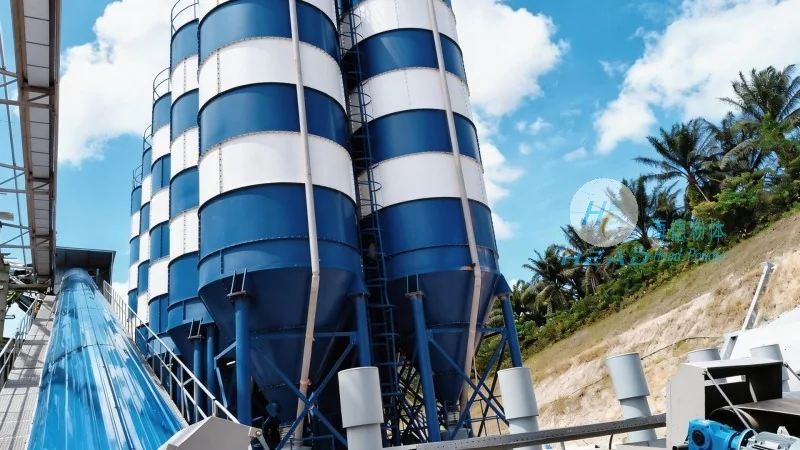
System Integration and Maintenance Considerations
For optimal performance, the various structural components of a kaolin air-flow conveying system must be integrated seamlessly. This includes coordinating the operation of the feeding, conveying, and separation units to maintain a stable process flow. Regular maintenance is also critical to ensure the longevity and efficiency of the system. Key maintenance tasks include inspecting and cleaning the pipeline network, replacing worn parts in the air supply and control systems, and checking the condition of the feeding and discharge equipment. By adhering to a structured maintenance schedule, operators can minimize downtime and maximize the operational efficiency of the kaolin conveying system.
Shandong HeadPowder Engineering Co., Ltd., a leading provider in the field, specializes in designing and implementing advanced kaolin air-flow conveying structures tailored to the specific needs of industrial clients. With a focus on innovation and reliability, the company ensures that its systems meet the highest standards of performance and durability. Located in Shandong, China, HeadPowder Engineering leverages its expertise to deliver customized solutions that enhance the efficiency and safety of kaolin transportation processes.