

Principles and Classification Applications of Pneumatic Conveying for Calcium Carbonate Powder
Calcium carbonate powder is a widely used industrial material, and its efficient handling is crucial for various production processes. Pneumatic conveying, a method that uses air to transport powder materials, has become a key technology in the handling of calcium carbonate powder. This article introduces the working principles of pneumatic conveying for calcium carbonate powder and its classification applications, providing a comprehensive overview for industry professionals.
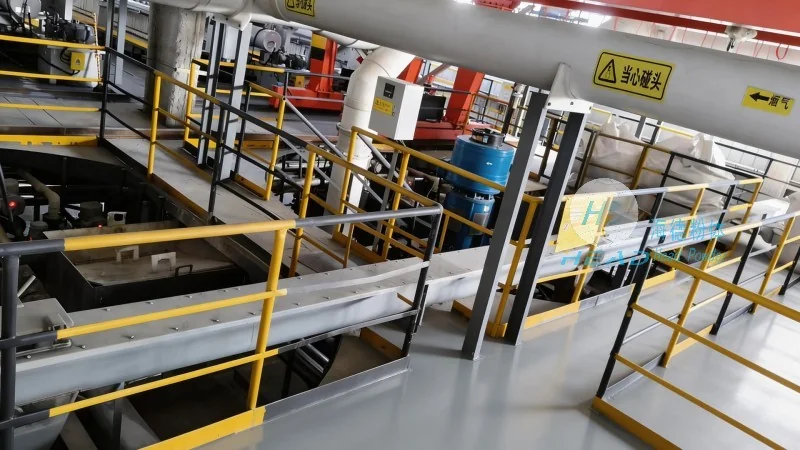
Company Introduction: Shandong HeadPowder Engineering Co., Ltd.
Shandong HeadPowder Engineering Co., Ltd., commonly known as HeadPowder, is a professional manufacturer and supplier specializing in pneumatic conveying systems and related equipment. With a focus on calcium carbonate powder handling solutions, the company has established itself as a trusted partner in the industry. HeadPowder's headquarters is located in Shandong, China, where the company leverages advanced technology and years of experience to deliver high-quality solutions tailored to the needs of clients across various sectors.
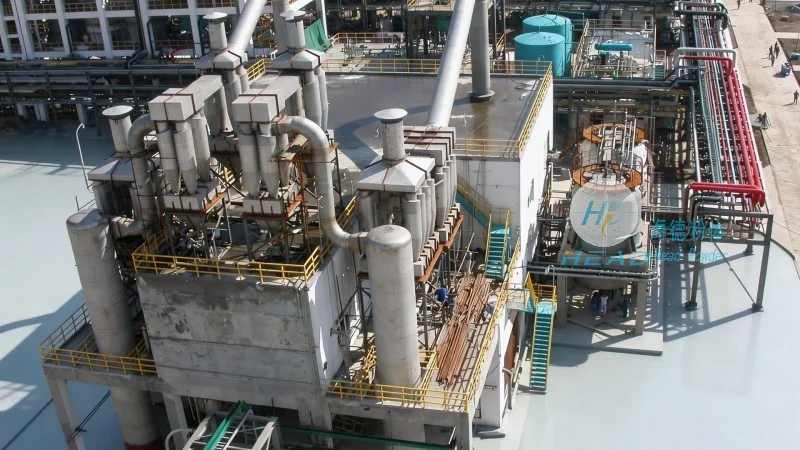
Working Principles of Pneumatic Conveying for Calcium Carbonate Powder
Pneumatic conveying operates by transporting powder materials through a pipeline using compressed air. The process involves several key components and mechanisms. First, the calcium carbonate powder is fed into a hopper or feeder, which ensures a consistent flow rate. Then, compressed air is introduced into the system, creating a flow that lifts and moves the powder particles through the pipeline. The air velocity is critical; it must be sufficient to overcome the gravitational force and friction within the pipeline, ensuring the powder remains in suspension. There are two main types of pneumatic conveying systems: dilute-phase and dense-phase. Dilute-phase systems use higher air velocities to keep particles suspended, while dense-phase systems use lower velocities to form a slurry-like flow, which is often preferred for longer distances or when handling sensitive materials.
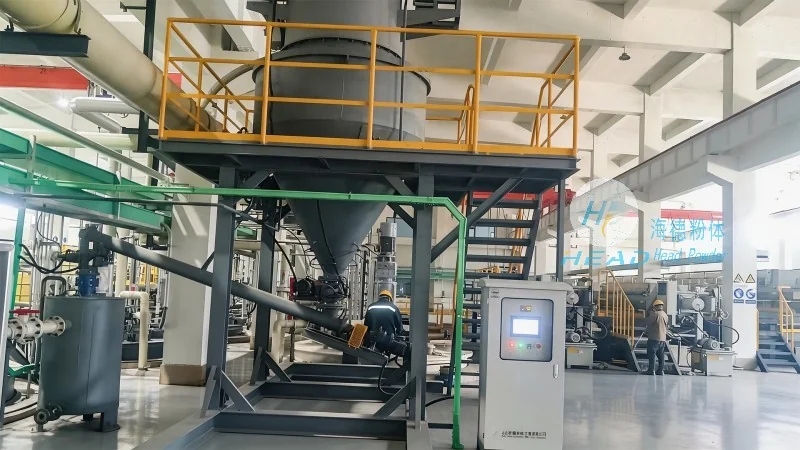
Classification Applications of Pneumatic Conveying for Calcium Carbonate Powder
The applications of pneumatic conveying for calcium carbonate powder can be classified based on the system type and operational requirements. Dilute-phase systems are commonly used for short to medium distances, where the material is transported in a low concentration of powder in air. This method is suitable for applications such as feeding raw materials into processing equipment, transporting powder from storage silos to production lines, or moving material between different stages of a manufacturing process. Dense-phase systems, on the other hand, are ideal for longer distances or when the material needs to be transported with minimal degradation. They are often used in applications where the powder is sensitive to air exposure or when high pressure is required to maintain flow. For example, in the production of calcium carbonate-based products like coatings, plastics, or paper, dense-phase conveying ensures that the powder is delivered to the processing equipment without losing its quality or properties.
Advantages and Considerations in Pneumatic Conveying for Calcium Carbonate Powder
Implementing pneumatic conveying for calcium carbonate powder offers several advantages. One of the primary benefits is the ability to transport materials without the need for mechanical components like belts or buckets, reducing maintenance costs and increasing system reliability. Additionally, pneumatic systems can handle a wide range of powder characteristics, including different particle sizes, moisture contents, and flow properties. However, there are also considerations to keep in mind. The system design must account for the specific properties of calcium carbonate powder, such as its density, abrasiveness, and tendency to agglomerate. Proper system sizing and air velocity control are essential to prevent blockages or material degradation. HeadPowder's expertise in designing and manufacturing pneumatic conveying systems ensures that these factors are carefully considered, resulting in efficient and reliable solutions for clients.

Conclusion
In conclusion, pneumatic conveying is a vital technology for the efficient handling of calcium carbonate powder. By understanding the working principles and classification applications, industry professionals can select the most appropriate system for their specific needs. Shandong HeadPowder Engineering Co., Ltd. provides comprehensive solutions, leveraging advanced engineering and manufacturing capabilities to deliver high-performance pneumatic conveying systems tailored to the demands of calcium carbonate powder handling. Whether for short-distance feeding or long-distance transport, HeadPowder's expertise ensures that clients can achieve optimal material handling efficiency and reliability.