

Principle and Classification Application of Lithium Battery Mineral Powder Pneumatic Conveying
HeadPowder, a leading provider in the field, specializes in the design and implementation of pneumatic conveying solutions tailored for lithium battery mineral powders. This article delves into the fundamental principles of pneumatic conveying, the various classification methods, and practical applications within the lithium battery manufacturing industry.
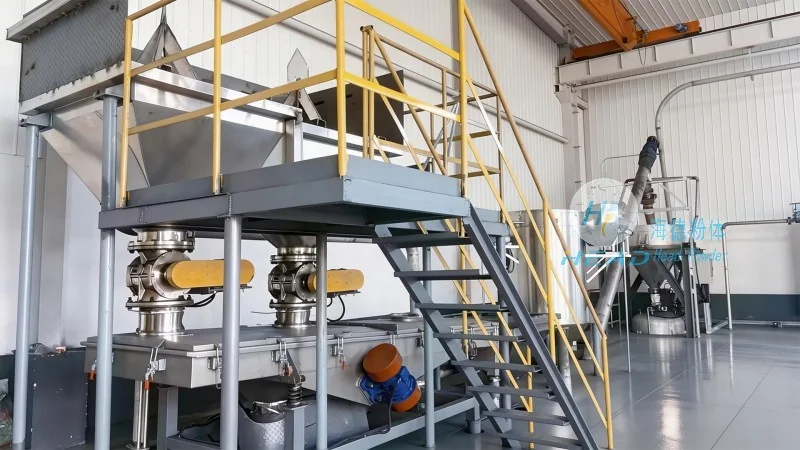
The Working Principle of Pneumatic Conveying for Lithium Battery Mineral Powders
Pneumatic conveying operates by using a gas stream, typically air or a specific gas mixture, to transport solid particles through a pipeline. In the context of lithium battery mineral powders, such as lithium carbonate, lithium hydroxide, and other raw materials, the system ensures efficient and dust-free material handling. The process involves several key components: a feeding device to introduce the powder into the system, a conveying line where the gas and powder mixture travels, and a separation unit to collect the powder at the destination. The pressure or vacuum created by the air flow propels the particles, allowing for continuous and controlled movement. This method is particularly advantageous for handling fine powders that are prone to caking or dust generation, as it minimizes material degradation and environmental contamination.
Classification and Application of Pneumatic Conveying Systems
Pneumatic conveying systems for lithium battery mineral powders can be classified based on several factors, including the conveying method, pressure level, and system configuration. The primary classifications include:
1. Positive Pressure Systems: These systems use compressed air to push the material through the pipeline. They are suitable for long-distance conveying and can handle a wide range of particle sizes and moisture content. Positive pressure systems are commonly used in industrial settings where high material throughput is required.
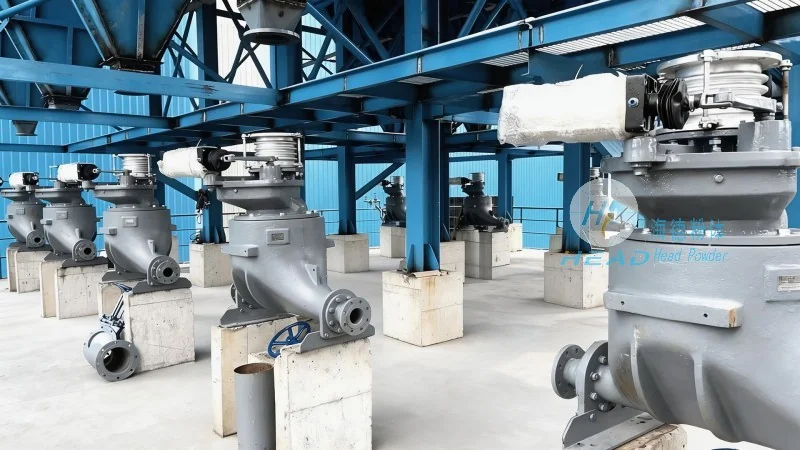
2. Negative Pressure (Vacuum) Systems: In these systems, a vacuum is created to draw the material into the pipeline. They are ideal for applications requiring material collection from multiple sources or for handling materials that are sensitive to pressure changes. Negative pressure systems are often employed in environments where dust control is critical and where the material needs to be transported from a lower elevation to a higher one.
3. Two-Phase (Air-Liquid) Systems: This classification involves the use of a liquid (often water or oil) as a carrier medium in addition to air. The liquid helps to lubricate the pipeline and reduce particle attrition, making it suitable for very fine or abrasive powders. Two-phase systems are used when the material has high moisture content or when the conveying distance is extremely long.
4. Trunk Line Systems: These systems use a single main pipeline with multiple branch lines to transport material from various sources to a central collection point. They are efficient for handling multiple materials simultaneously and are commonly used in large-scale lithium battery production facilities where material flow is complex.
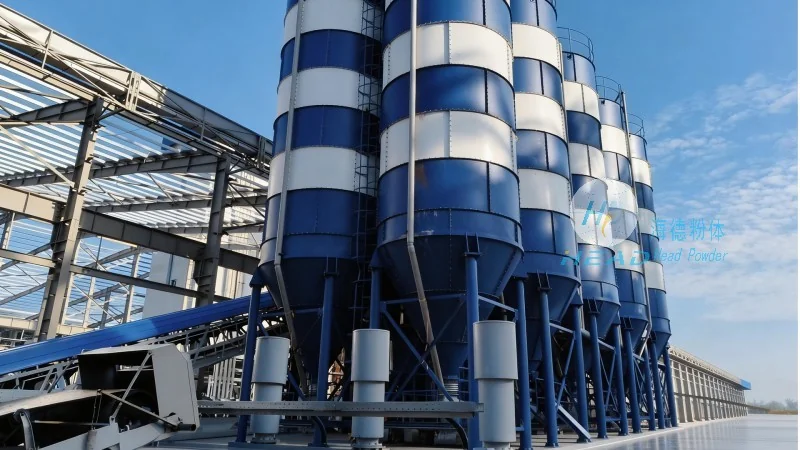
5. Loop Systems: Loop systems involve a closed loop of pipeline with a central cyclone separator. The material is conveyed in a circular path, and the separator separates the powder from the air at the end of each loop. This type of system is suitable for high-volume, continuous operation and is often used in applications where the material needs to be recycled or reprocessed.
Practical Applications in Lithium Battery Manufacturing
The application of pneumatic conveying systems in lithium battery manufacturing is crucial for ensuring the quality and efficiency of the production process. Here are some key applications:
1. Raw Material Handling: Pneumatic conveying is widely used to transport raw materials such as lithium carbonate, lithium hydroxide, and other mineral powders from storage silos to processing equipment. The system ensures that the materials are delivered in a controlled manner, preventing contamination and maintaining consistent moisture levels.
2. In-Process Material Transfer: During the battery cell manufacturing process, various intermediate powders, such as active materials and binders, are transferred between different production lines using pneumatic conveying. This method allows for seamless integration of processes and reduces the risk of material loss or degradation.
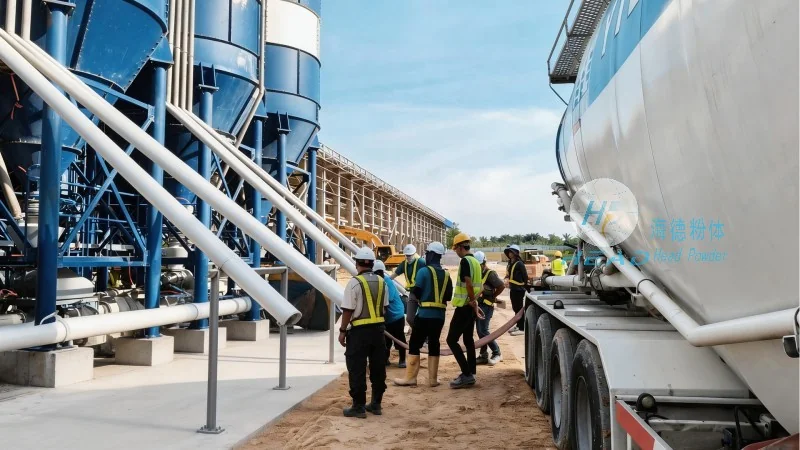
3. Waste and Byproduct Management: Pneumatic conveying systems can also be used to handle waste materials and byproducts generated during the battery production process. By collecting these materials in a controlled manner, the system helps to maintain a clean and safe working environment while ensuring proper disposal or recycling.
4. Quality Control and Sampling: Pneumatic conveying facilitates the collection of samples from raw materials or intermediate products for quality testing. The system allows for precise and representative sampling, which is essential for maintaining product quality and compliance with industry standards.
About HeadPowder Engineering
HeadPowder Engineering, with its headquarters in Shandong, China, is a professional engineering company dedicated to providing advanced pneumatic conveying solutions for the lithium battery industry. Our team of experts has extensive experience in designing and implementing customized systems that meet the specific needs of our clients. We focus on delivering efficient, reliable, and cost-effective solutions that enhance the productivity and safety of lithium battery manufacturing processes.