

Principle and Classification Application of Sodium Hydroxide Pneumatic Conveying
For industrial applications, the efficient and safe handling of sodium hydroxide (NaOH), commonly known as caustic soda, is crucial. Pneumatic conveying systems offer a reliable method for transporting this caustic material, ensuring minimal exposure to personnel and reducing operational risks. This article explores the fundamental principles of sodium hydroxide pneumatic conveying, along with its classification and practical applications in various industrial settings, with a focus on solutions provided by Shandong HeadPowder Engineering Co., Ltd. (headpowder).
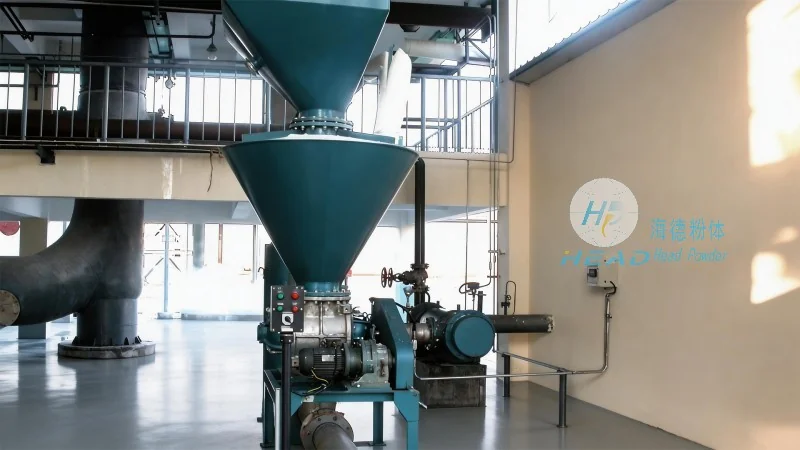
Understanding the Pneumatic Conveying Principle
Pneumatic conveying relies on the movement of a material through a pipeline using a gas stream, typically air or other gases. The process can be categorized into two main types: dilute-phase and dense-phase conveying. In dilute-phase systems, the material is suspended in the gas stream, allowing for high-speed transport over long distances. Dense-phase conveying, on the other hand, involves a slower, more controlled flow where the material is more densely packed within the pipeline, often used for sensitive or high-value products.
For sodium hydroxide, the choice of conveying method depends on factors such as the material's properties, the distance to be covered, and the required flow rate. The principle involves creating a pressure differential or using a vacuum to draw the material into the system. In the case of sodium hydroxide, which is often in solid form (e.g., flakes or pellets) or liquid form (e.g., solutions), the system must be designed to handle its caustic nature and potential reactivity with other materials. The use of appropriate materials for the pipeline, such as corrosion-resistant metals or specialized coatings, is essential to prevent degradation and ensure system longevity.
Classification of Sodium Hydroxide Pneumatic Conveying Systems
Sodium hydroxide pneumatic conveying systems are classified based on their operational mode and the type of gas used. The primary classifications include:
1. Vacuum (or Suction) Conveying: This method uses a vacuum pump to draw material from a source, such as a storage silo or hopper, into the conveying line. It is ideal for applications where the material needs to be transported from a lower elevation or where the source is located remotely. The system operates by creating a negative pressure that pulls the material along with the air stream, ensuring a continuous flow.
2. Positive Pressure (or Pressure) Conveying: In contrast to vacuum systems, positive pressure systems use a blower or compressor to push air (or other gas) through the pipeline, carrying the material from the source to the destination. This method is suitable for longer distances and higher flow rates, as it can maintain a positive pressure throughout the system, reducing the risk of material settling or clogging.
3. Hybrid Systems: Some applications may combine elements of both vacuum and positive pressure systems. For instance, a system might use a vacuum to draw material from a hopper and then switch to positive pressure to transport it over longer distances. Hybrid systems offer flexibility and can be tailored to specific operational requirements, such as varying material flow rates or distance constraints.
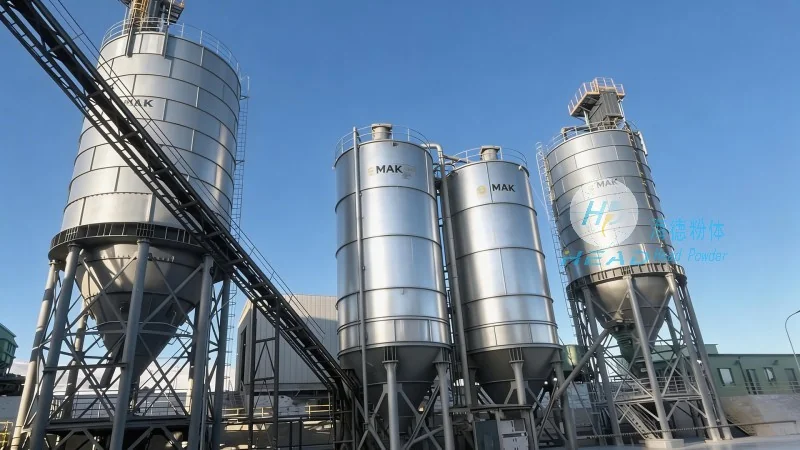
Applications of Sodium Hydroxide Pneumatic Conveying
The versatility of sodium hydroxide makes it a critical component in numerous industrial processes. Pneumatic conveying systems are widely used in the following applications:
1. Chemical Manufacturing: In chemical plants, sodium hydroxide is used in the production of soaps, detergents, and other alkaline products. Pneumatic conveying allows for the efficient transfer of raw materials, such as sodium hydroxide flakes, from storage to processing units, ensuring a steady supply of material for production lines. The system minimizes the risk of spills and exposure to personnel, enhancing workplace safety.
2. Paper and Pulp Industry: The paper industry relies on sodium hydroxide for processes like pulping and bleaching. Pneumatic conveying systems are used to transport caustic soda from storage silos to the bleaching and pulping equipment. This method ensures that the material is delivered in a controlled manner, maintaining the quality of the paper products while reducing operational downtime.
3. Water Treatment: Sodium hydroxide is used in water treatment facilities to adjust pH levels and neutralize acidic water. Pneumatic conveying allows for the precise delivery of caustic soda to the treatment tanks, ensuring optimal water quality. The system's ability to handle liquid or solid forms of sodium hydroxide makes it adaptable to different treatment processes.
4. Food and Beverage Industry: In some food processing applications, sodium hydroxide is used for cleaning and sanitizing equipment. Pneumatic conveying systems can transport the caustic material to cleaning stations, ensuring thorough and efficient cleaning without exposing workers to direct contact with the substance.
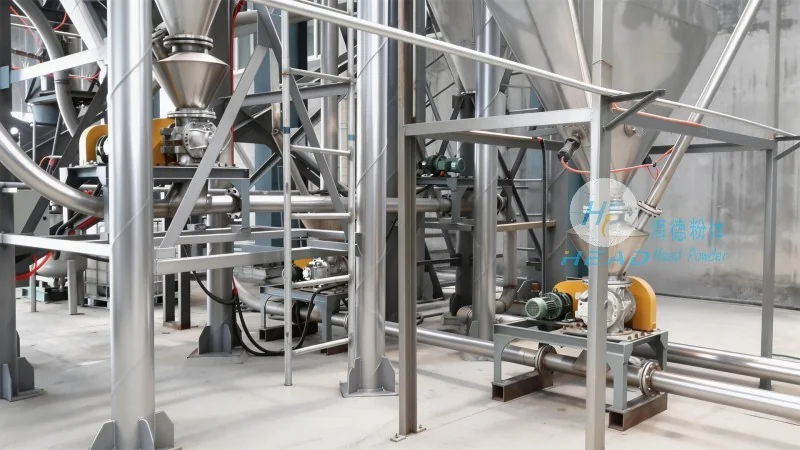
Key Considerations for Sodium Hydroxide Pneumatic Conveying
When implementing a sodium hydroxide pneumatic conveying system, several factors must be considered to ensure optimal performance and safety. These include:
Material Handling and Compatibility: Sodium hydroxide is a highly caustic substance, and the conveying system must be constructed from materials that can withstand its corrosive properties. Stainless steel, special alloys, or lined pipelines are commonly used to prevent degradation and maintain system integrity.
System Design and Sizing: The design of the pneumatic conveying system must account for the specific characteristics of sodium hydroxide, such as its density, flowability, and reactivity. Proper sizing of the pipeline, air velocity, and pressure differential is critical to prevent clogging, ensure efficient transport, and minimize energy consumption.
Safety Measures: Due to the hazardous nature of sodium hydroxide, safety is a top priority. The system should include features like explosion-proof components, leak detection, and emergency shut-off valves. Additionally, proper ventilation and personal protective equipment (PPE) for personnel handling the system are essential to mitigate risks.
Maintenance and Operational Efficiency: Regular maintenance of the pneumatic conveying system is necessary to ensure long-term reliability. This includes cleaning the pipeline, inspecting components for wear and tear, and monitoring system performance. Proper maintenance helps to prevent downtime, reduce maintenance costs, and extend the lifespan of the equipment.
Conclusion
Sodium hydroxide pneumatic conveying is a vital technology for the efficient and safe handling of this caustic material in various industrial applications. By understanding the underlying principles and classification of pneumatic conveying systems, industries can select the most appropriate method for their specific needs. The use of advanced materials, proper system design, and robust safety measures ensures that sodium hydroxide can be transported effectively while minimizing risks to personnel and the environment. Shandong HeadPowder Engineering Co., Ltd., located in Shandong, China, specializes in designing and implementing customized pneumatic conveying solutions tailored to the unique requirements of industrial clients, ensuring optimal performance and safety in the handling of sodium hydroxide.