

Classification and Application Analysis of Metallurgical Coal Powder Pneumatic Conveying Systems
Metallurgical coal powder is a critical raw material in the steel and iron production industries, where its efficient handling and transportation are essential for maintaining production efficiency and safety. Pneumatic conveying systems have emerged as a preferred method for transporting coal powder due to their ability to handle fine powders, minimize dust, and operate in a closed environment. This article provides an overview of the classification of metallurgical coal powder pneumatic conveying systems and their practical applications, highlighting the key factors that influence system selection and performance.
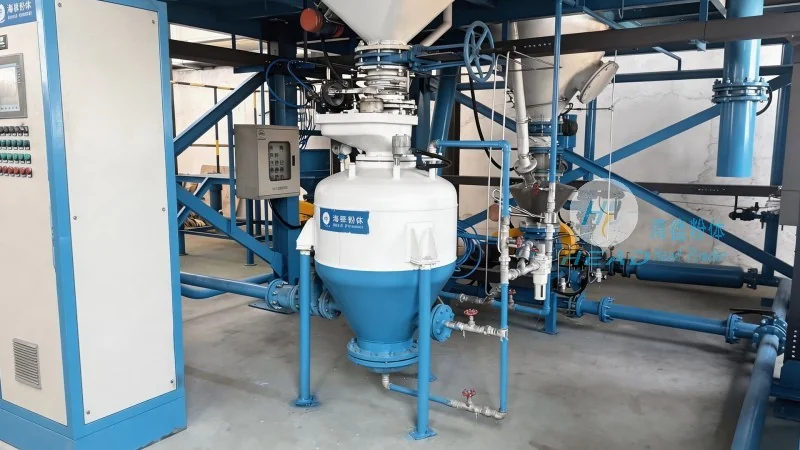
Classification of Pneumatic Conveying Systems for Metallurgical Coal Powder
There are primarily two types of pneumatic conveying systems used for metallurgical coal powder: dilute-phase and dense-phase systems. Dilute-phase systems operate at low solids concentration, typically 1-10% by volume, and rely on high air velocity to transport the powder. These systems are suitable for short to medium distances and are often used in applications where the powder is relatively dry and free-flowing. Dense-phase systems, on the other hand, operate at higher solids concentrations, typically 10-20% by volume, and use lower air velocity to create a slurry-like flow. Dense-phase systems are ideal for longer distances and for handling more cohesive or moisture-rich coal powders, as they reduce the risk of blockages and improve material handling consistency.
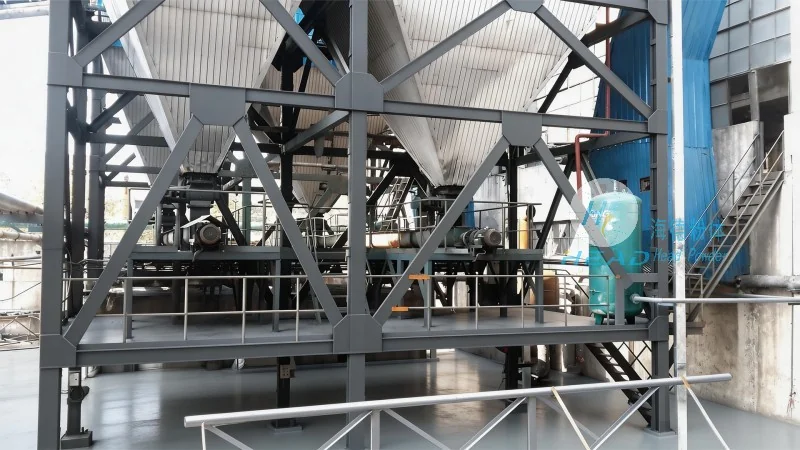
Key Components and Design Considerations
The effectiveness of a pneumatic conveying system for metallurgical coal powder depends on several key components and design considerations. The primary components include the hopper, feeder, air compressor, conveying line, and receiver. The hopper is designed to store and feed the coal powder, while the feeder ensures a consistent flow rate. The air compressor provides the necessary pressure and airflow to move the powder through the system. The conveying line is typically made of stainless steel or other corrosion-resistant materials to handle the abrasive nature of coal powder. The receiver is used to collect the delivered powder and may include a dust collection system to prevent environmental contamination.
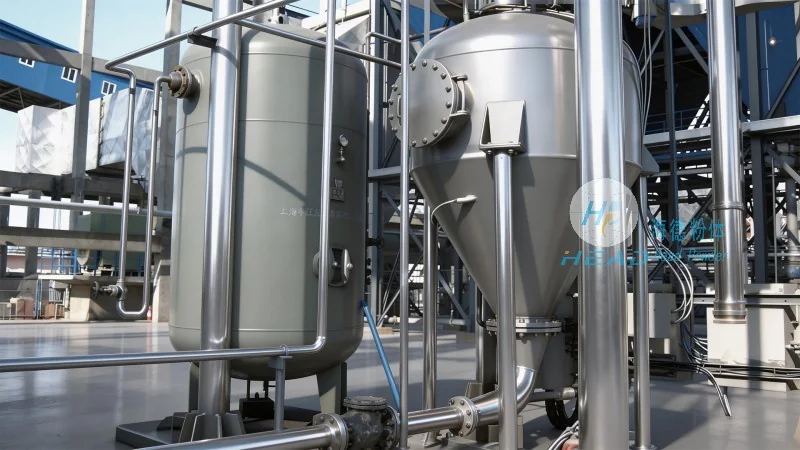
Application Analysis in Metallurgical Industries
Metallurgical coal powder is widely used in blast furnaces, sintering plants, and other industrial processes. The pneumatic conveying systems are tailored to meet the specific requirements of each application. For example, in blast furnaces, the system must be capable of delivering large quantities of coal powder at high pressure and with minimal downtime. In sintering plants, the system may need to handle more moisture-rich powders and maintain a consistent flow rate to ensure uniform sintering. The choice of system type (dilute or dense-phase) and the design of the components are critical to achieving optimal performance in these applications.
Performance Metrics and Optimization
Several performance metrics are used to evaluate the effectiveness of a pneumatic conveying system for metallurgical coal powder. These include the conveying capacity, which measures the amount of powder transported per unit time; the pressure drop, which indicates the energy required to move the powder; and the system efficiency, which considers the overall energy consumption and material loss. To optimize system performance, engineers may adjust the air velocity, solids concentration, and system geometry. For instance, increasing the solids concentration in a dense-phase system can improve conveying efficiency but may require more robust equipment to handle the higher pressure and flow rates. Regular maintenance and monitoring of the system components are also essential to ensure long-term reliability and performance.
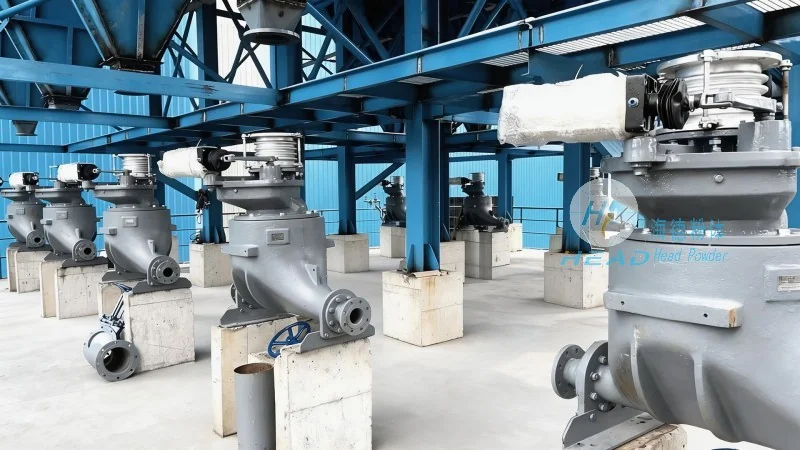
Case Study: Implementation by Shandong HeadPowder Engineering Co., Ltd.
Shandong HeadPowder Engineering Co., Ltd., a leading provider of pneumatic conveying solutions, has successfully implemented various systems for metallurgical coal powder applications. The company specializes in custom-designed systems that meet the specific needs of clients, including those in the steel and iron industries. By leveraging advanced engineering and material selection, HeadPowder has developed systems that enhance production efficiency, reduce operational costs, and improve safety. For example, a recent project involved the installation of a dense-phase pneumatic conveying system for a blast furnace, which increased the conveying capacity by 20% and reduced downtime by 15% compared to traditional methods. The system was designed to handle the high moisture content of the coal powder and maintain a consistent flow rate, ensuring stable operation of the blast furnace.