

Classification and Application Analysis of Pneumatic Conveying Systems for Metal Iron Powder
HeadPowder, a leading manufacturer in the field of pneumatic conveying systems, specializes in providing efficient solutions for metal iron powder handling. This article aims to explore the classification of these systems and their practical applications, offering insights into how such technology enhances industrial processes.
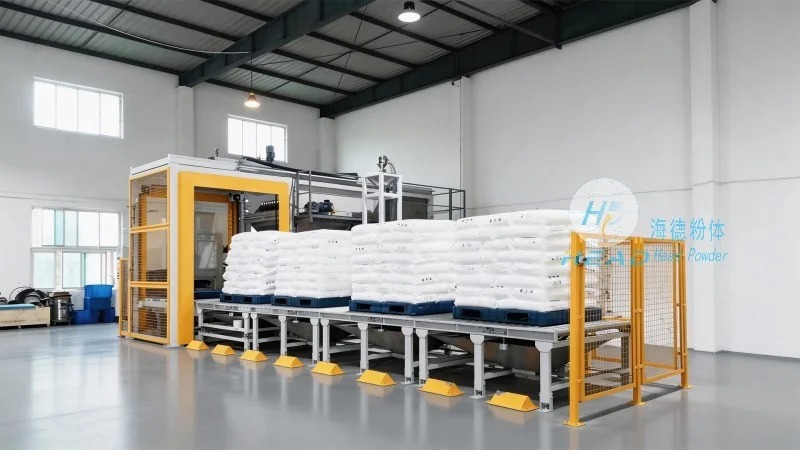
Introduction to Pneumatic Conveying Systems for Metal Iron Powder
Pneumatic conveying systems are essential in industries dealing with metal iron powder, as they offer a reliable method for transporting bulk materials through the use of air or gas. These systems are designed to handle the unique properties of iron powder, such as its fine particle size and potential for dust generation, ensuring safe and efficient material movement. The classification of these systems is based on several key factors, including the conveying principle, pressure type, and application requirements.
Classification of Pneumatic Conveying Systems
There are primarily two main categories of pneumatic conveying systems: positive pressure and negative pressure systems. Positive pressure systems, also known as pressure conveying, use a blower or compressor to generate air pressure that pushes the material through the pipeline. This method is suitable for long-distance and high-capacity conveying, making it ideal for large-scale industrial operations. Negative pressure systems, or vacuum conveying, use a vacuum pump to create a low-pressure environment that draws the material into the system. This approach is often preferred for shorter distances and when handling materials that are sensitive to pressure changes or require gentle handling.
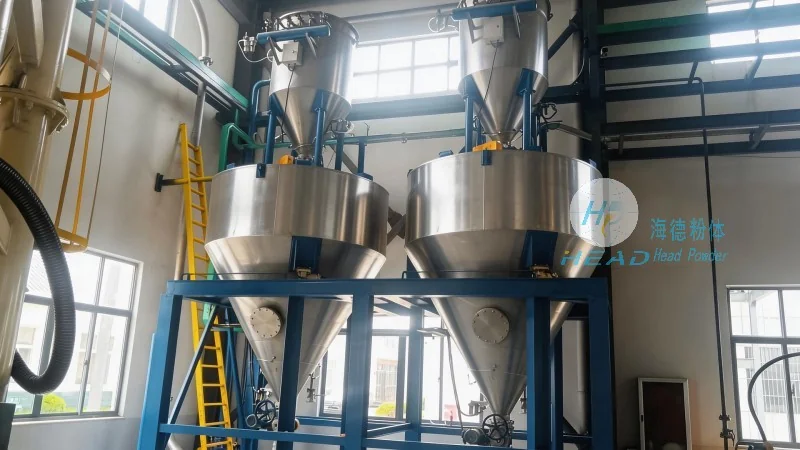
Within these main categories, sub-types exist based on the specific design and operational characteristics. For instance, dense phase conveying is a type of positive pressure system that operates at high pressure and low velocity, ensuring minimal particle degradation and reduced wear on equipment. This method is particularly effective for transporting iron powder, as it minimizes the risk of clogging and maintains the material's quality. Dilute phase conveying, on the other hand, operates at lower pressure and higher velocity, suitable for shorter distances and less abrasive materials. The choice between these sub-types depends on the specific requirements of the application, including the distance to be covered, the material's characteristics, and the desired level of efficiency.
Application Analysis of Pneumatic Conveying Systems
The application of pneumatic conveying systems for metal iron powder spans various industries, including metallurgy, chemical processing, and food production. In the metallurgy industry, these systems are crucial for transporting iron powder used in the production of steel and other metal alloys. The efficiency of the system directly impacts the overall production speed and cost-effectiveness of the manufacturing process. For example, in steel mills, pneumatic conveying systems are used to transport iron ore and other raw materials to the processing units, ensuring a continuous and uninterrupted supply.
In the chemical processing industry, metal iron powder is often used as a catalyst or additive in various chemical reactions. Pneumatic conveying systems enable the precise and controlled delivery of these materials to reactors, maintaining the required concentration and minimizing the risk of contamination. This is particularly important in processes where the quality of the final product is highly dependent on the purity and consistency of the raw materials. The systems also help in reducing the exposure of workers to dust and other hazardous materials, enhancing workplace safety.
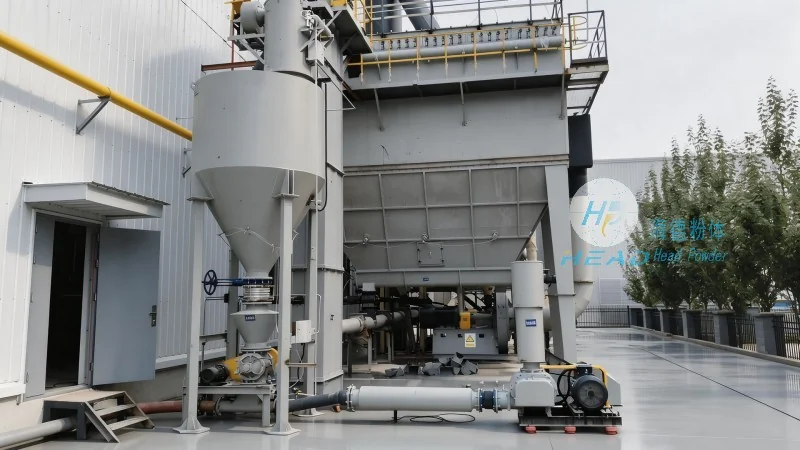
In the food industry, although less common due to regulatory constraints, pneumatic conveying systems can be used for handling iron powder in certain food additives or supplements. The systems must meet stringent hygiene standards and be designed to prevent cross-contamination. This ensures that the final products are safe for consumption and meet all regulatory requirements. The efficiency of the system in these applications is critical for maintaining product quality and meeting production targets.
Key Considerations for Selecting a Pneumatic Conveying System
When selecting a pneumatic conveying system for metal iron powder, several factors must be considered to ensure optimal performance and cost-effectiveness. The first consideration is the material's properties, including particle size, density, and flowability. These characteristics influence the choice of system type and design, as different materials may require different conveying methods. For instance, fine iron powder may require a dense phase system to prevent clogging, while larger particles might be suitable for dilute phase conveying.
Another critical factor is the distance and capacity requirements. The system must be capable of transporting the required volume of material over the specified distance without significant pressure loss or material degradation. This involves selecting the appropriate blower or vacuum pump, as well as the diameter and length of the conveying pipeline. The system's capacity should also be matched to the production rate of the facility to avoid bottlenecks or underutilization of resources.
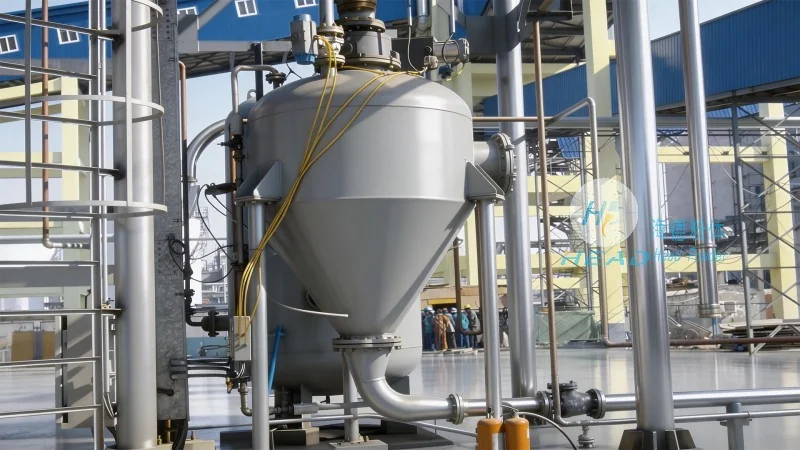
Operational costs and maintenance requirements are also important considerations. Pneumatic conveying systems can be more energy-intensive than other methods, such as belt conveyors, but they offer advantages in terms of flexibility and safety. The choice of system should balance these factors, considering the long-term operational costs and the ease of maintenance. Regular maintenance, such as cleaning filters and checking for wear and tear, is essential to ensure the system's longevity and performance.
Conclusion
Pneumatic conveying systems for metal iron powder are a vital component in modern industrial operations, offering efficient and safe methods for material handling. The classification of these systems, based on pressure type and conveying principle, allows for the selection of the most appropriate solution for specific applications. By understanding the characteristics of metal iron powder and the requirements of the industry, manufacturers can choose the right system to enhance productivity, reduce costs, and improve overall operational efficiency. HeadPowder, with its expertise in this field, continues to provide innovative solutions that meet the evolving needs of the industry, ensuring that metal iron powder is handled effectively and reliably.