

Classification and Application Analysis of Organic Fertilizer Pneumatic Conveying Systems
Organic fertilizer pneumatic conveying systems represent a critical technology in modern agricultural and industrial processes, facilitating the efficient transport of organic materials such as compost, manure, and other biodegradable substances. The classification of these systems is essential for understanding their design, functionality, and suitability for various operational needs. This article provides a detailed analysis of the primary categories of organic fertilizer pneumatic conveying systems and their practical applications.
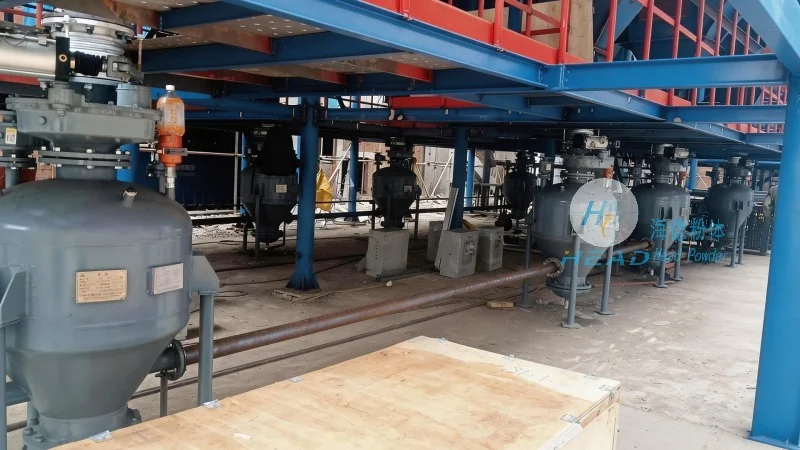
Classification of Organic Fertilizer Pneumatic Conveying Systems
Organic fertilizer pneumatic conveying systems can be broadly classified based on the conveying principle, material properties, and operational environment. The main categories include:
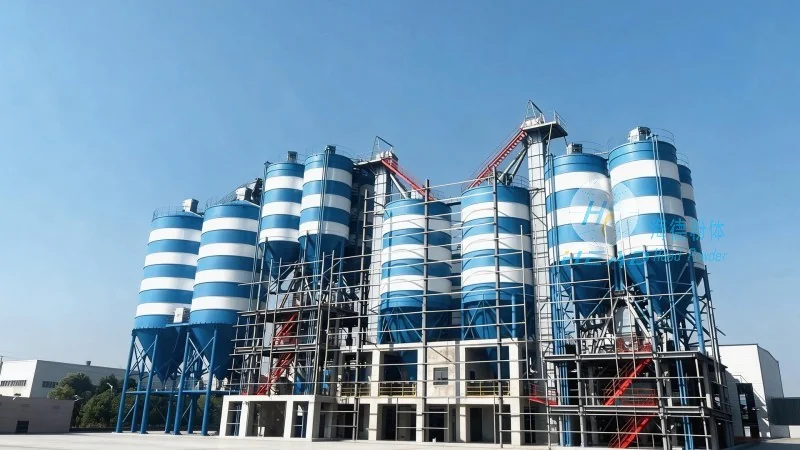
- Positive Pressure Systems: These systems use a blower or fan to generate positive pressure in the conveying line, pushing the material forward. They are suitable for short to medium-distance transport and are commonly used in small to medium-scale organic fertilizer production facilities.
- Negative Pressure (Vacuum) Systems: In contrast, negative pressure systems create a vacuum in the line, drawing material from the source. This method is ideal for long-distance transport and is often employed in large-scale operations where material needs to be moved over significant distances or through complex layouts.
- Combined Pressure-Vacuum Systems: These systems integrate both positive and negative pressure elements, offering flexibility in conveying different types of organic materials. They are particularly useful for handling materials with varying particle sizes and moisture content, ensuring consistent performance across diverse operational conditions.
Key Applications of Organic Fertilizer Pneumatic Conveying Systems
The application of organic fertilizer pneumatic conveying systems spans multiple sectors, including:
- Compost Production and Processing: In composting facilities, these systems efficiently transport raw organic waste from collection points to processing units, and then to storage or distribution areas. This ensures a continuous flow of material, enhancing the overall productivity of compost production.
- Manure Handling in Livestock Operations: For farms and livestock facilities, pneumatic conveying systems provide a hygienic and efficient method to move manure from barns to processing or storage sites. This reduces labor costs and minimizes environmental contamination, aligning with modern agricultural standards.
- Industrial Organic Waste Management: In industrial settings, such as food processing plants or biogas facilities, these systems help manage organic waste by transporting it to treatment or recycling processes. This supports sustainable waste management practices and contributes to environmental sustainability.
Company Profile: Shandong HeadPowder Engineering Co., Ltd.
Shandong HeadPowder Engineering Co., Ltd., operating under the brand name headpowder, is a leading provider of specialized engineering solutions for organic fertilizer and material handling systems. With a focus on innovation and quality, the company designs and manufactures customized pneumatic conveying systems tailored to the unique needs of its clients. HeadPowder's expertise in material flow technology ensures that their systems are efficient, reliable, and compliant with industry standards.
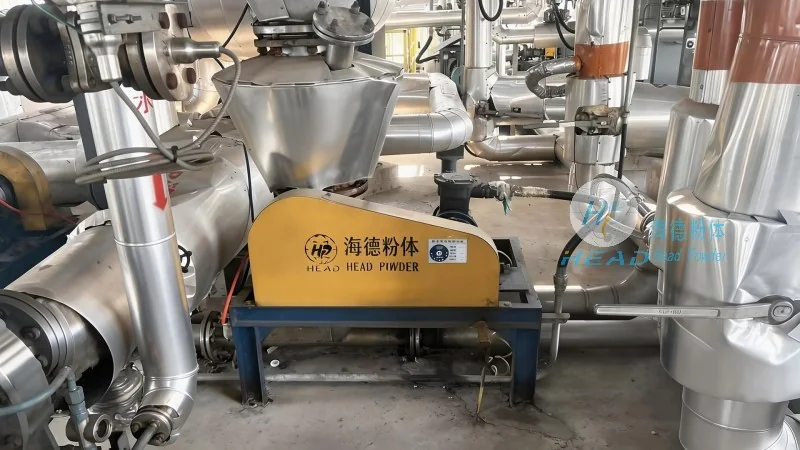
HeadPowder's facilities are located in Shandong, China, where the company leverages local resources and expertise to develop cutting-edge solutions for the organic fertilizer industry. The company's commitment to customer satisfaction and technological advancement has established it as a trusted partner for businesses seeking to optimize their material handling processes.