

Classification and Application Analysis of Synthetic Fiber Pneumatic Conveying Systems
HeadPowder, a leading engineering firm based in Shandong, China, specializes in the design, manufacturing, and implementation of advanced pneumatic conveying systems tailored for synthetic fiber materials. This article provides a comprehensive classification of these systems and an in-depth analysis of their practical applications, highlighting the technical advantages and operational efficiency they offer in various industrial settings.
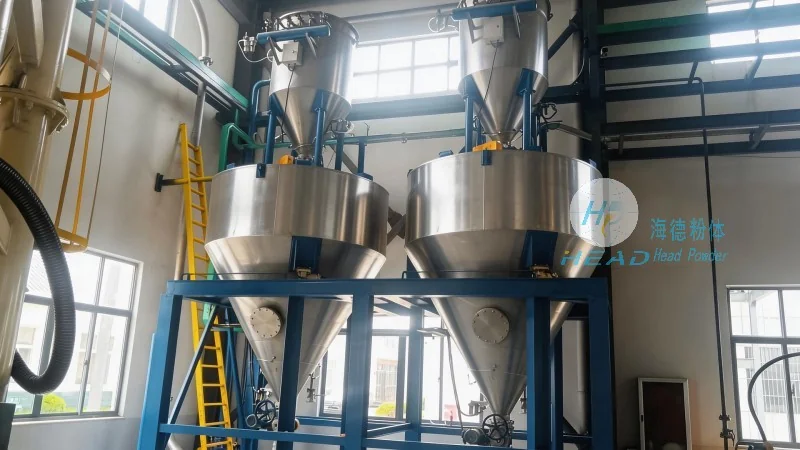
Overview of Synthetic Fiber Pneumatic Conveying Systems
Synthetic fiber pneumatic conveying systems are engineered to transport loose or bulk synthetic fibers through a pressurized or vacuumed air stream. These systems are widely adopted in industries such as textiles, chemical processing, and material handling due to their ability to handle fine, abrasive, or hygroscopic materials with minimal product degradation. The core components of a typical system include a material feed hopper, a conveying line (often equipped with cyclones or filters), and a discharge unit. The choice of system type—whether positive pressure, negative pressure, or a hybrid approach—depends on factors like material characteristics, process requirements, and environmental considerations.
Classification of Synthetic Fiber Pneumatic Conveying Systems
Based on the pressure differential and operational principles, synthetic fiber pneumatic conveying systems can be broadly classified into three main categories: positive pressure systems, negative pressure (or vacuum) systems, and combined (or hybrid) systems.
1. Positive Pressure Conveying Systems
Positive pressure systems operate by blowing air or a gas mixture into the conveying line, creating a pressure higher than the ambient environment. This method is particularly effective for transporting dry, free-flowing synthetic fibers over long distances or through complex piping networks. The primary advantages of positive pressure systems include high conveying capacity, reduced risk of material clogging, and the ability to handle abrasive or sticky materials without excessive wear on components. For synthetic fibers, positive pressure systems are often preferred when the material is to be delivered to multiple destinations or when the process requires a consistent, high-volume flow rate.
2. Negative Pressure (Vacuum) Conveying Systems
Negative pressure systems, also known as vacuum conveyors, draw material into the system using a vacuum created by a fan or blower. This approach is ideal for applications where the material needs to be collected from multiple points or where the process requires a gentle handling of delicate fibers to prevent breakage or contamination. Negative pressure systems are commonly used in industries where the material is sourced from open containers or where the conveying path involves vertical or inclined sections that may cause material settling. The key benefits of vacuum systems include low noise operation, minimal dust emission during material intake, and the ability to handle fine powders without the need for high air velocities.
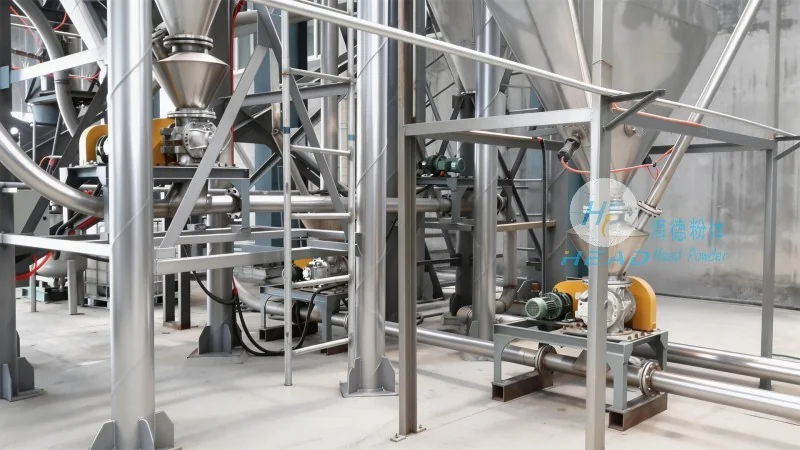
3. Hybrid (Combined) Conveying Systems
Hybrid systems combine elements of both positive and negative pressure technologies to optimize performance for specific synthetic fiber applications. For instance, a hybrid system might use a vacuum to draw material from a hopper and then switch to positive pressure to transport it through a long horizontal line. This approach allows for flexible operation, enabling the system to adapt to varying material loads or process conditions. Hybrid systems are particularly useful in complex industrial setups where different sections of the conveying line require different pressure profiles, such as when transporting fibers from a central storage to multiple processing units.
Application Analysis of Synthetic Fiber Pneumatic Conveying Systems
The versatility of synthetic fiber pneumatic conveying systems makes them suitable for a wide range of applications across various industries. Below is an analysis of key use cases and the technical considerations that influence system selection.
1. Textile Manufacturing and Processing
In the textile industry, synthetic fibers such as polyester, nylon, and acrylic are commonly used in the production of fabrics, yarns, and non-woven materials. Pneumatic conveying systems are employed to transport raw fibers from storage silos to blending and spinning machines. The positive pressure systems are often preferred here due to their ability to handle large volumes of dry fibers efficiently, while minimizing the risk of fiber entanglement or breakage. For example, in a polyester fiber processing plant, a positive pressure conveyor can transport raw polyester chips from a storage silo to a melt-spinning unit, ensuring a continuous and stable feed of material. The system's design, including the use of high-efficiency cyclones and filtration, helps maintain the purity of the fibers, which is critical for the quality of the final textile products.
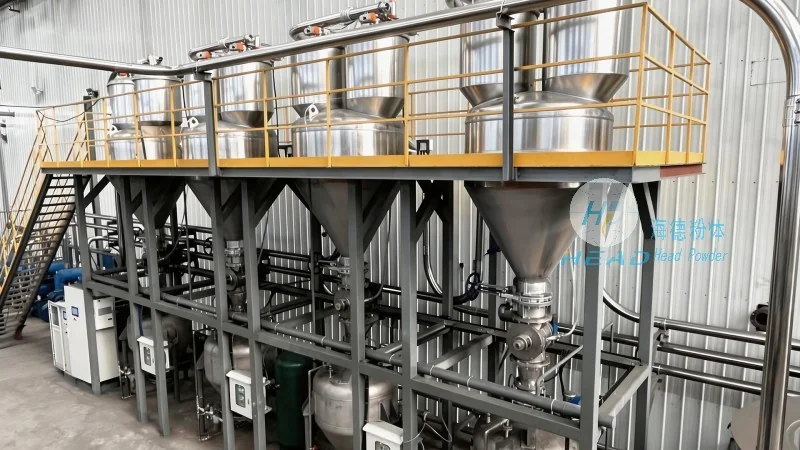
2. Chemical Processing and Material Handling
Synthetic fibers are also integral to chemical processing operations, where they may be used as filtration media, catalyst supports, or as raw materials in polymer production. Pneumatic conveying systems are utilized to transport these fibers between processing stages, such as from a drying unit to a packaging facility. Negative pressure systems are often chosen for these applications when the material is sensitive to high air velocities or when the process requires a gentle handling of fine powders to prevent agglomeration. For instance, in a chemical plant producing activated carbon from synthetic fibers, a vacuum conveyor can be used to collect the dried fibers from a conveyor belt and transfer them to a storage bin, ensuring a dust-free and controlled transfer process.
3. Pharmaceutical and Food Processing
While synthetic fibers are less common in pharmaceutical and food processing compared to natural fibers, they are still used in certain applications, such as in the production of medical textiles or food packaging materials. Pneumatic conveying systems in these industries must adhere to stringent hygiene and safety standards. The systems are typically designed with stainless steel components, sealed hoppers, and advanced filtration to prevent contamination. Positive pressure systems are preferred in these sectors due to their ability to maintain a positive pressure environment, which helps prevent the ingress of airborne contaminants. For example, in a pharmaceutical facility producing sterile textile filters, a positive pressure conveyor can transport the synthetic fiber mats from a manufacturing line to a sterilization chamber, ensuring that the material remains free from microbial contamination throughout the process.
Technical Advantages and Operational Efficiency
Compared to traditional mechanical conveying methods, synthetic fiber pneumatic conveying systems offer several technical advantages that enhance operational efficiency and product quality. These include:
- Reduced Material Damage: The gentle handling of fibers through air flow minimizes breakage, fiber length reduction, or surface abrasion, which is crucial for maintaining the mechanical properties of synthetic fibers.
- Low Maintenance and Longevity: Pneumatic systems have fewer moving parts compared to belt or screw conveyors, resulting in lower maintenance costs and longer service life. The absence of mechanical components also reduces the risk of wear and tear, especially when handling abrasive synthetic fibers.
- Energy Efficiency: Modern pneumatic conveying systems are designed with energy-efficient blowers and optimized air flow, reducing operational costs and environmental impact. The use of variable frequency drives (VFDs) allows for adjustable air pressure and flow rates, matching the system's performance to actual process demands.
- Space Efficiency: Pneumatic systems can be installed in compact spaces, making them suitable for facilities with limited floor area. The flexibility of piping allows for easy integration into existing production lines without major structural modifications.
- Environmental Benefits: By eliminating the need for manual handling or open-air transfer of synthetic fibers, pneumatic systems reduce dust emissions and improve workplace safety. The enclosed conveying lines also help in controlling odors and preventing cross-contamination, which is essential in industries like pharmaceuticals and food processing.
Conclusion
Synthetic fiber pneumatic conveying systems represent a sophisticated and efficient solution for the transport of synthetic fibers in various industrial applications. The classification of these systems—positive pressure, negative pressure, and hybrid—enables engineers to select the most appropriate technology based on material characteristics, process requirements, and operational constraints. As industries continue to demand higher productivity, product quality, and environmental compliance, the role of advanced pneumatic conveying systems will only grow. HeadPowder, with its expertise in engineering and manufacturing, remains at the forefront of providing customized solutions that meet the evolving needs of the synthetic fiber industry.