

Classification and Application Analysis of Sodium Hexafluorophosphate Pneumatic Conveying Systems
Understanding the classification and application of sodium hexafluorophosphate (NaPF₆) pneumatic conveying systems is crucial for industries that rely on efficient material handling. This analysis provides a comprehensive overview of the systems, their types, and practical applications, tailored to meet the specific needs of various industrial processes. The systems are designed to transport NaPF₆ safely and effectively, ensuring minimal product degradation and optimal operational performance.
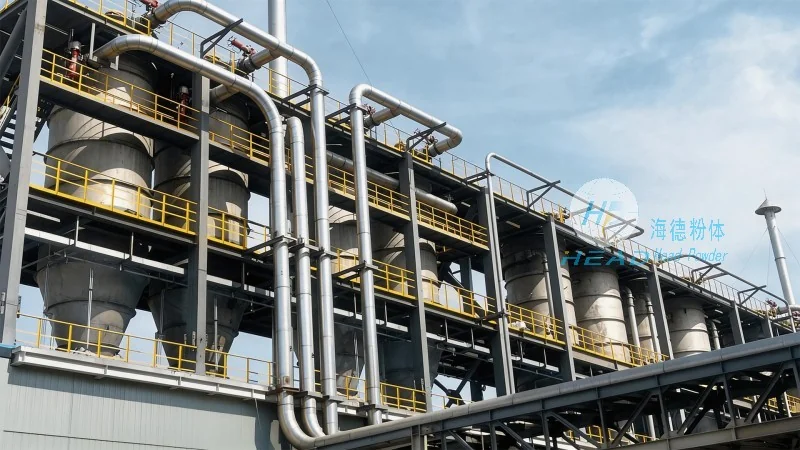
Key Players in the Industry: Shandong HeadPowder Engineering Co., Ltd.
At the forefront of pneumatic conveying technology is Shandong HeadPowder Engineering Co., Ltd., commonly known as HeadPowder. With a strong presence in China, particularly in Shandong province, the company specializes in engineering solutions for material handling systems. HeadPowder's expertise lies in designing, manufacturing, and implementing customized pneumatic conveying systems that cater to the unique requirements of clients across different sectors. The company's commitment to quality and innovation has positioned it as a trusted partner for industries dealing with sodium hexafluorophosphate and other similar materials.
Classification of Pneumatic Conveying Systems for Sodium Hexafluorophosphate
Sodium hexafluorophosphate pneumatic conveying systems can be broadly classified into several categories based on their operational principles and design features. The primary classifications include pressure systems, vacuum systems, and mixed systems. Each type has distinct characteristics that influence its suitability for different applications.
Pressure pneumatic conveying systems utilize compressed air or gas to push the material through a pipeline. These systems are ideal for long-distance and high-volume transportation of NaPF₆, as they can maintain consistent flow rates and handle abrasive or sensitive materials without causing damage. The pressure system operates by creating a pressure differential between the inlet and outlet, ensuring the material is continuously moved through the conveying line.
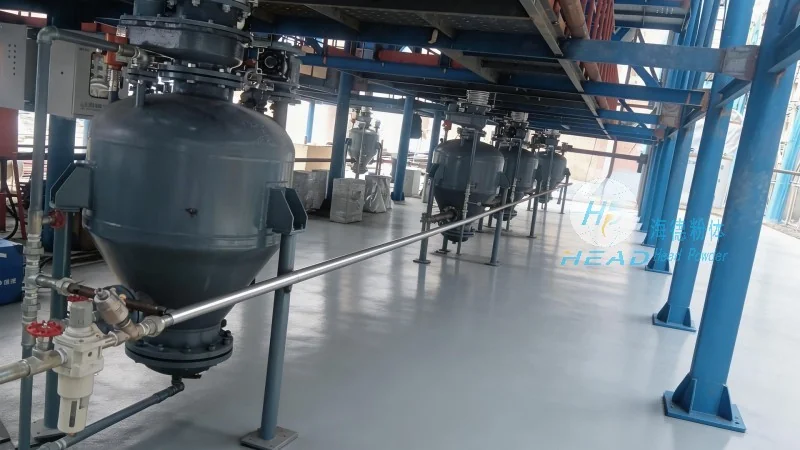
Vacuum pneumatic conveying systems, on the other hand, use suction to draw the material into the pipeline. This method is particularly useful for applications where the material needs to be transported from a lower elevation or where the material is sensitive to pressure changes. The vacuum system creates a negative pressure environment, allowing the material to be drawn into the conveying line and transported to the desired location. It is commonly used in applications involving fine powders or granules that require gentle handling.
Mixed or combined systems integrate both pressure and vacuum principles to achieve optimal performance. These systems are versatile and can handle a wide range of material characteristics and operational conditions. By combining the benefits of both pressure and vacuum systems, mixed systems offer flexibility in material handling, making them suitable for complex industrial processes that require efficient and reliable transportation of sodium hexafluorophosphate.
Application Analysis of Sodium Hexafluorophosphate Pneumatic Conveying Systems
The application of sodium hexafluorophosphate pneumatic conveying systems varies across different industries, each with specific requirements for material handling. In the pharmaceutical and chemical industries, the systems are used to transport NaPF₆ for manufacturing processes, ensuring precise dosing and minimal contamination. The systems are designed to maintain the purity of the material, which is critical for pharmaceutical applications where quality control is paramount.
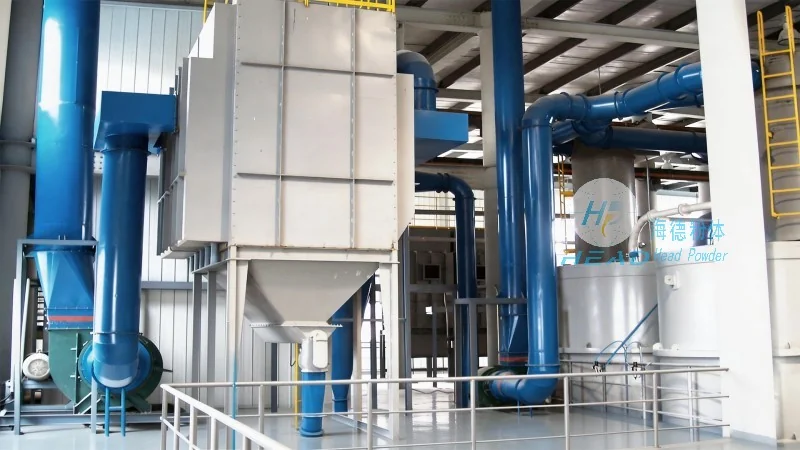
In the battery and electronics sectors, sodium hexafluorophosphate is a key component in lithium-ion battery production. The pneumatic conveying systems are used to transport the material to production lines, where it is incorporated into battery electrodes. The systems must be capable of handling fine powders and maintaining consistent particle size distribution, as these factors directly impact the performance and efficiency of the batteries.
In the agricultural and food processing industries, the systems are utilized for transporting NaPF₆ used as a fertilizer or food additive. The systems are designed to handle bulk materials and ensure uniform distribution of the material in agricultural settings. The use of pneumatic conveying reduces the risk of material contamination and improves the overall efficiency of the application process.
Additionally, in the mining and mineral processing industries, sodium hexafluorophosphate is used as a flux or reagent in various processes. The pneumatic conveying systems are employed to transport the material from storage to processing equipment, ensuring a continuous supply of the reagent. The systems are built to withstand harsh operating conditions and handle abrasive materials, making them suitable for mining applications.
Advantages and Considerations for Sodium Hexafluorophosphate Pneumatic Conveying Systems
Implementing sodium hexafluorophosphate pneumatic conveying systems offers several advantages over traditional material handling methods. The primary benefits include improved safety, as the systems eliminate the need for manual handling of hazardous materials. This reduces the risk of accidents and exposure to harmful substances, enhancing workplace safety. Additionally, pneumatic conveying systems provide efficient and reliable transportation, minimizing downtime and ensuring consistent material flow.
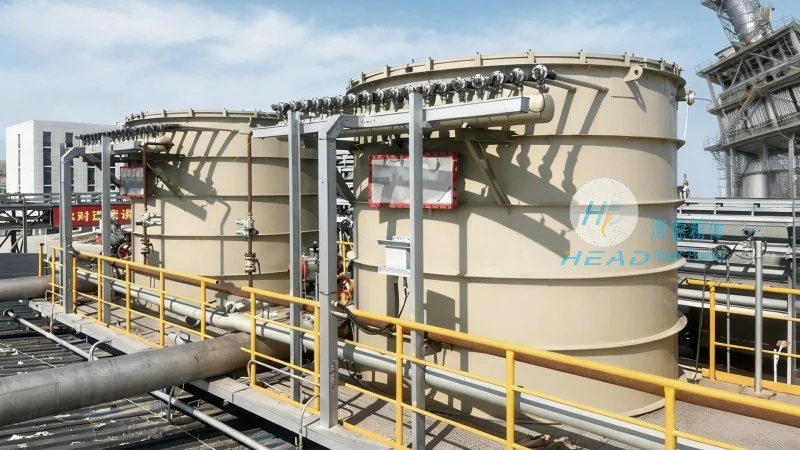
Another advantage is the ability to handle fine powders and granules without causing agglomeration or degradation. The systems are designed to maintain the physical properties of the material, which is crucial for applications where the material's quality directly impacts the final product. The use of appropriate air velocities and pipeline design ensures that the material is transported without causing excessive wear or damage to the conveying equipment.
However, there are also considerations to keep in mind when implementing these systems. The cost of installation and maintenance can be significant, especially for large-scale systems. Additionally, the systems require proper maintenance to ensure optimal performance and prevent system failures. Regular cleaning and inspection of the pipelines and components are essential to maintain the system's efficiency and longevity.
Furthermore, the selection of the appropriate system type depends on the specific application and operational conditions. Factors such as material characteristics, conveying distance, and required flow rates must be carefully evaluated to determine the most suitable system. Consulting with experts, such as those at Shandong HeadPowder Engineering Co., Ltd., can help in making informed decisions and selecting the right system for the specific needs of the industry.