

Arylate Rubber Pneumatic Conveying System Classification and Application Analysis
Acrylate rubber pneumatic conveying systems represent a specialized category of material handling equipment designed for the efficient transport of powders and granules. These systems leverage the principles of pneumatic transport, where materials are conveyed through a pipeline using air or other gases as the medium. The use of acrylate rubber in such systems is particularly advantageous due to its excellent resistance to chemicals, abrasion, and temperature variations, making it suitable for a wide range of industrial applications.
Classification of Acrylate Rubber Pneumatic Conveying Systems
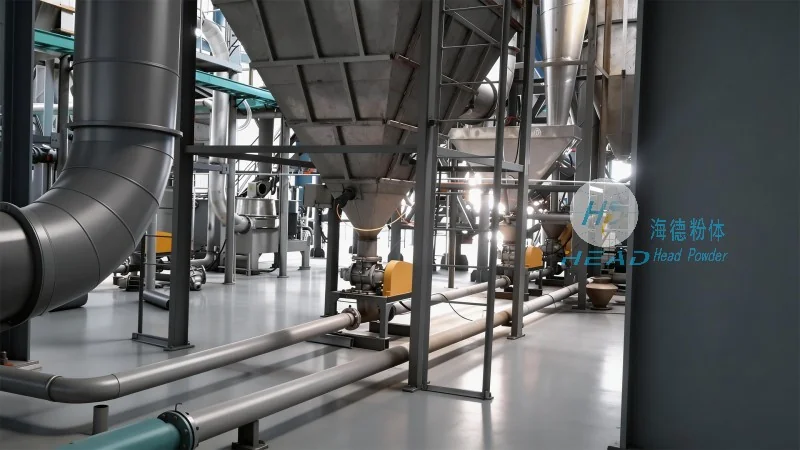
Acrylate rubber pneumatic conveying systems can be classified based on several key parameters, including the conveying method, material handling capacity, and system configuration. The primary classification includes pressure and vacuum systems, each with distinct operational characteristics. Pressure systems utilize compressed air to push material through the pipeline, while vacuum systems employ suction to draw material from the source. Within these categories, further sub-classifications exist based on the type of air flow, such as dilute phase and dense phase conveying. Dilute phase systems are typically used for high-velocity, low-density materials, whereas dense phase systems are preferred for handling fine powders and sensitive products that require gentle handling.
Key Applications in Industrial Settings
The versatility of acrylate rubber pneumatic conveying systems makes them indispensable in various industrial sectors. In the chemical industry, these systems are widely used for transporting reactive powders and chemicals, where the material's resistance to corrosion and chemical exposure is critical. The pharmaceutical sector also benefits from their ability to maintain product purity and sterility, as acrylate rubber components do not introduce contaminants or off-gassing. Additionally, in the food processing industry, acrylate rubber systems are employed for conveying dry ingredients like flour, sugar, and spices, ensuring compliance with food safety regulations. Other applications include the handling of minerals, plastics, and agricultural products, where the system's durability and adaptability to different material properties are essential.
Technical Advantages and Performance Characteristics
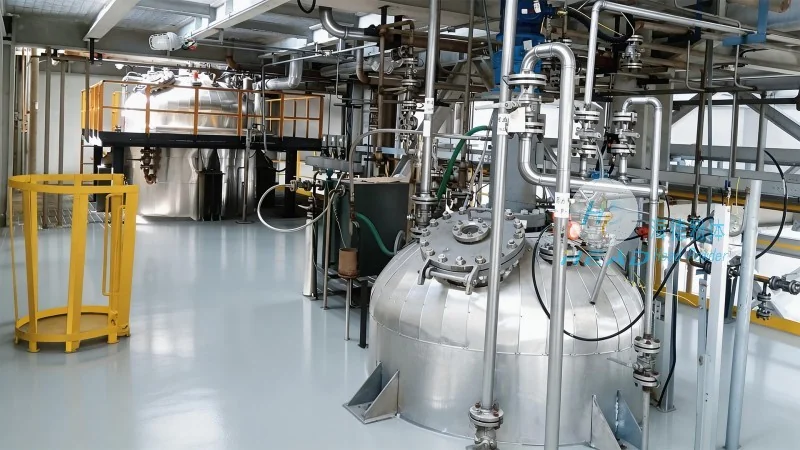
Acrylate rubber pneumatic conveying systems offer several technical advantages that enhance their performance and reliability. The material's high tensile strength and elasticity allow for the construction of flexible and durable components, such as hoses and fittings, which can withstand repeated flexing and pressure fluctuations. Furthermore, acrylate rubber exhibits excellent resistance to ozone, UV radiation, and weathering, making outdoor or long-term installations feasible. In terms of operational efficiency, these systems can achieve high conveying velocities, reducing overall transport time and energy consumption. The ability to handle both dry and moist materials without degradation is another critical advantage, as the rubber's hydrophobic properties prevent moisture absorption and material clumping. Maintenance requirements are also minimized due to the material's resistance to wear and tear, resulting in lower operational costs over the system's lifespan.
Customization and Integration with Industrial Processes
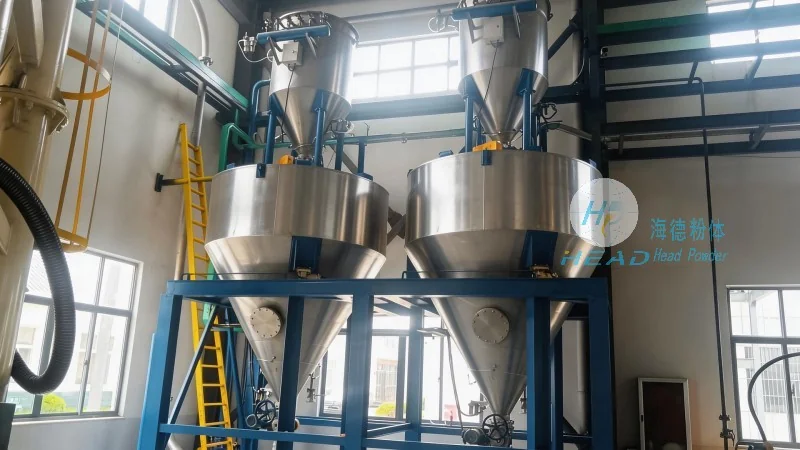
Shandong HeadPowder Engineering Co., Ltd. specializes in the design and manufacturing of acrylate rubber pneumatic conveying systems tailored to specific industrial needs. The company's expertise lies in customizing system configurations to match the unique requirements of each client, including material type, flow rate, and environmental conditions. Integration with existing production lines is seamless, as the systems can be designed to interface with existing equipment and control systems. The company's commitment to quality ensures that all components are manufactured to meet stringent industry standards, with rigorous testing for performance and durability. This approach guarantees that the systems not only meet but often exceed the operational expectations of clients in various sectors.
Conclusion and Industry Impact
Acrylate rubber pneumatic conveying systems represent a sophisticated solution for material handling challenges in modern industrial applications. Their combination of durability, chemical resistance, and operational efficiency makes them a preferred choice for industries where material integrity and system reliability are paramount. As a leader in the field, Shandong HeadPowder Engineering Co., Ltd. continues to advance the technology and application of these systems, providing tailored solutions that enhance productivity and safety in industrial operations. The ongoing development and refinement of acrylate rubber materials further solidify their role as a reliable and effective component in the material handling industry.