

Introduction to Potato Pneumatic Conveying and the Working Principle of Pneumatic Conveying Systems
HeadPowder, a leading manufacturer in the field of pneumatic conveying technology, specializes in providing efficient and reliable solutions for the transportation of bulk materials. This article introduces the concept of potato pneumatic conveying and explains the fundamental working principles of pneumatic conveying systems, highlighting the benefits and applications in agricultural processing.
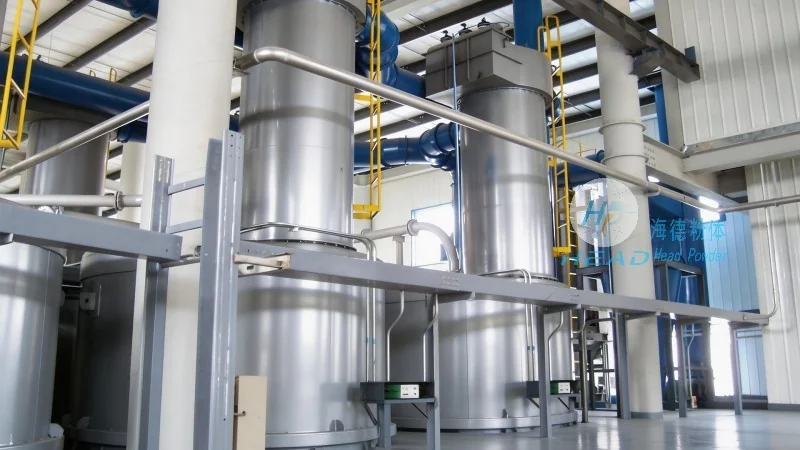
Understanding Pneumatic Conveying Systems
Pneumatic conveying systems utilize air or other gases to transport bulk materials such as grains, powders, and, in this case, potatoes. The technology operates by creating a pressure differential between the inlet and outlet of the system, which allows the material to be moved through a pipeline. There are two primary types of pneumatic conveying: pressure and vacuum systems. Pressure systems use compressed air to push the material forward, while vacuum systems use a vacuum to pull the material into the system.
The Working Principle of Potato Pneumatic Conveying
For potato pneumatic conveying, the process typically begins with the loading of potatoes into a hopper or feeder. The material is then fed into a pipeline where it is mixed with air or a carrier gas. The air flow, controlled by a blower or compressor, propels the potatoes through the pipeline to the discharge point. The system may include components such as a rotary valve, a filter, and a silencer to ensure smooth operation and maintain material quality. The design of the system is crucial to prevent material degradation, such as bruising or crushing, which can occur if the velocity of the air is too high or the pipeline is too long.
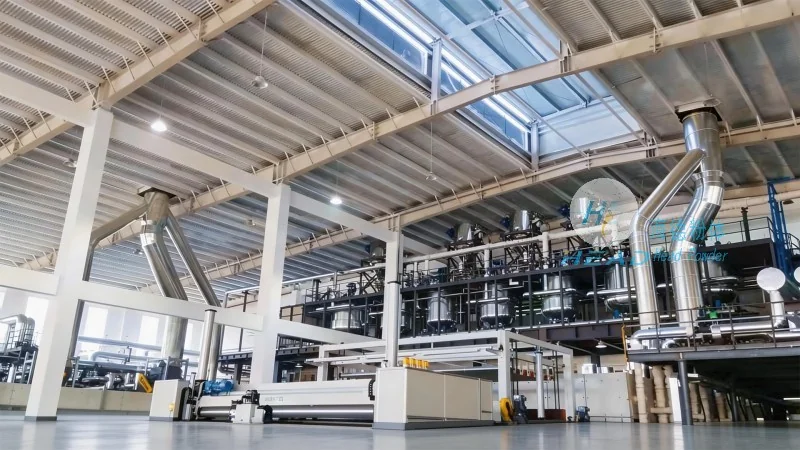
Key Components of a Pneumatic Conveying System for Potatoes
Several key components are essential for the effective operation of a potato pneumatic conveying system. The first is the feeder or hopper, which ensures a consistent flow of potatoes into the system. The feeder may be a rotary valve or a screw conveyor, depending on the system design. The second component is the blower or compressor, which provides the necessary air pressure to move the material. The pipeline itself is typically made of stainless steel or other corrosion-resistant materials to withstand the abrasive nature of potatoes and to maintain hygiene standards. A filter is also included to remove any dust or debris from the air before it is released into the environment. Finally, a silencer is used to reduce noise levels, as pneumatic conveying systems can be quite loud.
Benefits of Using Pneumatic Conveying for Potatoes
Implementing a pneumatic conveying system for potato transportation offers several advantages over traditional methods such as belt conveyors or bucket elevators. One of the primary benefits is the ability to transport potatoes over long distances without the need for multiple transfer points. This reduces the risk of damage and improves overall efficiency. Additionally, pneumatic conveying systems are more hygienic and easier to clean, which is critical in food processing applications. The system also allows for better control over the temperature and moisture content of the potatoes, helping to preserve their quality. Finally, the system is more energy-efficient compared to other methods, as it uses less power to move the material.
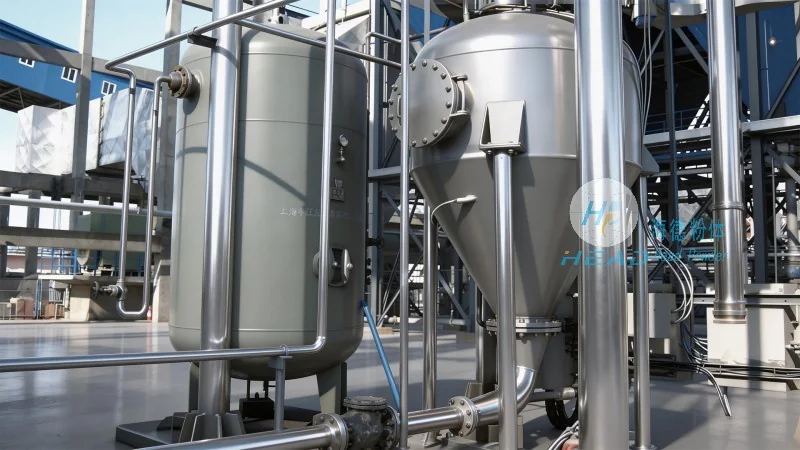
Applications of Potato Pneumatic Conveying
Potato pneumatic conveying systems are widely used in various stages of the potato processing industry. They are commonly employed in farms to transport harvested potatoes from the field to storage facilities. In processing plants, the system is used to move potatoes from storage to washing and peeling equipment. The system can also be used to transport potatoes to packaging lines or to other processing units such as slicing or frying operations. The versatility of the system makes it suitable for a wide range of applications, from small-scale farms to large industrial processing facilities.
Conclusion
HeadPowder, with its expertise in pneumatic conveying technology, provides high-quality potato pneumatic conveying systems that meet the needs of the agricultural and food processing industries. By understanding the working principles and key components of these systems, users can make informed decisions about implementing efficient and reliable potato transportation solutions. The benefits of pneumatic conveying, including improved efficiency, reduced damage, and enhanced hygiene, make it an attractive option for potato processing operations.