

Introduction to Coated Sand Pneumatic Conveying and the Working Principle of Pneumatic Conveying Sys
Coated sand is a crucial material in modern foundry processes, and its efficient handling is essential for maintaining production efficiency and quality. Pneumatic conveying systems offer a reliable and effective solution for transporting coated sand, ensuring smooth material flow from storage to processing equipment. This article provides an overview of coated sand pneumatic conveying systems, detailing their working principles and key components.
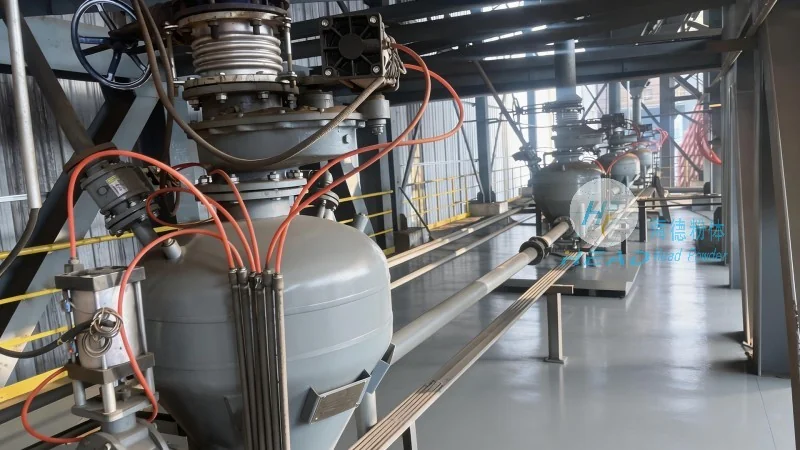
Understanding Coated Sand and Its Importance in Foundry Operations
Coated sand, also known as coated foundry sand, is a type of sand used in the casting industry. It is typically made by mixing sand with a binder and a coating material, which enhances its properties such as strength, wear resistance, and surface finish. The coating process improves the sand's performance, making it suitable for complex casting applications. In foundry operations, the efficient handling of coated sand is critical because it directly impacts the quality of the final castings and the overall productivity of the manufacturing process.
The Working Principle of Pneumatic Conveying Systems
Pneumatic conveying systems use air or gas to transport bulk materials like coated sand through a pipeline. The system operates by creating a pressure differential between the inlet and outlet of the conveying line. Air is introduced into the system, and the material is drawn or pushed through the pipeline using the air flow. The working principle involves several key steps: material feeding, air introduction, conveying, and discharge. The system can be either pressure or vacuum-based, depending on the application requirements. Pressure systems use compressed air to push the material, while vacuum systems use suction to draw the material. The choice between pressure and vacuum depends on factors such as material characteristics, distance, and system layout.
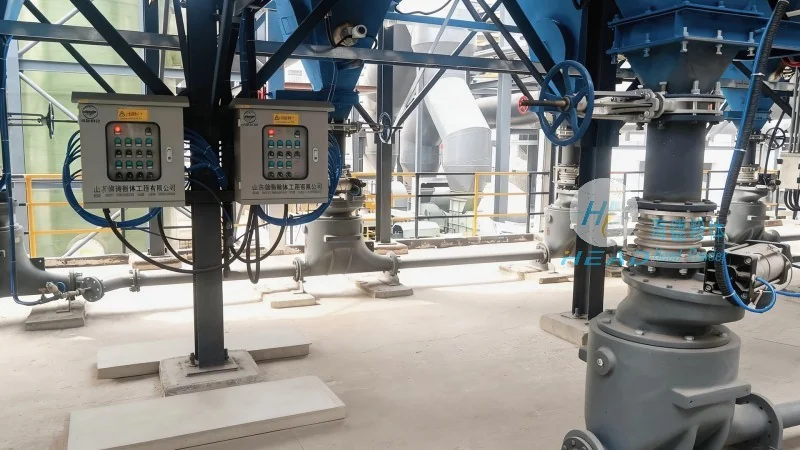
Key Components of a Coated Sand Pneumatic Conveying System
A typical coated sand pneumatic conveying system consists of several essential components that work together to ensure efficient material transport. The main components include a hopper or feeder for material storage and feeding, a conveying line (pipeline) to transport the material, a blower or compressor to provide the air flow, a control system to regulate the air pressure and flow rate, and a discharge device to release the material at the destination. Each component plays a vital role in the overall operation of the system. The hopper ensures a consistent supply of coated sand, while the conveying line provides the path for the material. The blower or compressor generates the necessary air pressure to move the material through the pipeline. The control system monitors and adjusts the air flow to maintain optimal conveying conditions. The discharge device ensures that the material is released safely and efficiently at the receiving point.
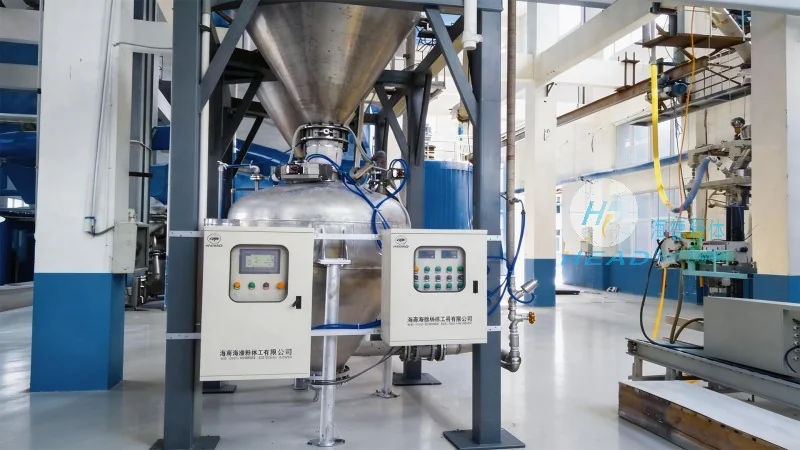
Advantages of Using Pneumatic Conveying for Coated Sand
There are several advantages to using pneumatic conveying systems for coated sand transportation. One of the primary benefits is the ability to handle abrasive materials without causing excessive wear on equipment. Pneumatic systems are also flexible, allowing for changes in the conveying route or capacity without major modifications. Additionally, these systems can operate in a closed environment, reducing dust emissions and improving workplace safety. The efficiency of pneumatic conveying also contributes to lower energy consumption compared to other material handling methods. Furthermore, the system can be integrated with other foundry equipment, such as mixers and molding machines, to create a seamless production line. These advantages make pneumatic conveying an ideal solution for coated sand handling in modern foundries.
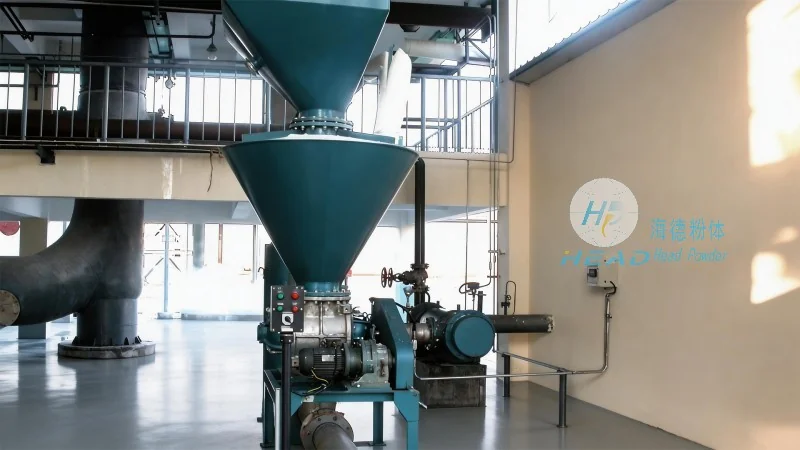
Applications of Coated Sand Pneumatic Conveying Systems
Coated sand pneumatic conveying systems are widely used in various foundry applications. They are commonly employed in the transportation of coated sand from storage silos to molding lines, ensuring a continuous supply of material for casting operations. The systems are also used in the handling of return sand, which is collected from the molding process and returned to the mixing system. This recycling process helps to reduce material waste and lower production costs. Additionally, pneumatic conveying systems are used in the transport of coated sand to finishing equipment, such as shot blasting machines, for surface treatment of castings. The versatility of these systems makes them suitable for a wide range of foundry applications, from small-scale operations to large industrial foundries.
Company Profile: Shandong HeadPowder Engineering Co., Ltd.
Shandong HeadPowder Engineering Co., Ltd., operating under the brand name headpowder, is a leading provider of engineering solutions for material handling and processing. The company specializes in the design, manufacturing, and installation of pneumatic conveying systems, including those for coated sand applications. With a strong focus on quality and innovation, headpowder delivers reliable and efficient systems that meet the specific needs of foundry operations. The company's headquarters is located in Shandong, China, where it has established a robust presence in the industry. headpowder's team of experienced engineers and technicians work closely with clients to understand their requirements and provide tailored solutions. The company adheres to international standards and uses advanced technology to ensure the performance and durability of its systems. By partnering with headpowder, foundries can enhance their material handling capabilities and improve overall production efficiency.