

Introduction to Calcium Carbonate Pneumatic Conveying and the Working Principle of Pneumatic Conveyi
At Shandong HeadPowder Engineering Co., Ltd., we specialize in providing advanced pneumatic conveying solutions for industrial applications, including the efficient handling of calcium carbonate. This article provides an overview of calcium carbonate pneumatic conveying systems, detailing their working principles and benefits. Calcium carbonate, a versatile mineral widely used in industries such as paper, plastics, and construction, often requires reliable transportation methods to maintain product quality and operational efficiency. Pneumatic conveying systems offer a superior alternative to traditional mechanical conveyors, providing a closed-loop system that minimizes dust exposure and ensures consistent material transport.
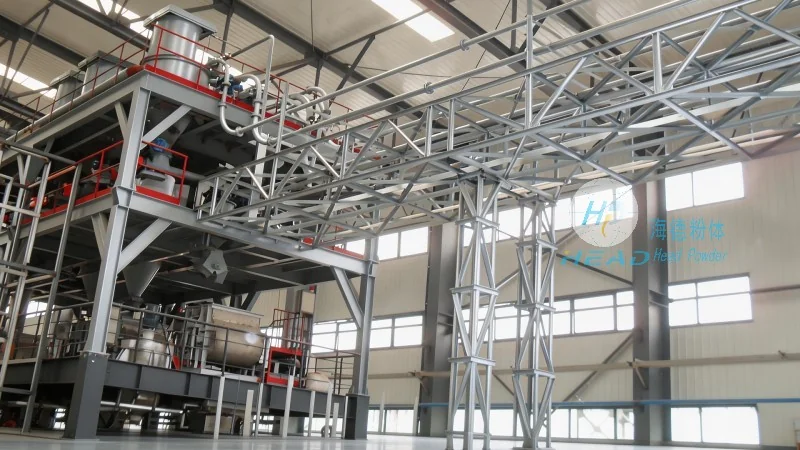
Working Principle of Pneumatic Conveying Systems
The core mechanism of a pneumatic conveying system involves the use of air or gas to transport bulk materials through a pipeline. In the case of calcium carbonate, the system typically operates by creating a pressure differential between the inlet and outlet of the conveying line. A blower or compressor generates the necessary airflow, which draws the calcium carbonate powder into the system via a hopper or feed mechanism. The material is then carried through the pipeline by the moving air stream, often in a dilute-phase or dense-phase mode, depending on the system design and material characteristics. The system may include components such as a filter, cyclone separator, or rotary valve to control the flow and ensure proper material discharge at the destination. This process allows for continuous, automated handling of calcium carbonate, reducing manual labor and improving operational efficiency.
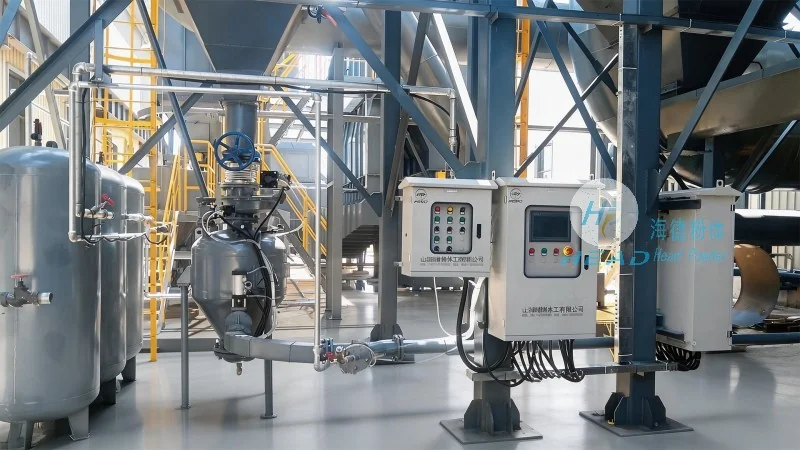
Key Components and Their Functions in Pneumatic Conveying
Several critical components work in tandem to ensure the effective operation of a calcium carbonate pneumatic conveying system. The blower or compressor serves as the power source, generating the airflow required to move the material. The hopper or feeder is responsible for feeding the calcium carbonate powder into the system, often equipped with a rotary valve to control the flow rate and prevent material buildup. The pipeline network connects the various components, including the conveying line, filter, and separator, to create a closed loop for material transport. The filter and cyclone separator are essential for maintaining air quality and separating the calcium carbonate from the air stream, ensuring that the material is delivered in a clean and dry state. Additionally, the system may include pressure relief valves and flow meters to monitor and regulate the pressure and flow rates, enhancing safety and operational control.
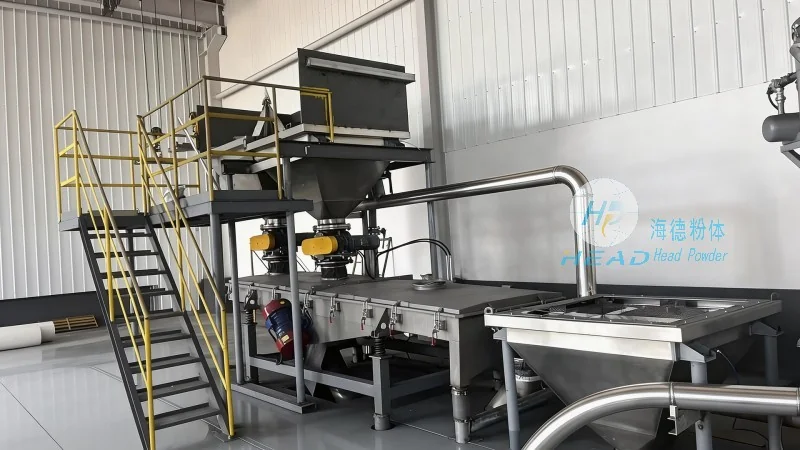
Benefits of Using Pneumatic Conveying for Calcium Carbonate
Implementing a pneumatic conveying system for calcium carbonate offers numerous advantages over traditional methods such as bucket elevators or belt conveyors. One of the primary benefits is the reduction of dust and contamination, as the material is transported in a sealed environment. This not only improves workplace safety but also maintains the purity of the calcium carbonate, which is crucial for applications in industries like paper, plastics, and construction. Another significant advantage is the ability to handle materials with high moisture content or sticky properties, as the air stream helps to keep the material dry and free-flowing. The system also provides flexibility in terms of layout, allowing for horizontal, vertical, or inclined transport paths, which can optimize space utilization in industrial facilities. Furthermore, pneumatic conveying systems are generally more energy-efficient compared to mechanical conveyors, as they require less maintenance and can operate at lower speeds, reducing energy consumption over time.
Applications of Calcium Carbonate Pneumatic Conveying
Calcium carbonate pneumatic conveying systems are widely used in various industries due to their versatility and efficiency. In the paper industry, these systems are employed to transport calcium carbonate filler into paper machines, ensuring consistent quality and uniform distribution of the material. The plastics industry utilizes pneumatic conveying for adding calcium carbonate to polymer blends, enhancing the mechanical properties and reducing material costs. In the construction sector, the system is used to transport calcium carbonate for cement production or as a filler in concrete, improving the strength and durability of the final product. Additionally, the food and pharmaceutical industries may use pneumatic conveying for handling calcium carbonate in food supplements or as a filler in tablets, where maintaining product purity and preventing contamination is paramount. The adaptability of the system to different material types and processing requirements makes it a preferred choice for many applications.
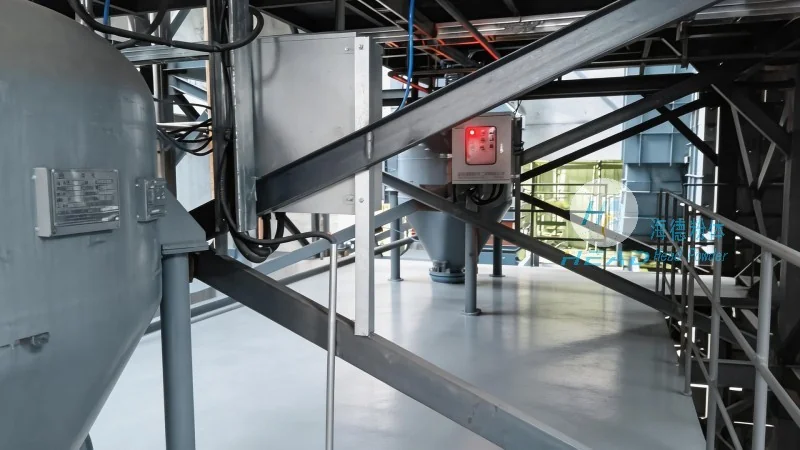
Considerations for Designing a Calcium Carbonate Pneumatic Conveying System
When designing a pneumatic conveying system for calcium carbonate, several factors must be considered to ensure optimal performance and longevity. The first consideration is the material characteristics, including particle size, density, and flowability. These properties influence the system design, such as the choice between dilute-phase or dense-phase conveying, as well as the required airflow rate. The system layout and pipeline configuration are also critical, as they affect the pressure drop and energy consumption. The selection of components, including the blower type, filter capacity, and separator efficiency, must be tailored to the specific application to achieve the desired performance. Additionally, safety considerations, such as explosion-proof designs for the blower and proper ventilation, are essential, especially when handling materials that may be flammable or produce dust. Regular maintenance and monitoring of the system are also important to prevent downtime and ensure consistent operation. By carefully evaluating these factors, manufacturers can design a pneumatic conveying system that effectively handles calcium carbonate while meeting operational and safety requirements.