

Introduction to Potassium Chloride Pneumatic Conveying and the Working Principle of Pneumatic Convey
HeadPowder, a leading engineering company based in Shandong, China, specializes in the design and implementation of advanced material handling solutions. Among their expertise lies the efficient and reliable transport of bulk materials such as potassium chloride through pneumatic conveying systems. This article provides an overview of potassium chloride pneumatic conveying, detailing the fundamental principles and operational aspects of these systems.

Potassium Chloride and Its Handling Challenges
Potassium chloride (KCl) is a widely used industrial chemical, essential in agriculture, food processing, and chemical manufacturing. Handling this material efficiently is crucial for maintaining production efficiency and ensuring product quality. Traditional methods like belt conveyors or bucket elevators may face challenges with dust generation, material degradation, or operational complexity when dealing with potassium chloride. Pneumatic conveying offers a solution by utilizing air to transport the material, minimizing contact with equipment and reducing the risk of contamination.
The Core Components of a Pneumatic Conveying System
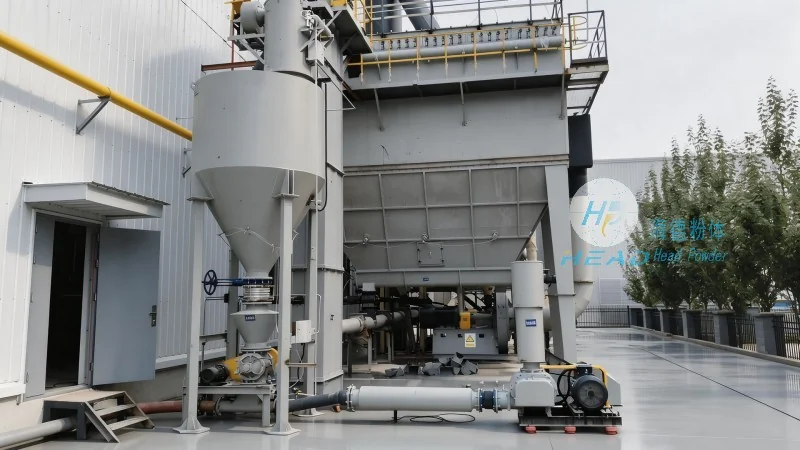
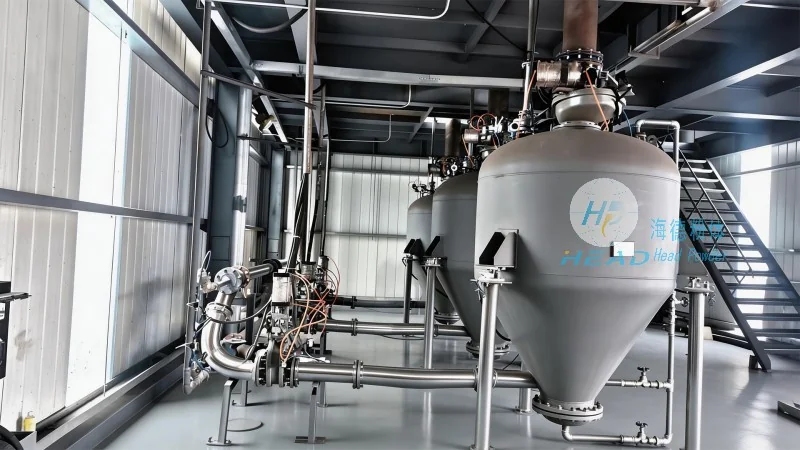
A pneumatic conveying system for potassium chloride typically consists of several key components that work in tandem to ensure smooth material transport. The primary elements include a hopper for material storage, a feeder to control the flow rate, a conveying line (usually a pipe) where the material is propelled by air, a dust collector to capture any airborne particles, and a receiver for the delivered material. Each component plays a vital role in maintaining the system's efficiency and safety.
Working Principle of Pneumatic Conveying
The operation of a pneumatic conveying system for potassium chloride relies on the principle of air flow. In a typical system, material is fed from the hopper into the conveying line as air is introduced at a controlled pressure. The air velocity is maintained above the material's terminal velocity, ensuring that the particles are suspended and transported through the pipe. This process can be either positive pressure (where air is blown into the system) or negative pressure (where air is drawn out). The choice of system type depends on factors such as the distance, material characteristics, and desired throughput.
Advantages of Pneumatic Conveying for Potassium Chloride
Implementing a pneumatic conveying system for potassium chloride offers several advantages over traditional handling methods. Firstly, it provides a dust-free environment, which is critical for maintaining product purity and compliance with safety regulations. Secondly, the system reduces material degradation by minimizing friction and impact during transport. Thirdly, it allows for flexible and scalable solutions, adapting to varying production needs. Additionally, pneumatic conveying systems are generally low-maintenance and can handle a wide range of material sizes and moisture content, making them suitable for diverse industrial applications.
Customization and Integration by HeadPowder
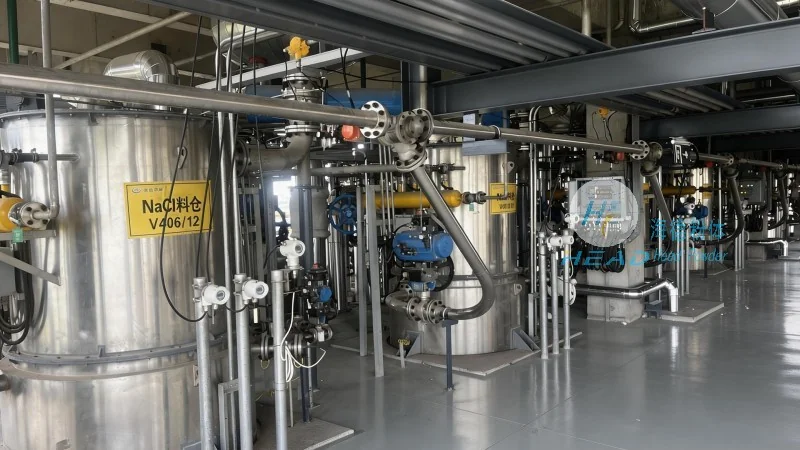
HeadPowder Engineering Co., Ltd. specializes in tailoring pneumatic conveying systems to meet the specific requirements of potassium chloride handling. Their expertise lies in designing systems that optimize material flow, energy efficiency, and operational safety. By integrating advanced control systems and monitoring technologies, HeadPowder ensures that the conveying process is efficient and reliable. The company's team of engineers works closely with clients to understand their unique needs, from initial design and installation to ongoing maintenance and support. This customized approach ensures that the final system not only meets but exceeds industry standards for performance and durability.
Conclusion
Pneumatic conveying systems represent a sophisticated solution for the efficient transport of potassium chloride, offering numerous benefits over conventional methods. With its ability to handle bulk materials with minimal dust and degradation, this technology is increasingly adopted in industries where material purity and operational efficiency are paramount. HeadPowder Engineering Co., Ltd., with its expertise and commitment to quality, provides comprehensive solutions for potassium chloride pneumatic conveying, helping clients achieve their production goals while maintaining the highest standards of safety and performance.