

Introduction to PP Pellet Pneumatic Conveying and the Working Principle of Pneumatic Conveying Syste
HeadPowder, a leading engineering company based in Shandong, China, specializes in the design, manufacturing, and installation of advanced pneumatic conveying systems. This article provides an overview of pneumatic conveying for PP (polypropylene) pellets, detailing the fundamental principles and operational mechanisms that enable efficient material transport in industrial settings.

Understanding Pneumatic Conveying for PP Pellets
Polypropylene (PP) pellets are widely used in various manufacturing processes due to their versatility and durability. However, transporting these lightweight, free-flowing materials efficiently can be challenging. Pneumatic conveying offers a reliable solution by utilizing air or gas to move PP pellets through a closed system, eliminating the need for mechanical components like belts or buckets that may cause contamination or wear.
The Working Principle of Pneumatic Conveying Systems
Pneumatic conveying systems operate on the principle of creating a pressure differential to move materials. There are two primary types: pressure and vacuum systems. In a pressure system, air is compressed and forced through the conveying line, carrying the PP pellets from the source to the destination. Conversely, vacuum systems use a vacuum pump to draw air and material through the line, typically from a lower to a higher elevation. The choice between pressure and vacuum depends on factors such as the distance, elevation change, and material characteristics.
Key Components of a Pneumatic Conveying System
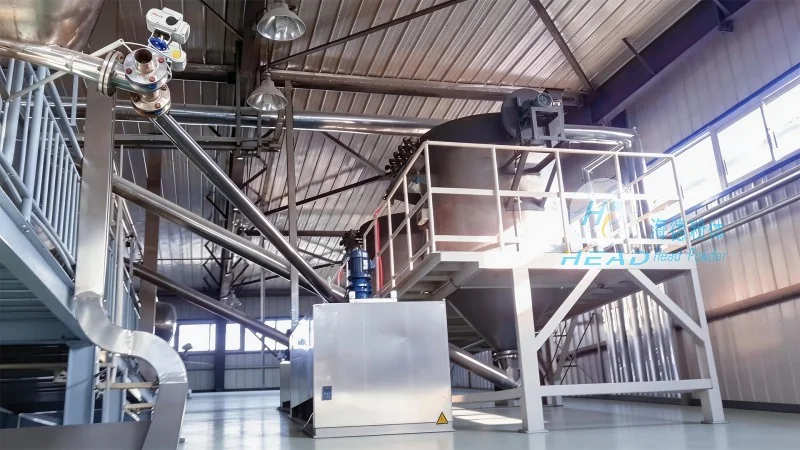
A typical pneumatic conveying system for PP pellets includes several critical components. The feed hopper is used to store and feed the pellets into the system. The conveying line is where the material travels, often made of stainless steel or other corrosion-resistant materials to handle the abrasive nature of PP pellets. The air compressor or vacuum pump provides the necessary pressure or vacuum to move the material. Additionally, filters and cyclones are essential for separating the pellets from the air stream, ensuring clean material delivery and preventing dust accumulation in the system.
Advantages of Pneumatic Conveying for PP Pellets
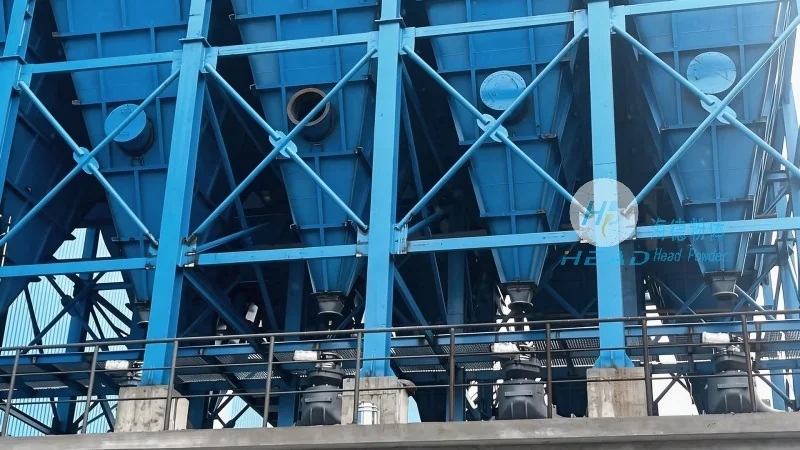
Implementing pneumatic conveying for PP pellets offers numerous benefits. Firstly, it provides a hygienic and clean transport method, as the system is enclosed, reducing the risk of contamination from external sources. Secondly, it enables continuous and automated operation, improving production efficiency and reducing labor costs. Thirdly, the system is flexible and scalable, allowing for adjustments in capacity and layout to accommodate changing production needs. Finally, pneumatic conveying minimizes product degradation by avoiding mechanical friction and impact, which is crucial for maintaining the quality of PP pellets.
Applications in Industrial Settings
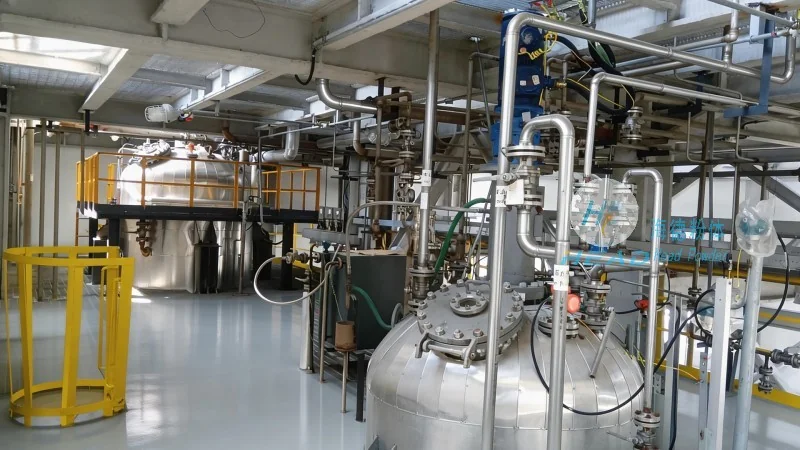
Pneumatic conveying systems are widely used in industries that handle PP pellets, including plastics manufacturing, chemical processing, and food processing. In plastics manufacturing, these systems efficiently transport PP pellets from storage silos to extrusion lines, ensuring a steady supply of material for production. In chemical processing, they are used to move PP pellets between processing stages, such as drying or mixing, while maintaining product integrity. The versatility of pneumatic conveying makes it an ideal solution for various industrial applications where reliable and efficient material transport is essential.
Conclusion
HeadPowder's expertise in pneumatic conveying systems ensures that industrial facilities can effectively handle PP pellets with minimal downtime and maximum efficiency. By understanding the working principles and key components of these systems, businesses can optimize their material transport processes, leading to improved productivity and cost savings. As a trusted provider based in Shandong, China, HeadPowder continues to deliver high-quality pneumatic conveying solutions tailored to the specific needs of its clients.