

Classification and Application Analysis of Cocoa Pneumatic Conveying Systems
As a key component in the cocoa processing industry, pneumatic conveying systems play a crucial role in transporting cocoa beans and other related materials efficiently. These systems utilize air pressure or vacuum to move bulk materials through pipelines, offering advantages such as reduced contamination, improved hygiene, and enhanced operational flexibility. Understanding the classification and application of these systems is essential for optimizing production processes and ensuring consistent quality in cocoa processing facilities.
Classification of Cocoa Pneumatic Conveying Systems
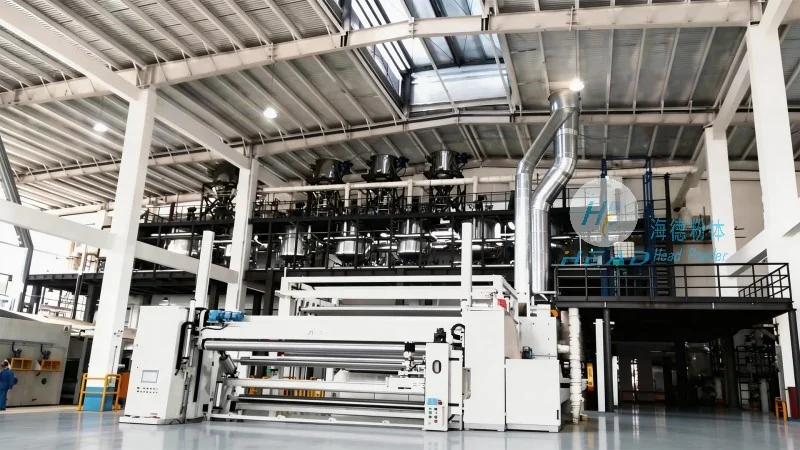
Cocoa pneumatic conveying systems can be broadly categorized based on the operating principle and design. The primary types include positive pressure systems, negative pressure systems, and mixed pressure systems. Positive pressure systems, also known as pressure conveying systems, use compressed air to push materials forward through the pipeline. This method is suitable for long-distance and high-capacity transport, as it can handle large volumes of cocoa beans with minimal pressure drop. Negative pressure systems, or vacuum conveying systems, use a vacuum to draw materials into the pipeline. These systems are ideal for short-distance transport and are commonly used in applications where gentle handling is required to prevent product damage. Mixed pressure systems combine elements of both positive and negative pressure, offering flexibility in handling different material characteristics and pipeline configurations.
Key Components and Working Principles
Regardless of the classification, most cocoa pneumatic conveying systems consist of several core components. These include a material feed hopper, a conveying pipeline, a rotary airlock or feeder, a dust collector, and a control system. The material feed hopper is responsible for storing and feeding the cocoa beans into the system. The rotary airlock ensures a controlled and continuous flow of materials into the pipeline, preventing backflow and maintaining system pressure. The conveying pipeline, typically made of stainless steel or other corrosion-resistant materials, transports the cocoa beans through the system. A dust collector is often integrated to capture and filter any airborne particles, ensuring compliance with environmental regulations and maintaining a clean working environment. The control system monitors and regulates the operation of the system, adjusting parameters such as air pressure, flow rate, and material feed rate to optimize performance.
Applications in Cocoa Processing
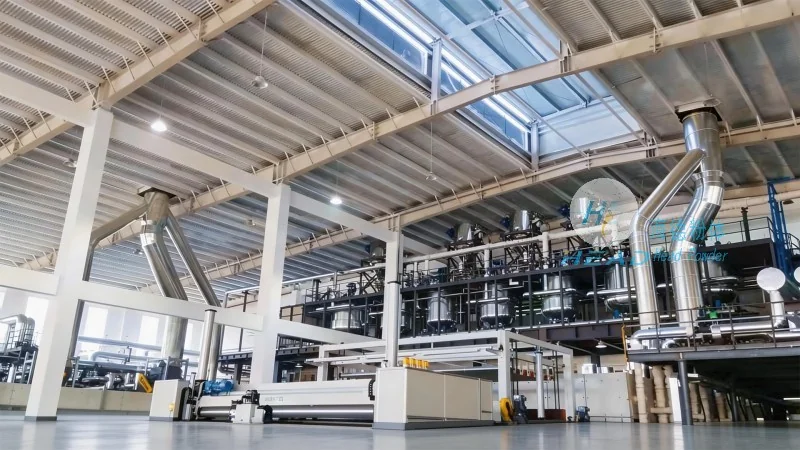
The application of cocoa pneumatic conveying systems varies across different stages of cocoa processing. In the initial receiving and storage phase, these systems are used to transport cocoa beans from storage silos or trucks to processing equipment. This ensures a smooth and continuous supply of raw materials, reducing downtime and improving overall efficiency. During the roasting process, pneumatic conveying can be used to move roasted beans from the roaster to the next stage of processing, such as grinding or fermentation. The gentle handling provided by these systems helps preserve the flavor and aroma of the roasted beans, which is critical for maintaining product quality. In the grinding and conching stages, pneumatic conveying systems are employed to transport ground cocoa mass or cocoa butter to mixing tanks or storage vessels. This allows for precise control over the mixing process, ensuring uniform consistency and flavor development. Additionally, these systems can be used in quality control and packaging stages to transport finished cocoa products, such as cocoa powder or cocoa butter, to packaging lines.

Advantages and Considerations
Implementing cocoa pneumatic conveying systems offers several advantages in the cocoa processing industry. One of the primary benefits is the reduction of manual handling, which minimizes the risk of product contamination and improves workplace safety. The enclosed pipeline system also helps maintain a clean and hygienic environment, which is essential for meeting food safety standards. Additionally, these systems can handle a wide range of material characteristics, including different particle sizes, moisture content, and bulk densities, making them versatile for various cocoa processing applications. However, there are also considerations to keep in mind when selecting and operating these systems. Proper system design and maintenance are crucial to prevent blockages and ensure efficient operation. The selection of appropriate materials for the pipeline and components is important to avoid corrosion or wear from cocoa bean particles. Additionally, energy consumption should be considered, as pneumatic conveying systems can be energy-intensive, especially for long-distance transport. Regular maintenance, including cleaning and inspection of components, is necessary to ensure optimal performance and longevity of the system.
About Shandong HeadPowder Engineering Co., Ltd.
Shandong HeadPowder Engineering Co., Ltd., operating under the brand name headpowder, is a leading provider of specialized engineering solutions for the food processing industry. With a focus on innovation and quality, the company designs, manufactures, and supplies advanced pneumatic conveying systems tailored to the specific needs of cocoa processing facilities. HeadPowder's expertise lies in understanding the unique challenges of cocoa processing, such as handling delicate beans and maintaining product integrity. The company's team of engineers and technicians work closely with clients to develop customized solutions that enhance operational efficiency, reduce costs, and improve product quality. HeadPowder is committed to providing reliable and durable equipment that meets the highest industry standards, ensuring long-term performance and customer satisfaction. With its headquarters in Shandong, China, the company serves clients globally, delivering tailored solutions for various food processing applications.