

Introduction to Potash Fertilizer Pneumatic Conveying and the Working Principle of Pneumatic Conveyi
For those in the agricultural and chemical industries, understanding the efficient and reliable methods of transporting bulk materials like potash fertilizer is crucial. Pneumatic conveying systems have emerged as a key technology in modern material handling, offering a solution that combines efficiency with safety. This article provides an overview of potash fertilizer pneumatic conveying, detailing the working principles and applications of such systems.
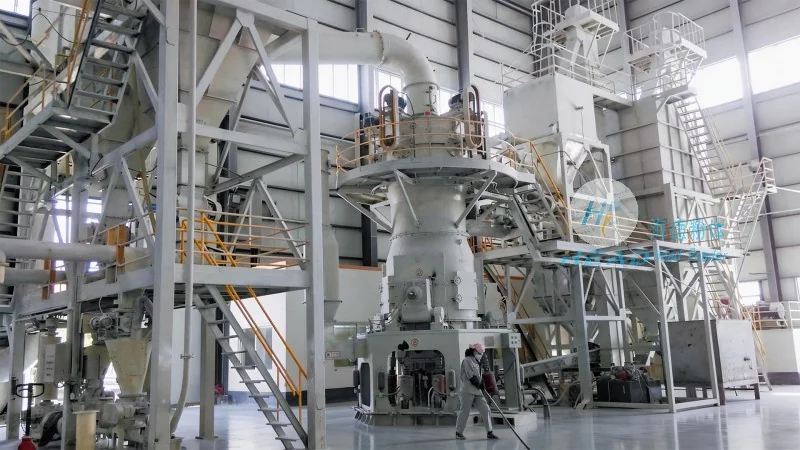
Potash Fertilizer and the Need for Advanced Conveying Solutions
Potash, a vital component in modern agriculture, is essential for crop growth and soil health. It is typically found in the form of potassium chloride (KCl) or sulfate, and its bulk handling requires specialized equipment to ensure minimal loss and maximum efficiency. Traditional methods such as belt conveyors or bucket elevators may not always meet the demands of high-volume, dust-free, and safe transportation. This is where pneumatic conveying systems step in, providing a flexible and effective solution for moving potash fertilizer from storage to processing or distribution centers.
HeadPowder Engineering: A Leader in Pneumatic Conveying Systems
At Shandong HeadPowder Engineering Co., Ltd., we specialize in designing, manufacturing, and implementing advanced pneumatic conveying solutions tailored to the unique needs of the fertilizer industry. Our company, often referred to as HeadPowder, is headquartered in Shandong, China, and has built a reputation for delivering high-quality, reliable systems that enhance operational efficiency and reduce downtime. With years of experience in the field, our team of engineers and technicians works closely with clients to understand their specific requirements and develop customized solutions that meet industry standards and regulatory requirements.
The Working Principle of Pneumatic Conveying Systems
Pneumatic conveying systems operate by using air or gas to transport bulk materials through a network of pipes. There are two primary types of pneumatic conveying systems: positive pressure and negative pressure. In positive pressure systems, air is blown into the conveying line, creating a pressure higher than the ambient air, which pushes the material forward. This method is ideal for long-distance and high-volume transport, as it can handle a wide range of materials, including abrasive or corrosive substances like potash fertilizer.
Negative pressure systems, on the other hand, use suction to draw material into the conveying line. The air is pulled through the system, creating a vacuum that pulls the material along. This approach is often used for shorter distances or when the material needs to be transported from multiple sources to a central collection point. Both systems have their advantages and are chosen based on factors such as the material's properties, the distance to be covered, and the required throughput.
Key Components and Their Functions in Pneumatic Conveying
At the heart of any pneumatic conveying system are several key components that work in tandem to ensure smooth and efficient operation. These include the hopper or feeder, which holds the material and feeds it into the conveying line; the air compressor or vacuum pump, which provides the necessary pressure or suction; the conveying line, typically made of stainless steel or other corrosion-resistant materials to handle the abrasive nature of potash; and the control system, which regulates the flow of material and air to maintain optimal performance.
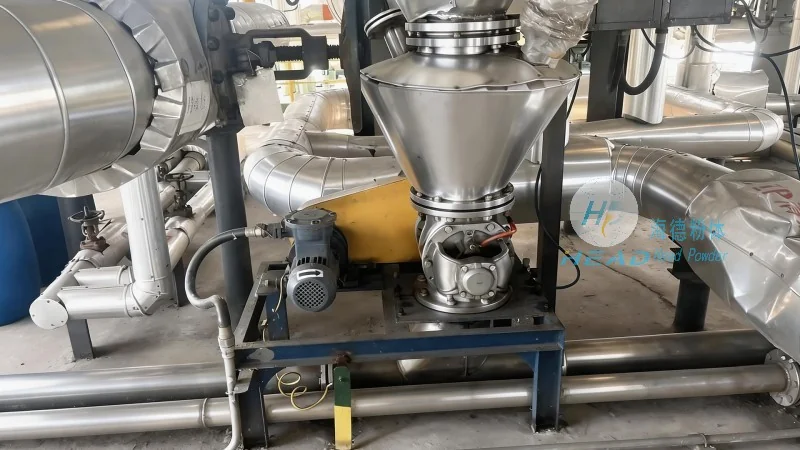
For potash fertilizer, the choice of materials for the conveying line is critical. Stainless steel is commonly used due to its resistance to corrosion and abrasion, ensuring a long service life and minimal maintenance. The hopper and feeder are designed to prevent material buildup and ensure a consistent flow, which is essential for maintaining system efficiency. The air compressor or vacuum pump is selected based on the required pressure or suction level, and the system's capacity, ensuring that it can handle the volume of potash being transported without overloading or underperforming.
Benefits of Pneumatic Conveying for Potash Fertilizer Handling
Implementing a pneumatic conveying system for potash fertilizer offers numerous benefits that contribute to improved operational performance and cost savings. One of the most significant advantages is the reduction in material loss and contamination. Unlike traditional methods that may involve manual handling or open storage, pneumatic conveying systems keep the material enclosed, minimizing dust and spillage. This not only improves safety in the workplace but also reduces the environmental impact of the operation.
Another key benefit is the increased efficiency and throughput. Pneumatic systems can handle high volumes of material at a consistent rate, reducing the time required for transportation and allowing for better scheduling of production and distribution activities. This leads to improved productivity and reduced labor costs, as the system can operate continuously without the need for frequent manual intervention.
Furthermore, pneumatic conveying systems offer greater flexibility in terms of layout and integration with existing facilities. The ability to route the conveying line vertically, horizontally, or at various angles makes it easier to adapt to the specific layout of a plant or warehouse. This flexibility allows for the optimization of space and the integration of the system with other processing equipment, such as mixers or granulators, to create a seamless material handling process.
Applications and Use Cases in the Fertilizer Industry
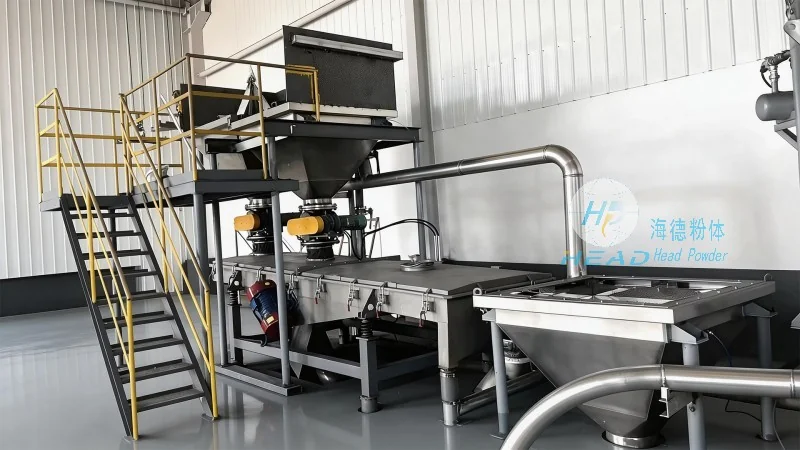
Pneumatic conveying systems are widely used in the fertilizer industry for various applications, from raw material handling to finished product distribution. In the case of potash fertilizer, the system is often used to transport the material from storage silos to processing equipment, such as granulators or mixers. It can also be used to move the finished product from the processing line to packaging and storage areas. The versatility of pneumatic conveying makes it suitable for both new installations and retrofits, allowing existing facilities to upgrade their material handling capabilities without major disruptions.
For example, in a potash fertilizer plant, the system may start with a hopper that feeds the raw potash into a positive pressure conveying line. The line may run vertically to the top of the plant, where the material is then transferred to a mixer or granulator. The system can then be configured to transport the finished product to a packaging line or storage silo. This integrated approach ensures that the material is handled efficiently from the raw stage to the final product, minimizing waste and maximizing productivity.
Customization and Engineering Solutions by HeadPowder
At HeadPowder Engineering, we understand that every fertilizer plant has unique requirements. That's why we offer customized pneumatic conveying solutions that are tailored to the specific needs of our clients. Our engineering team works closely with clients to assess their current operations, identify bottlenecks, and develop a system that meets their performance and budgetary goals. We consider factors such as the type of potash fertilizer being handled, the required throughput, the distance to be covered, and the existing infrastructure to design a system that is both efficient and cost-effective.
Our customization process begins with a thorough site survey and consultation with the client's operations team. We then develop a detailed design, including the selection of components, the layout of the conveying line, and the control system. We provide comprehensive technical documentation and support throughout the installation and commissioning phase, ensuring that the system is installed correctly and operates as intended. After installation, we offer ongoing maintenance and support services to ensure the long-term reliability and performance of the system.
Conclusion: The Future of Potash Fertilizer Handling with Pneumatic Conveying
Pneumatic conveying systems represent a significant advancement in the handling of bulk materials like potash fertilizer. By combining efficiency, safety, and flexibility, these systems offer a superior solution to traditional material handling methods. At Shandong HeadPowder Engineering Co., Ltd., we are committed to providing the highest quality pneumatic conveying systems that meet the evolving needs of the fertilizer industry. With our expertise and customized solutions, we help our clients improve their operational performance, reduce costs, and enhance their overall competitiveness in the market.