

[COLUMN] Carbon Black Pneumatic Conveying Introduction: Principles of Pneumatic Conveying Systems
Carbon black is a critical component in various industrial applications, and efficient handling of this material is essential for maintaining production efficiency and product quality. Pneumatic conveying systems offer a reliable and effective solution for transporting carbon black, and understanding the principles behind these systems is crucial for optimizing material handling processes.
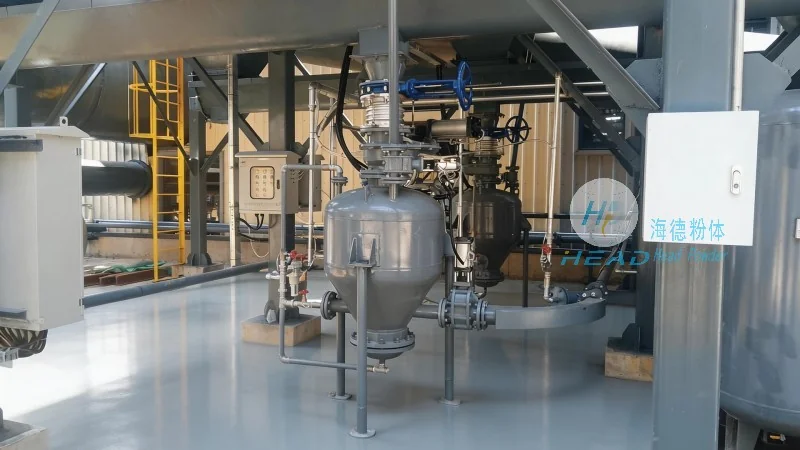
Overview of Pneumatic Conveying Systems
Pneumatic conveying systems utilize air or gas to transport bulk materials, such as carbon black, through a pipeline network. These systems are widely used in industries like rubber, plastics, and coatings due to their ability to handle fine powders without the need for mechanical components that might cause contamination or material degradation. The core components of a typical pneumatic conveying system include a material feed hopper, a conveyor line, a control valve, and a receiver or discharge point.
Working Principles of Pneumatic Conveying for Carbon Black
The operation of a carbon black pneumatic conveying system involves several key steps. First, the carbon black powder is fed into the system from a storage hopper or silo. A fan or blower then generates the necessary air pressure to move the material through the pipeline. The air and material mixture travels through the conveyor line, where the carbon black particles are suspended and transported to the destination point. At the receiving end, the air is separated from the carbon black, often using a cyclone separator or a bag filter, allowing the material to be discharged into a storage container or directly into a processing unit.
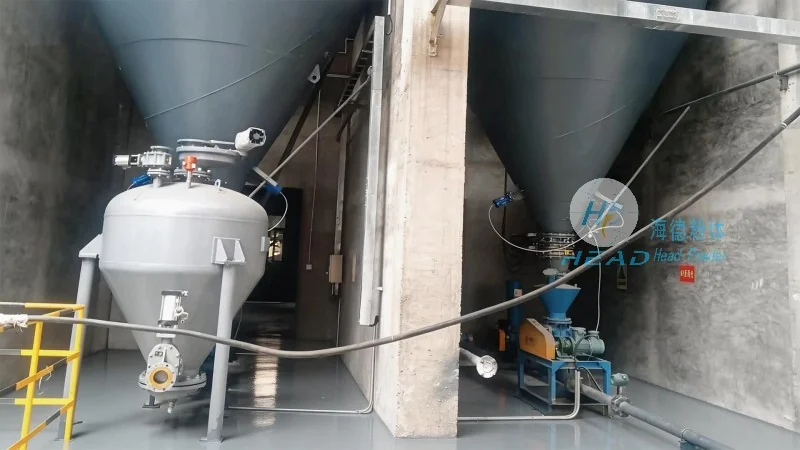
Key Components and Their Functions
Several components work together to ensure the smooth operation of a carbon black pneumatic conveying system. The material feed hopper is designed to store and feed the carbon black powder at a controlled rate, preventing blockages and ensuring consistent flow. The conveyor line, typically made of stainless steel or other corrosion-resistant materials, is equipped with appropriate fittings and valves to direct the material flow. The control valve, often a rotary valve or a slide valve, regulates the air flow and material discharge, allowing for precise control over the conveying process. The receiver or discharge point is where the carbon black is collected, and it may include features like a dust collection system to minimize environmental impact.
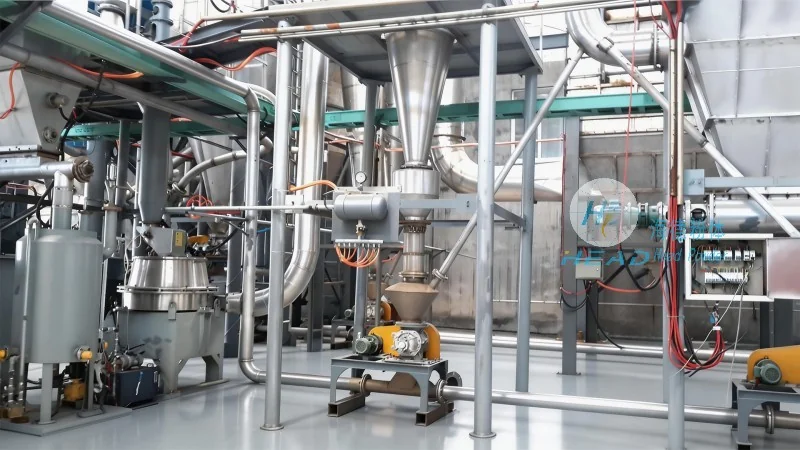
Advantages of Carbon Black Pneumatic Conveying Systems
Implementing a pneumatic conveying system for carbon black offers numerous advantages over traditional mechanical conveying methods. One of the primary benefits is the reduction of material contamination, as the system operates in a closed environment, preventing exposure to dust and other contaminants. Additionally, pneumatic conveying systems can handle fine and abrasive materials like carbon black without causing wear and tear on the equipment. The ability to control the conveying speed and pressure allows for precise material handling, which is crucial for maintaining product quality in sensitive applications. Furthermore, these systems are energy-efficient and can be designed to handle varying material flow rates, making them adaptable to different production needs.
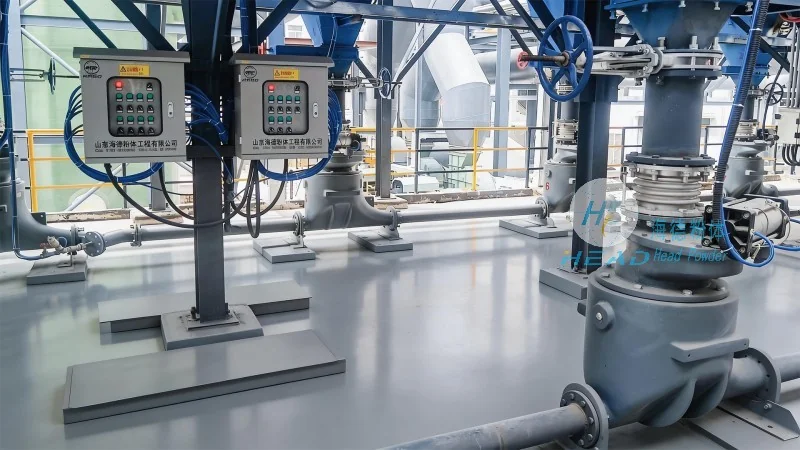
Application Examples in Industry
Carbon black pneumatic conveying systems are widely used in various industrial applications. In the rubber industry, carbon black is a key additive for reinforcing rubber compounds, and efficient conveying ensures consistent mixing and quality control. In the plastics industry, carbon black is used to enhance the UV resistance and color of plastic products, and pneumatic conveying systems help maintain the material's properties during transport. The coatings industry also relies on carbon black for pigmentation and UV protection, and these systems ensure that the material is delivered to the production line without degradation. By using a pneumatic conveying system, manufacturers can improve their production efficiency, reduce downtime, and enhance the overall quality of their products.
About Shandong HeadPowder Engineering Co., Ltd.
Shandong HeadPowder Engineering Co., Ltd. is a leading provider of specialized engineering solutions for material handling, with a focus on carbon black and other fine powders. Based in Shandong, China, the company has extensive experience in designing and manufacturing pneumatic conveying systems tailored to the unique needs of various industries. HeadPowder Engineering combines advanced technology with expert engineering to deliver reliable and efficient solutions that meet the highest standards of performance and safety. The company's commitment to quality and customer satisfaction has made it a trusted partner for businesses seeking to optimize their material handling processes.