

Introduction to Dry Sand Pneumatic Conveying and the Working Principle of Pneumatic Conveying System
For industries dealing with bulk materials, efficient material handling is crucial for operational efficiency and cost-effectiveness. Among the various methods available, pneumatic conveying systems have emerged as a versatile and effective solution for transporting dry powders and granular materials. This article provides an overview of dry sand pneumatic conveying, detailing the working principles and applications of such systems, while highlighting the expertise of Shandong HeadPowder Engineering Co., Ltd. in this field.
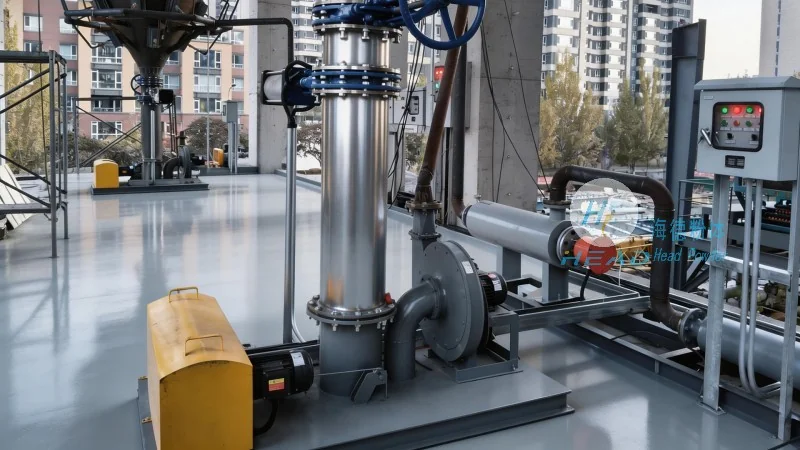
Understanding Pneumatic Conveying Systems
Pneumatic conveying systems utilize air or gas to transport bulk materials through a pipeline network. These systems are widely used in industries such as pharmaceuticals, food processing, chemical manufacturing, and mining, where the need to move dry powders and granules without contamination or degradation is paramount. The core components of a typical pneumatic conveying system include a material feed hopper, a conveying line, a pressure or vacuum source, and a discharge unit. The system operates by creating a pressure differential or using vacuum to draw or push the material through the pipeline, ensuring a continuous and controlled flow.
Key Components of a Pneumatic Conveying System
The effectiveness of a pneumatic conveying system depends on the proper integration of several key components. The material feed hopper is responsible for storing and feeding the dry sand or other bulk materials into the system. It often includes a feeder mechanism, such as a rotary valve or a screw feeder, to regulate the material flow rate. The conveying line, typically made of stainless steel or other corrosion-resistant materials, is designed to withstand the pressure and temperature conditions of the material being transported. The pressure source, which can be a blower or a positive displacement pump, generates the necessary airflow to move the material. Finally, the discharge unit, such as a rotary valve or a cyclone separator, collects the material at the end of the pipeline and directs it to the final destination.
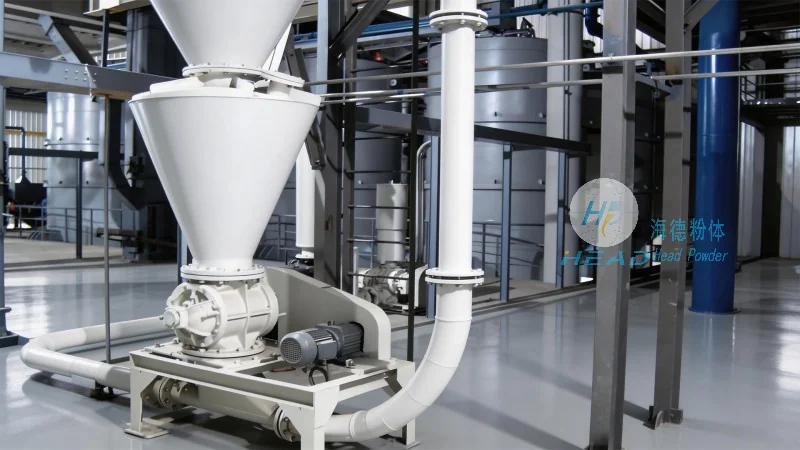
Dry Sand Pneumatic Conveying: Working Principle and Applications
Dry sand pneumatic conveying specifically refers to the transportation of dry, fine-grained materials like sand. The working principle involves the creation of a high-velocity air stream within the conveying line, which entrains the sand particles and carries them through the pipeline. The air velocity must be sufficient to overcome the gravitational and frictional forces acting on the sand particles, ensuring that they remain suspended and transported efficiently. The system can operate under either positive pressure or negative pressure (vacuum), depending on the application requirements and the distance over which the material needs to be conveyed.
Applications of dry sand pneumatic conveying include the handling of construction materials, foundry sand, and other industrial sands. In construction, it is used to transport sand from storage silos to mixing plants or concrete batching stations. In foundries, it helps in the efficient movement of sand molds and cores, reducing manual labor and improving process consistency. The ability to convey dry sand without the need for additional equipment or manual handling makes this method particularly advantageous in industries where material purity and contamination control are critical.
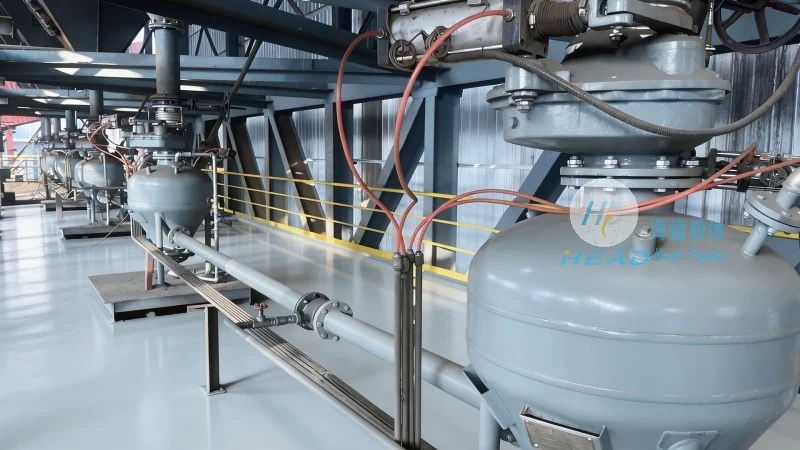
Advantages of Pneumatic Conveying for Dry Sand Handling
Compared to traditional methods like belt conveyors or bucket elevators, pneumatic conveying offers several advantages for dry sand handling. One of the primary benefits is the ability to transport materials in a closed system, which minimizes dust emissions and prevents contamination from external sources. This is especially important for materials like sand, which can be fine and easily airborne. Additionally, pneumatic conveying systems are more flexible in terms of layout, as they can be installed in various configurations, including vertical, horizontal, or a combination of both, to suit the specific needs of a facility. The system also reduces the need for manual handling, improving workplace safety and reducing the risk of accidents.
Another advantage is the ability to control the flow rate and pressure within the system, allowing for precise material delivery to the end point. This level of control is essential in processes where the exact amount of sand is required, such as in concrete mixing or foundry mold preparation. Furthermore, pneumatic conveying systems are relatively compact and can be integrated into existing facilities with minimal modifications, making them a cost-effective solution for many industries.
Role of Shandong HeadPowder Engineering Co., Ltd. in Pneumatic Conveying Solutions
Shandong HeadPowder Engineering Co., Ltd., commonly known as headpowder, is a leading provider of pneumatic conveying systems and related engineering solutions. With a strong focus on innovation and quality, the company has developed advanced technologies for dry sand and other bulk material handling. Headpowder specializes in designing and manufacturing customized pneumatic conveying systems that meet the specific requirements of its clients, ensuring optimal performance and reliability. The company's expertise spans the entire lifecycle of a pneumatic conveying system, from initial design and engineering to installation, commissioning, and after-sales support.
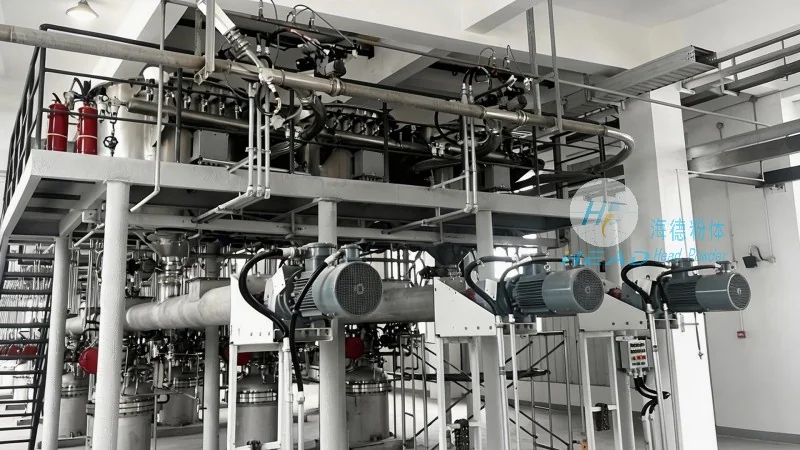
Headpowder's team of experienced engineers and technicians works closely with clients to understand their material handling challenges and develop tailored solutions. By leveraging advanced materials and manufacturing techniques, the company ensures that its systems are durable, efficient, and capable of handling a wide range of dry sand applications. The company's commitment to customer satisfaction and technical excellence has made it a trusted partner for many industries, helping them improve their operational efficiency and reduce material handling costs.
Conclusion
Dry sand pneumatic conveying is a highly effective method for transporting dry, fine-grained materials, offering numerous advantages over traditional material handling techniques. The working principles of pneumatic conveying systems, combined with the expertise of companies like Shandong HeadPowder Engineering Co., Ltd., have made it possible to handle dry sand with precision, efficiency, and minimal environmental impact. As industries continue to seek more sustainable and efficient material handling solutions, pneumatic conveying systems will likely remain a key technology in the bulk material handling sector.