

Introduction to Ceramic Powder Pneumatic Conveying and the Working Principle of Pneumatic Conveying
HeadPowder, a leading engineering company based in Shandong, China, specializes in the design, manufacturing, and installation of advanced pneumatic conveying systems tailored for handling ceramic powders. This article provides an overview of ceramic powder pneumatic conveying technology and explains the fundamental working principles of such systems, highlighting their efficiency and reliability in industrial applications.
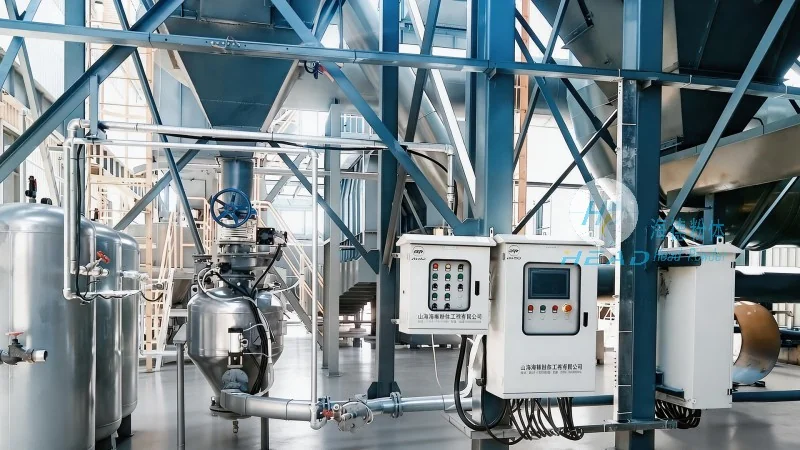
Ceramic Powder Pneumatic Conveying: An Overview
Ceramic powders, such as those used in ceramics, porcelain, and refractory materials, present unique challenges when it comes to material handling due to their fine particle size, high density, and potential for dust generation. Traditional bulk material handling methods, like belt conveyors or screw conveyors, may not be suitable for ceramic powders as they can cause particle degradation, contamination, or inefficient transport. Pneumatic conveying offers a solution by using compressed air to transport dry powders through a pipeline system, eliminating the need for mechanical contact with the material.
The Working Principle of Pneumatic Conveying Systems
Pneumatic conveying systems operate by creating a pressure differential between the inlet and outlet of the conveying line. The system typically consists of several key components: a feeder (to introduce the powder into the system), a compressor (to generate the air flow), a pipeline network (to transport the powder), and a receiver (to collect the conveyed material). The process begins when the ceramic powder is fed into the system. The feeder may be a rotary valve or a venturi feeder, which ensures a consistent flow of powder into the pipeline. Simultaneously, the compressor supplies compressed air, which is introduced into the pipeline at a specific point. The air flow creates a low-pressure zone downstream of the feeder, drawing the powder particles into the air stream. As the mixture of air and powder travels through the pipeline, the velocity of the air is maintained above the minimum conveying velocity required to keep the particles suspended and prevent deposition. The receiver, often a hopper or silo, is located at the end of the pipeline and collects the conveyed powder. The air, now containing the powder, is then filtered and the clean air is either vented to the atmosphere or recycled back into the system, depending on the design.
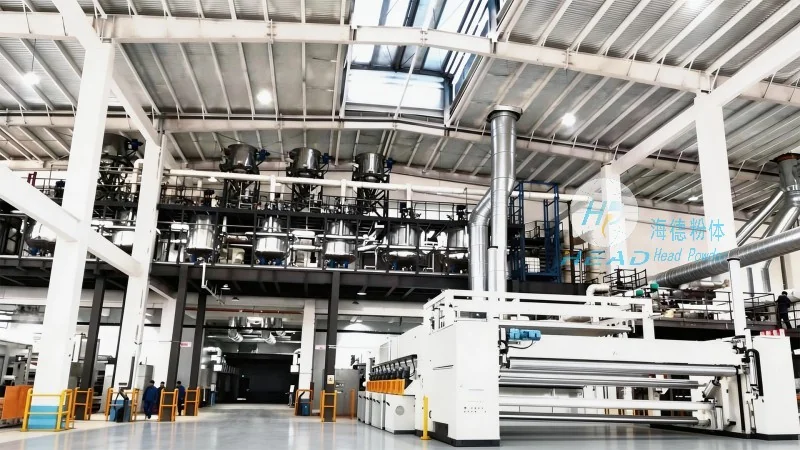
Key Components and Their Functions in Ceramic Powder Pneumatic Conveying
Each component of a pneumatic conveying system plays a crucial role in ensuring efficient and reliable operation. The feeder is responsible for introducing the ceramic powder into the system at a controlled rate, preventing blockages and ensuring a consistent flow. The compressor provides the necessary air pressure and volume to generate the conveying air flow. The pipeline network, made of materials resistant to corrosion and abrasion (such as stainless steel or plastic), transports the powder and air mixture. The receiver is designed to collect the conveyed powder without causing material loss or contamination. Additionally, the system may include filters, silencers, and pressure regulators to maintain air quality, control noise levels, and regulate system pressure.
Advantages of Pneumatic Conveying for Ceramic Powders
Pneumatic conveying systems offer several advantages when handling ceramic powders. First, they eliminate the need for mechanical contact with the material, reducing the risk of particle degradation, contamination, or damage. Second, the system can transport powders over long distances and through complex layouts, making it suitable for large-scale industrial applications. Third, pneumatic conveying is a clean and dust-free method, which is essential for maintaining product quality and ensuring workplace safety. Fourth, the system can be easily integrated with other processing equipment, such as mixers, dryers, or kilns, to form a complete production line. Finally, pneumatic conveying systems are relatively low maintenance compared to other bulk material handling methods, reducing operational costs over time.

Applications of Ceramic Powder Pneumatic Conveying
Ceramic powder pneumatic conveying systems are widely used in various industries, including ceramics manufacturing, refractory production, and pharmaceuticals. In the ceramics industry, these systems are used to transport raw materials like clay, feldspar, and quartz from storage silos to production lines. They are also used to convey finished ceramic powders to packaging or storage areas. In refractory production, pneumatic conveying is used to transport high-temperature resistant powders to kilns or mixing equipment. The system's ability to handle fine powders and maintain product quality makes it an ideal choice for applications where material purity and consistency are critical.
Conclusion
HeadPowder, with its expertise in engineering and manufacturing, provides high-quality pneumatic conveying systems specifically designed for ceramic powder handling. By understanding the working principles and advantages of such systems, industrial manufacturers can improve their material handling processes, enhance product quality, and reduce operational costs. The company's commitment to innovation and customer satisfaction ensures that clients receive tailored solutions that meet their specific needs and comply with industry standards.