

What is Secondary Zinc Oxide Pneumatic Conveying? An Introduction to the Working Principles of Powde
Secondary zinc oxide, a vital industrial material, often requires efficient and reliable transportation methods for its movement from production sites to processing or packaging facilities. Pneumatic conveying, a technology that utilizes air or gas to transport bulk materials, has become a preferred solution for handling such powders. This article explores the concept of secondary zinc oxide pneumatic conveying and delves into the fundamental working principles of powder handling systems, providing insights into how these systems operate and their significance in industrial applications.
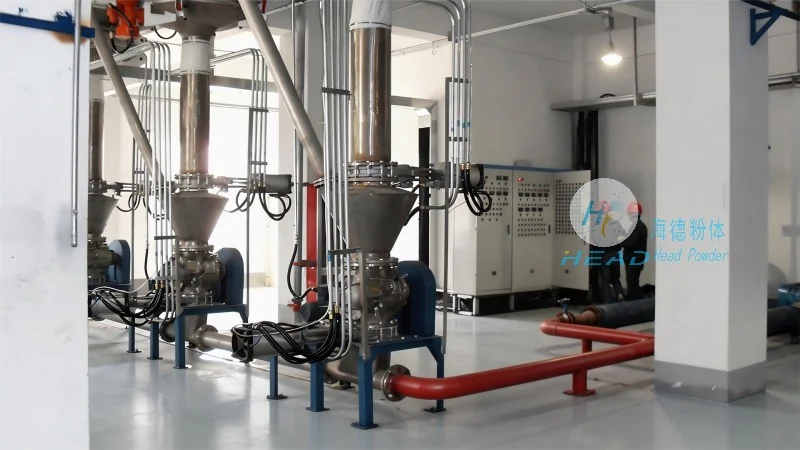
Introduction to Secondary Zinc Oxide and Pneumatic Conveying
Secondary zinc oxide is a form of zinc oxide that has been recycled or reprocessed from waste streams, making it an environmentally friendly alternative to primary zinc oxide. It is widely used in various industries, including pharmaceuticals, ceramics, and rubber manufacturing, due to its high purity and consistent quality. Pneumatic conveying, on the other hand, is a method of transporting bulk materials in the form of a powder or granules through a pipeline using a pressurized air or gas stream. This technology offers several advantages over traditional mechanical conveying methods, such as reduced material degradation, lower maintenance costs, and improved safety.
Company Profile: Shandong HeadPowder Engineering Co., Ltd.
HeadPowder, a leading provider of powder handling solutions, specializes in designing and manufacturing advanced pneumatic conveying systems tailored to the needs of various industries. With a strong presence in China, particularly in Shandong, the company has built a reputation for delivering high-quality, efficient, and reliable equipment for bulk material transportation. The company's expertise lies in understanding the unique challenges of handling materials like secondary zinc oxide, ensuring that their systems are optimized for performance and durability.
The Working Principles of Pneumatic Conveying Systems
Pneumatic conveying systems for secondary zinc oxide typically consist of several key components that work in tandem to achieve efficient material transport. The primary components include a feed hopper, a conveying line, a separation unit, and a receiver or discharge point. The process begins with the material being fed into the hopper, where it is then introduced into the conveying line through a rotary valve or a similar feeding device. The conveying line is usually made of stainless steel or other corrosion-resistant materials to prevent contamination and ensure longevity.
Once the material is in the conveying line, a high-pressure air or gas stream is introduced, creating a flow that propels the powder through the pipeline. The velocity of the air stream is carefully controlled to maintain a stable and uniform flow of the material, preventing issues such as clogging or material degradation. The separation unit, often a cyclone or a filter, is used to separate the material from the air stream, allowing the powder to be collected in the receiver while the air is either recirculated or discharged.
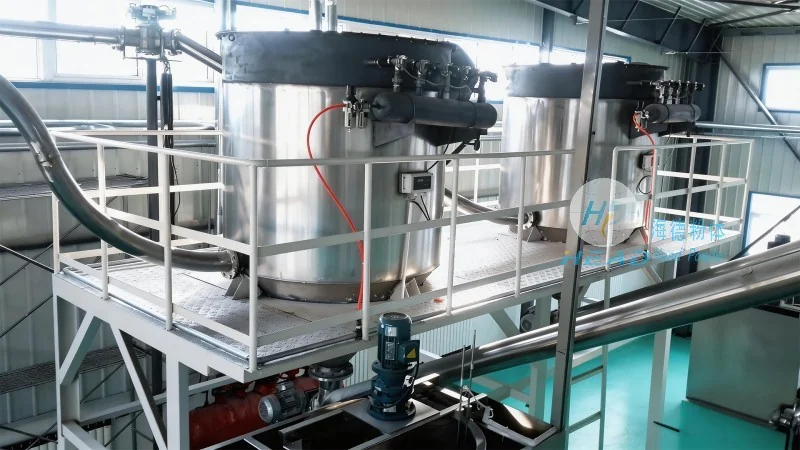
Key Components and Their Functions in the System
Each component of the pneumatic conveying system plays a critical role in ensuring the smooth operation of the entire process. The feed hopper is responsible for storing and feeding the secondary zinc oxide into the system, maintaining a consistent flow rate. The rotary valve or feeder ensures that the material is introduced into the conveying line at a controlled rate, preventing overloading or underloading of the system. The conveying line, as mentioned earlier, is the main pathway for the material and air mixture, and its design (e.g., diameter, length, and bends) is crucial for maintaining the desired velocity and pressure.
The separation unit, which can be a cyclone separator or a bag filter, is essential for separating the material from the air stream. Cyclone separators use centrifugal force to separate the particles from the gas, while bag filters use fabric bags to trap the particles. The receiver or discharge point is where the secondary zinc oxide is collected after being separated from the air. This component is typically designed to prevent dust emissions and ensure that the material is stored in a clean and dry environment.
Advantages of Pneumatic Conveying for Secondary Zinc Oxide
There are several advantages to using pneumatic conveying systems for the transportation of secondary zinc oxide. One of the most significant benefits is the ability to handle the material in a closed system, which minimizes dust emissions and improves workplace safety. This is particularly important for secondary zinc oxide, as it can be a fine powder that poses respiratory hazards if not handled properly. Additionally, pneumatic conveying systems are highly efficient, as they can transport large quantities of material over long distances with minimal energy consumption.

Another advantage is the reduced risk of material degradation. Unlike mechanical conveying methods, which can cause friction and impact that may damage the particles, pneumatic conveying uses air to move the material, minimizing the risk of breakage or agglomeration. This is especially important for secondary zinc oxide, which is often used in applications where the material's purity and particle size are critical, such as in pharmaceutical manufacturing.
Applications and Use Cases
Secondary zinc oxide is used in a wide range of applications, and the pneumatic conveying systems designed for it are tailored to meet the specific requirements of each industry. For example, in the pharmaceutical industry, secondary zinc oxide is used as a filler or an active ingredient in various medications. The pneumatic conveying system must be designed to maintain the material's purity and prevent contamination, which is achieved through the use of stainless steel components and closed systems.
In the ceramics industry, secondary zinc oxide is used as a flux or a pigment in the production of ceramic products. The system must be able to handle the material's high temperature resistance and ensure that the powder is transported without degradation. Similarly, in the rubber industry, secondary zinc oxide is used as a reinforcing agent in rubber compounds. The pneumatic conveying system must be able to handle the material's abrasive properties and prevent wear and tear on the components.
Conclusion
Secondary zinc oxide pneumatic conveying is a highly effective method for transporting bulk materials, offering numerous advantages over traditional mechanical conveying methods. The working principles of powder handling systems, as described above, involve a combination of components that work together to achieve efficient and reliable material transport. With the expertise of companies like Shandong HeadPowder Engineering Co., Ltd., these systems can be customized to meet the specific needs of various industries, ensuring that secondary zinc oxide is handled safely and efficiently. As the demand for secondary zinc oxide continues to grow, the importance of reliable and efficient transportation methods will only increase, making pneumatic conveying an essential technology in the industry.