

Positive Pressure Conveying vs. Negative Pressure Conveying of Adipic Acid: A Comparative Analysis
Adipic acid, a critical chemical intermediate widely used in the production of nylon and other polymers, requires efficient and reliable material handling solutions to ensure smooth industrial processes. Among the various methods available for transporting bulk materials like adipic acid, pneumatic conveying systems stand out as a preferred choice due to their ability to handle fine powders and granules with minimal contamination. This article provides a detailed comparison between positive pressure conveying and negative pressure conveying, focusing on their operational principles, advantages, disadvantages, and practical applications in the context of adipic acid transportation.
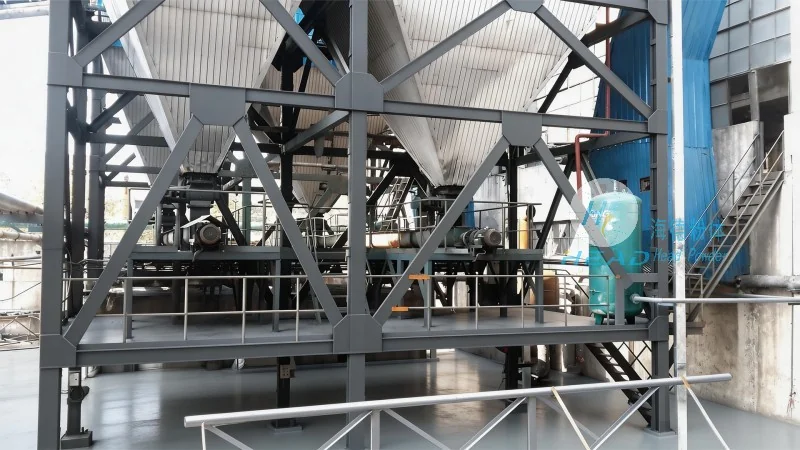
Understanding Pneumatic Conveying Systems
Pneumatic conveying is a method of transporting bulk materials through a pipeline using air or gas as the conveying medium. It is widely adopted in industries such as chemical processing, food, and pharmaceuticals due to its flexibility and ability to handle a wide range of particle sizes and shapes. The two primary types of pneumatic conveying systems are positive pressure conveying and negative pressure conveying, each with distinct characteristics that influence their suitability for specific applications.
Positive Pressure Conveying: Working Principle and Characteristics
Positive pressure conveying, also known as pressure pneumatic conveying, operates by blowing air or gas into the conveying line under pressure. The material is fed into the system at the inlet, and the pressurized air propels the material forward through the pipeline. This method typically uses a blower or compressor to generate the necessary pressure, which can range from low to high depending on the system design and the distance the material needs to travel.
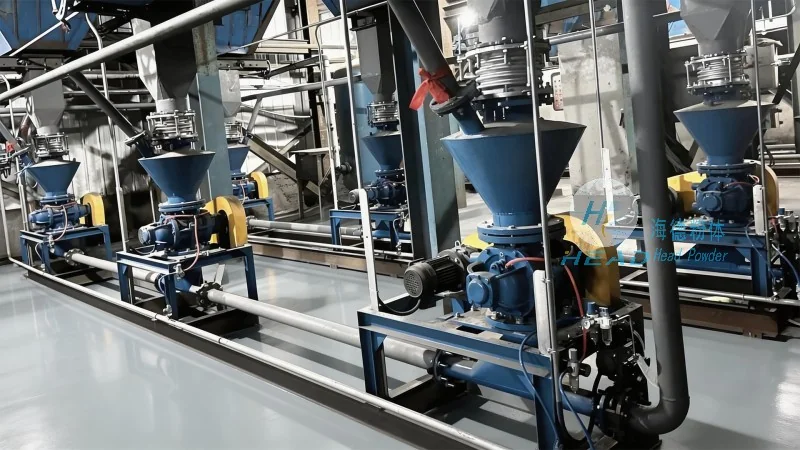
In the case of adipic acid, positive pressure conveying offers several advantages. First, it provides a high degree of control over the material flow, allowing for precise regulation of the conveying rate. Second, the pressurized environment helps prevent dust emissions and contamination, which is crucial for maintaining product quality in sensitive applications. Additionally, positive pressure systems are generally more efficient for long-distance conveying, as the pressure can be maintained throughout the entire pipeline without significant loss.
However, positive pressure conveying also has its limitations. The high pressure required can lead to increased energy consumption and higher maintenance costs for the blower or compressor. Moreover, the system is more susceptible to blockages if the material is prone to agglomeration or if the pipeline is not properly designed. For adipic acid, which can be a fine powder, the risk of clogging is a significant concern that must be addressed through proper system design and material handling practices.
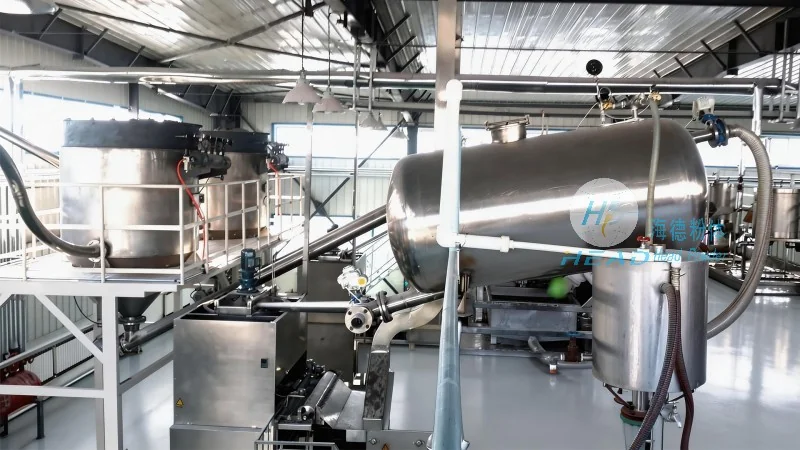
Negative Pressure Conveying: Working Principle and Characteristics
Negative pressure conveying, or vacuum pneumatic conveying, operates by creating a vacuum in the conveying line using a vacuum pump. The material is drawn into the system through the inlet, and the vacuum pulls the material along the pipeline to the destination. This method is often preferred for shorter conveying distances and for applications where the material needs to be transported from a higher elevation to a lower one.
For adipic acid, negative pressure conveying offers its own set of benefits. The primary advantage is the lower energy consumption compared to positive pressure systems, as the vacuum pump operates at a lower pressure level. This can result in cost savings over time, especially for facilities with high energy demands. Additionally, negative pressure systems are less likely to cause material degradation due to the lower pressure and temperature conditions, which is important for maintaining the purity of adipic acid.