

What is Desulfurization Fly Ash Pneumatic Conveying, Classification and Applications of Pneumatic Co
Desulfurization fly ash, also known as flue gas desulfurization (FGD) fly ash, is a byproduct generated during the flue gas desulfurization process in thermal power plants and other industrial facilities. This material is typically composed of calcium sulfate and other minerals, and its handling and disposal require specialized methods to ensure environmental safety and operational efficiency. Pneumatic conveying is a key technology used for transporting this material, offering advantages such as low maintenance, flexibility, and the ability to handle fine powders over long distances.
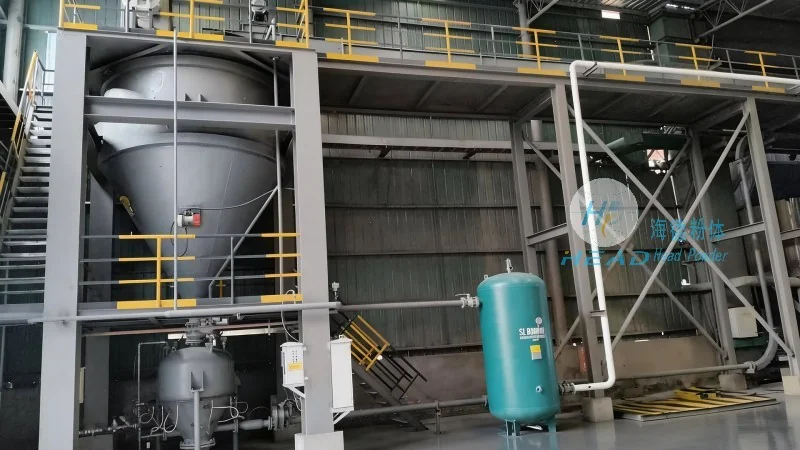
Introduction to Pneumatic Conveying Systems
Pneumatic conveying systems utilize air or other gases to transport bulk materials, including powders and granules, from one location to another. These systems are widely used in various industries due to their ability to handle delicate materials without causing degradation or contamination. The core components of a pneumatic conveying system typically include a material feed hopper, a conveying line (often with valves and bends), a receiver for the material, and a fan or blower to generate the necessary airflow. The choice of system design—such as pressure or vacuum—depends on factors like the material properties, distance to be conveyed, and the required flow rate.
Types of Pneumatic Conveying Systems
There are two primary types of pneumatic conveying systems: pressure and vacuum. Pressure systems operate by blowing air or gas into the conveying line under pressure, pushing the material forward. These systems are suitable for short to medium distances and can handle a wide range of materials, including abrasive or corrosive powders. Vacuum systems, on the other hand, use a vacuum pump to create a negative pressure in the line, drawing the material into the system. Vacuum systems are ideal for long-distance transport and for applications where the material needs to be collected from multiple sources.
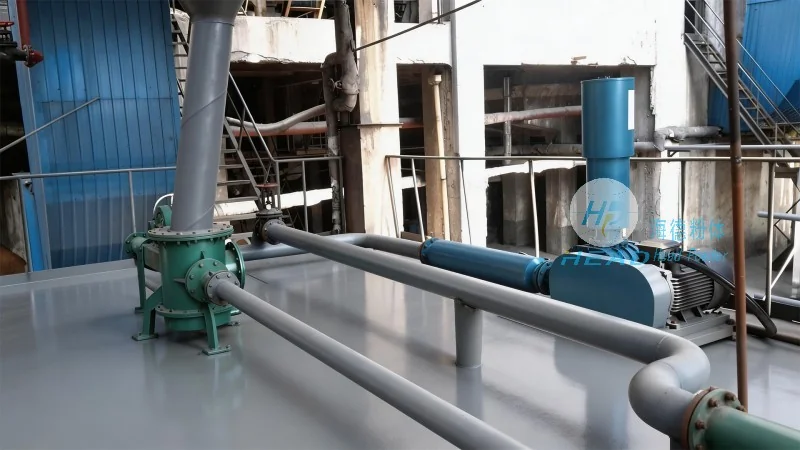
Application of Pneumatic Conveying in Desulfurization Fly Ash Handling
For desulfurization fly ash, pneumatic conveying is particularly advantageous due to the material's fine particle size and potential for dust generation. The system can transport the ash from the desulfurization unit to storage silos, landfills, or other processing facilities without the need for mechanical equipment like conveyors or elevators. This reduces the risk of material spillage and contamination, while also minimizing the exposure of personnel to the ash. The flexibility of pneumatic conveying allows for integration with existing plant infrastructure, making it a cost-effective solution for many power plants.
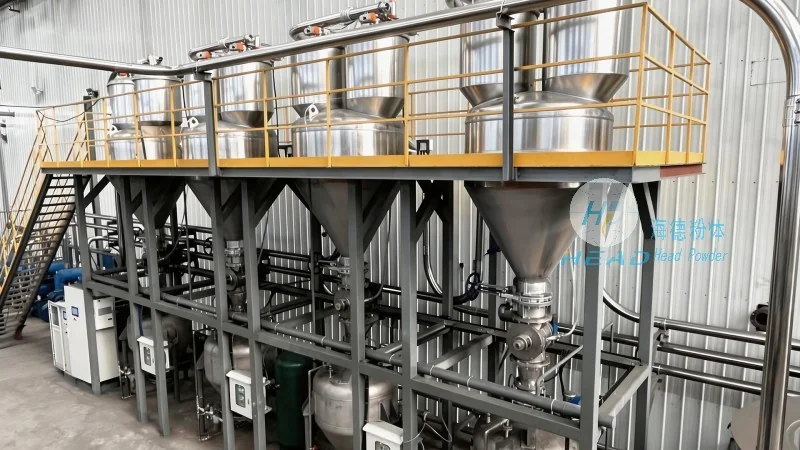
Advantages of Pneumatic Conveying for Desulfurization Fly Ash
Several key advantages make pneumatic conveying an optimal choice for handling desulfurization fly ash. First, it provides a closed system, which helps to control dust emissions and prevent environmental contamination. This is critical for compliance with environmental regulations and for maintaining a safe working environment. Second, the system is highly efficient in terms of energy use, as it can transport large volumes of material with relatively low power consumption compared to other methods. Third, pneumatic conveying systems are relatively low maintenance, with fewer moving parts and less wear and tear compared to mechanical conveyors. This reduces downtime and operational costs over the long term.
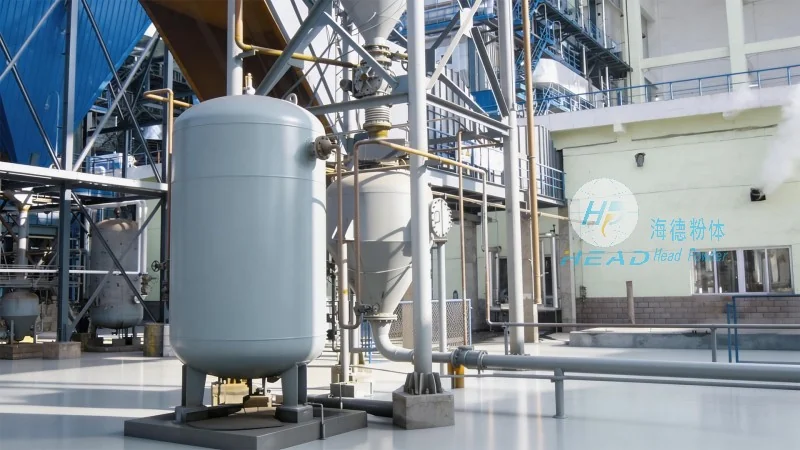
Considerations for Implementing Pneumatic Conveying Systems
When implementing a pneumatic conveying system for desulfurization fly ash, several factors must be carefully considered. The first is the material's physical properties, such as particle size distribution, moisture content, and density. These properties will determine the appropriate system design and operating parameters. For example, very fine or cohesive materials may require a pressure system with a higher air velocity to prevent blockages. The second consideration is the distance and layout of the conveying line. Longer distances may require multiple stages or larger fan capacities to maintain sufficient airflow. The third factor is the system's integration with existing plant equipment, including the desulfurization unit and storage facilities. Proper planning and engineering are essential to ensure smooth operation and minimal disruption to the plant's overall process.
Conclusion
In conclusion, pneumatic conveying is a vital technology for the efficient and safe handling of desulfurization fly ash. By understanding the different types of pneumatic conveying systems and their applications, power plants and industrial facilities can select the most appropriate solution for their specific needs. The advantages of closed systems, energy efficiency, and low maintenance make pneumatic conveying a cost-effective and environmentally responsible choice for fly ash transport. As the demand for cleaner energy and stricter environmental regulations continues to grow, the use of advanced pneumatic conveying systems will likely become even more prevalent in the management of desulfurization byproducts.