

What is Coking Powder Pneumatic Conveying? Classification and Applications of Pneumatic Conveying
Coking powder, also known as coke powder, is a fine particulate material produced during the coking process in the steel industry. It is widely used as a fuel in various industrial applications. Pneumatic conveying is a method of transporting bulk materials through a pipeline using air or other gas as the conveying medium. This technology is particularly effective for handling coking powder due to its ability to transport fine powders over long distances with minimal dust generation and high efficiency.
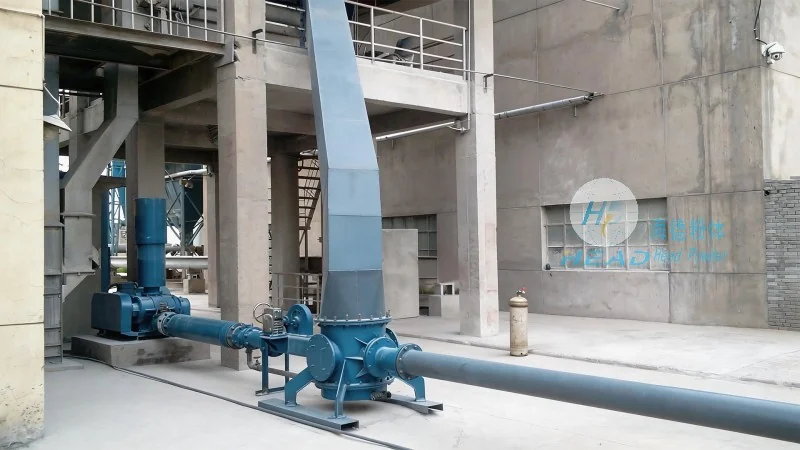
Understanding Pneumatic Conveying for Coking Powder
Pneumatic conveying systems for coking powder involve the use of air or gas to move the powder from a source to a destination. The process typically includes a hopper, a feeder, a pipeline, and a receiver. The coking powder is fed into the system, and air is introduced to create a flow that carries the powder through the pipeline. This method is preferred over traditional methods like belt conveyors or bucket elevators because it reduces the risk of dust explosions and contamination, making it safer for industrial environments.
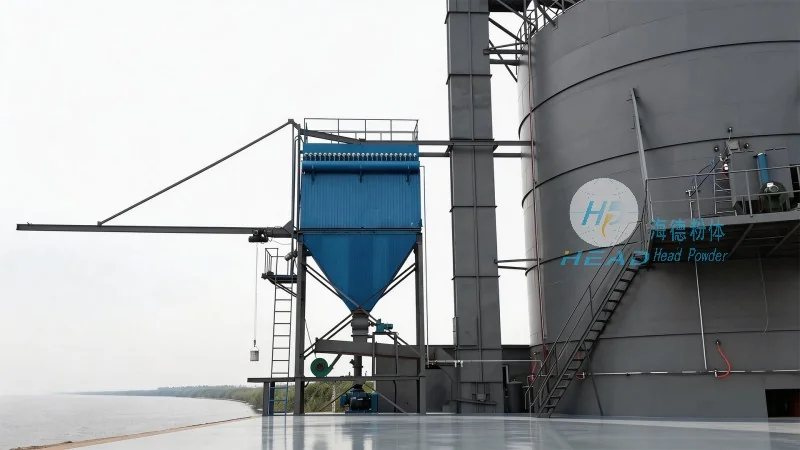
Key Features of Coking Powder Pneumatic Conveying
One of the primary advantages of using pneumatic conveying for coking powder is its ability to handle fine, abrasive powders without causing significant wear and tear on the equipment. The system can be designed to operate at low or high pressure, depending on the distance and material characteristics. Low-pressure systems are suitable for short distances and low material density, while high-pressure systems are used for longer distances and higher material flow rates. Additionally, pneumatic conveying systems can be equipped with filters and cyclones to separate the powder from the air, ensuring that the powder is delivered in a clean and dry state.
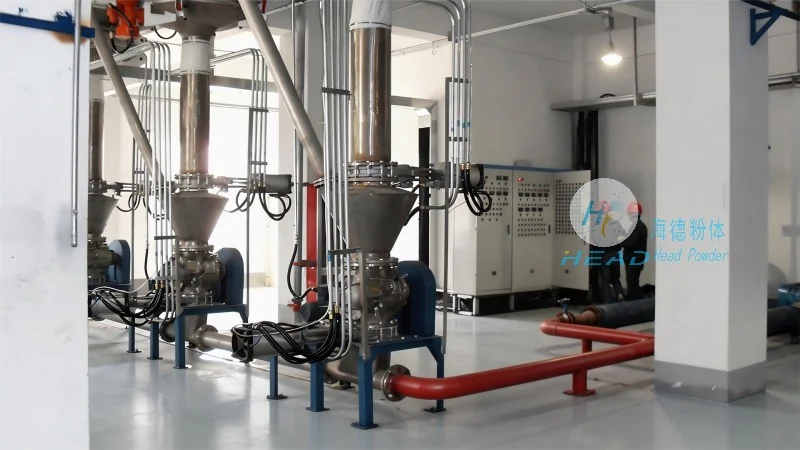
Classification of Pneumatic Conveying Systems
Pneumatic conveying systems are generally classified into two main types: pressure and vacuum systems. Pressure systems use compressed air to push the material through the pipeline, while vacuum systems use a vacuum to pull the material. For coking powder, pressure systems are more commonly used due to their ability to handle higher material flow rates and longer distances. Within pressure systems, there are further classifications based on the pressure level, such as low-pressure (up to 0.5 bar), medium-pressure (0.5 to 2 bar), and high-pressure (above 2 bar) systems. Each type has its own advantages and is selected based on the specific requirements of the application.
Applications of Pneumatic Conveying in Coking Powder Handling
The applications of pneumatic conveying for coking powder are diverse and include fuel feeding in power plants, cement production, and other industrial processes. In power plants, coking powder is used as a fuel in boilers, and pneumatic conveying systems ensure a continuous and reliable supply of fuel. In cement plants, coking powder is used as a supplementary fuel to reduce the consumption of traditional fuels like coal. The ability of pneumatic conveying systems to handle fine powders and transport them over long distances makes them ideal for these applications. Additionally, the systems can be integrated with other equipment, such as mixers and burners, to create a complete fuel handling system.
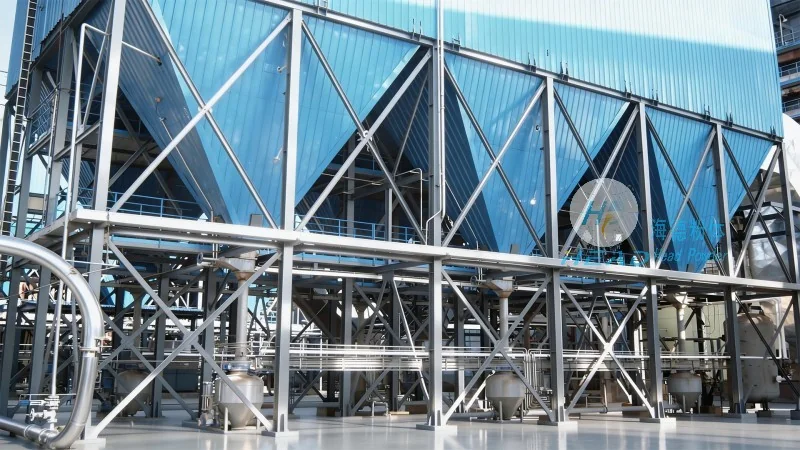
About Shandong HeadPowder Engineering Co., Ltd.
Shandong HeadPowder Engineering Co., Ltd., commonly known as HeadPowder, is a leading manufacturer and supplier of pneumatic conveying systems and related equipment. The company is headquartered in Shandong, China, and has extensive experience in designing and manufacturing systems for handling various types of powders, including coking powder. HeadPowder specializes in providing customized solutions tailored to the specific needs of its clients, ensuring that the systems are efficient, reliable, and safe. The company's products are known for their high quality, durability, and low maintenance requirements, making them a preferred choice for industrial applications.