

What is Paddy Grain Pneumatic Conveying? Classification and Applications of Pneumatic Conveying Syst
Shandong HeadPowder Engineering Co., Ltd., operating under the brand name headpowder, is a professional enterprise based in Shandong, China, specializing in the design and implementation of pneumatic conveying systems. The company focuses on providing efficient and reliable solutions for the transportation of bulk materials, including agricultural products like paddy grains. This article explores the concept of paddy grain pneumatic conveying, outlines the different classifications of pneumatic conveying systems, and discusses their practical applications in various industrial settings.
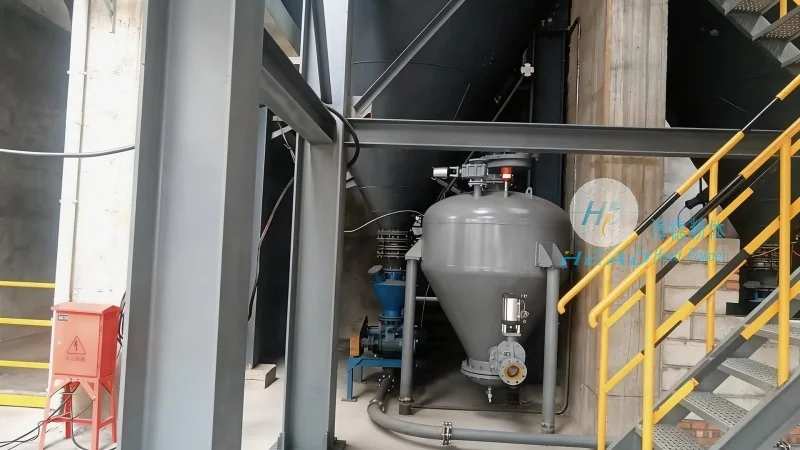
Pneumatic Conveying: An Overview
Pneumatic conveying, also known as air conveying, is a method of transporting solid particles through a pipeline using a moving gas stream, typically air. This technology is widely used in industries such as food processing, pharmaceuticals, and agriculture due to its ability to handle delicate or abrasive materials without causing damage. The core principle involves creating a pressure differential or vacuum to move the material through the system. The process is generally categorized into two main types: suction (or vacuum) conveying and pressure (or positive) conveying, with some systems combining both approaches for enhanced performance.
Classification of Pneumatic Conveying Systems
There are several key classifications of pneumatic conveying systems, each designed to suit different material characteristics, distances, and operational requirements. The primary categories include:
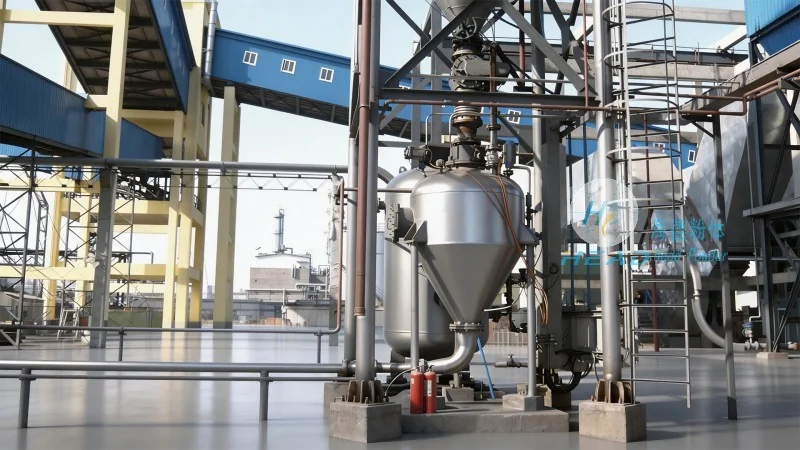
- Suction (Vacuum) Conveying: This system operates by creating a vacuum at the inlet, drawing material from the source into the pipeline. It is ideal for short to medium distances and is commonly used for handling fine powders or granular materials that are light and easy to lift. The suction method is often preferred for applications where the material needs to be transported from a low-level source to a higher destination.
- Pressure (Positive) Conveying: In contrast, pressure conveying uses compressed air to push the material through the pipeline. This approach is suitable for longer distances and for handling heavier or more abrasive materials. It can handle a wider range of particle sizes and is often used in industrial settings where high throughput is required. The pressure system typically involves a blower or compressor at the discharge end, ensuring consistent material flow.
- Mixed (Combined) Conveying: Some advanced systems integrate both suction and pressure elements. For instance, a mixed system might use suction to draw material from a hopper and then use pressure to transport it to the final destination. This hybrid approach offers flexibility and can optimize performance for complex material handling tasks, such as transferring materials over varying distances with different elevation changes.
Paddy Grain Pneumatic Conveying: Specific Considerations
When it comes to paddy grain, the choice of pneumatic conveying system depends on factors like grain moisture content, size, and the need to maintain grain quality. Paddy grains are typically handled in agricultural and food processing facilities, where the goal is to transport them efficiently from storage silos to processing equipment without causing breakage or contamination. The system must be designed to minimize grain damage, as broken grains can affect the final product quality in applications like rice milling. Therefore, the selection of appropriate air velocity, pipeline diameter, and material flow rate is crucial. For example, a low-velocity suction system may be preferred to prevent excessive grain breakage, while a higher-velocity pressure system might be used for longer distances where grain integrity is less critical.

Applications of Pneumatic Conveying in Paddy Processing
Pneumatic conveying systems play a vital role in the paddy grain processing industry, supporting various stages from storage to final product. Some common applications include:
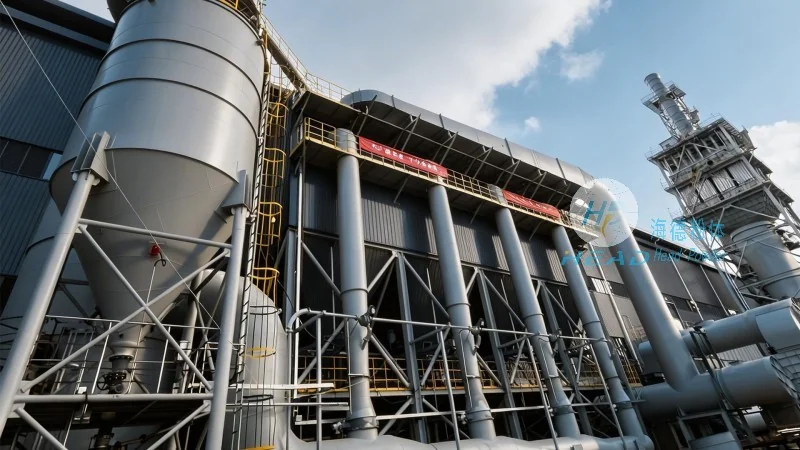
- Storage to Processing: In large-scale rice mills, paddy grains are often stored in silos. Pneumatic conveying allows for the efficient transfer of grains from these silos to the milling equipment, reducing the need for manual handling and improving operational efficiency.
- Between Processing Stages: During the rice milling process, paddy grains may need to be moved from the husking unit to the polishing or sorting stages. Pneumatic systems can handle this transfer seamlessly, ensuring a continuous flow of material without interruptions.
- Waste and Byproduct Handling: In some cases, pneumatic conveying is used to transport husks or other byproducts from the processing line to disposal or recycling facilities. This helps maintain a clean and organized processing environment.
- Quality Control: Advanced pneumatic systems can be integrated with sensors to monitor grain flow and quality in real-time. This allows for immediate adjustments to the conveying parameters, ensuring consistent product quality throughout the process.
Advantages of Pneumatic Conveying for Paddy Grain
Implementing pneumatic conveying systems for paddy grain offers several advantages over traditional methods like belt conveyors or bucket elevators. These benefits include:
- Reduced Material Damage: Unlike mechanical conveyors that can cause abrasion or impact, pneumatic systems use air to move grains, minimizing the risk of broken kernels and preserving grain quality.
- Space Efficiency: Pneumatic conveying systems can be installed in compact spaces, making them suitable for facilities with limited floor area. The pipeline layout can be customized to fit the available space, reducing the need for large, open areas.
- Clean and Hygienic: The enclosed pipeline design prevents contamination from external sources, which is critical in food processing environments. This helps maintain compliance with food safety regulations.
- Energy Efficiency: Modern pneumatic systems are designed to be energy-efficient, using optimized air velocities and pressure levels to minimize energy consumption while maintaining effective material transport.
- Flexibility and Scalability: Pneumatic conveying systems can be easily expanded or reconfigured to accommodate changes in production volume or processing requirements. This flexibility makes them a long-term investment for growing businesses.
Conclusion
Paddy grain pneumatic conveying is a sophisticated and efficient method for transporting bulk agricultural products. By understanding the different classifications of pneumatic systems and their specific applications, industries can select the most appropriate solution to meet their operational needs. Shandong HeadPowder Engineering Co., Ltd. specializes in designing and implementing customized pneumatic conveying solutions tailored to the unique requirements of paddy grain processing, ensuring optimal performance, material integrity, and operational efficiency. Whether for short-distance transfers or long-haul operations, pneumatic conveying offers a reliable and effective approach to handling paddy grains in modern agricultural and food processing facilities.