

What is Riced Glutinous Rice Pneumatic Conveying? Classification and Applications of Pneumatic Conve
Understanding the fundamentals of riced glutinous rice pneumatic conveying is crucial for industries dealing with bulk material handling, especially in food processing and agricultural sectors. This article delves into the core concepts, classifications, and practical applications of pneumatic conveying systems, providing a comprehensive overview for professionals seeking to optimize material transport processes.
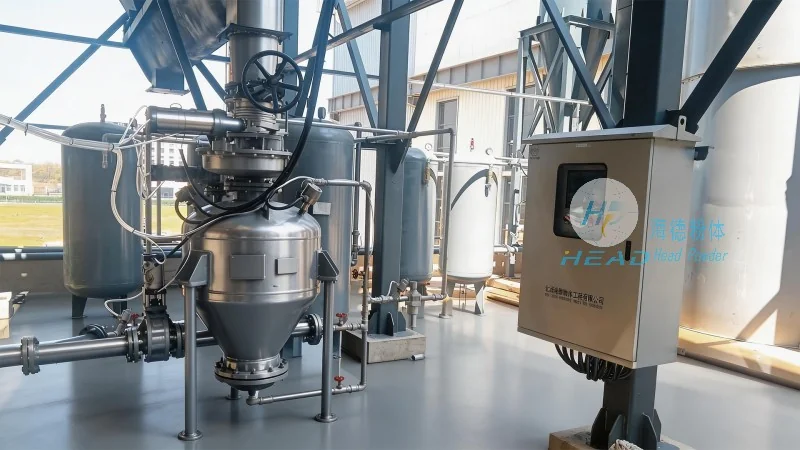
Pneumatic Conveying: An Overview
Pneumatic conveying, also known as pneumatic transport, is a method of transporting bulk materials through a pipeline using air or other gas as the conveying medium. Unlike traditional mechanical systems like conveyors or elevators, pneumatic conveying offers flexibility, efficiency, and the ability to handle a wide range of materials, including delicate or sensitive products like riced glutinous rice. The process involves creating a pressure differential within the pipeline, either by suction (negative pressure) or compression (positive pressure), to move the material from the source to the destination.
Shandong HeadPowder Engineering Co., Ltd.: A Leading Provider in Pneumatic Conveying Solutions
At Shandong HeadPowder Engineering Co., Ltd., we specialize in designing, manufacturing, and implementing advanced pneumatic conveying systems tailored to the unique needs of our clients. With our headquarters located in Shandong, China, our team of experienced engineers and technicians leverages cutting-edge technology and industry best practices to deliver reliable, efficient, and cost-effective solutions for material handling challenges. Our commitment to quality and customer satisfaction has made us a trusted partner for businesses across various industries, including food processing, pharmaceuticals, and chemical manufacturing.
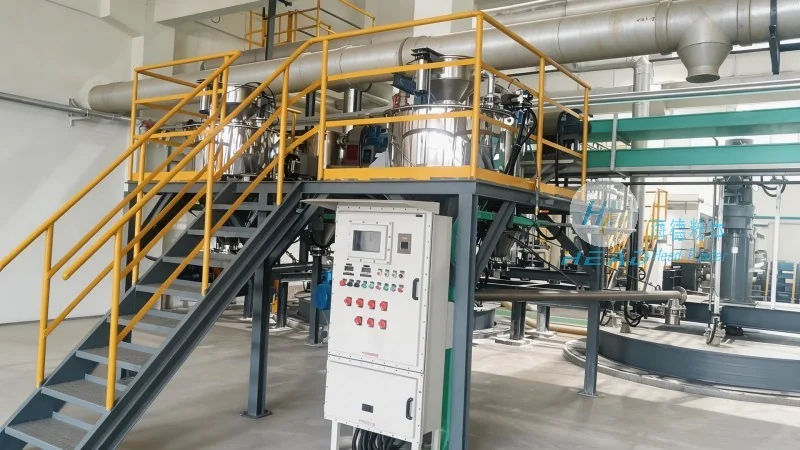
Classification of Pneumatic Conveying Systems
Pneumatic conveying systems are typically classified based on the method of air flow and the pressure applied. The two primary categories are:
- Absorption (Suction) Systems: These systems operate under negative pressure, drawing material from the source into the pipeline. They are ideal for applications where the material is to be transported from a low-level or elevated source to a processing unit. The suction system uses a vacuum pump to create a pressure differential, ensuring the material is drawn in without the need for mechanical feeding.
- Compression (Pressurized) Systems: In contrast, compression systems operate under positive pressure, pushing material through the pipeline. They are commonly used for transporting materials from a storage silo or hopper to a processing or packaging area. The pressurized system utilizes a blower or compressor to generate the necessary pressure, allowing for higher material flow rates and longer transport distances.
Within these main categories, subtypes exist based on the specific design and application. For instance, dense-phase pneumatic conveying, which involves transporting material in a slurry-like state at high pressure, is often used for delicate products like riced glutinous rice to minimize particle breakage and maintain product quality. Dilute-phase systems, on the other hand, transport material in a more dispersed state at lower pressure, suitable for bulk materials with lower moisture content.
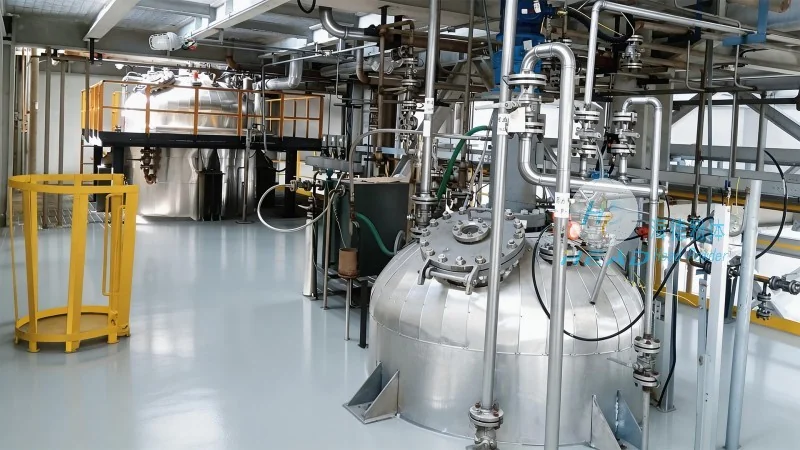
Applications of Pneumatic Conveying in Riced Glutinous Rice Handling
The application of pneumatic conveying in riced glutinous rice handling is particularly significant due to the material's delicate nature and the need for efficient, hygienic transport. Riced glutinous rice, a staple in many Asian cuisines, requires careful handling to preserve its texture, flavor, and nutritional value. Pneumatic conveying systems offer several advantages in this context:
- Hygienic and Sanitary Handling: Pneumatic systems can be designed with stainless steel components and sealed pipelines, ensuring that the product remains free from contamination during transport. This is critical for food-grade applications where hygiene standards are strictly enforced.
- Minimized Product Damage: Unlike mechanical conveyors that may cause abrasion or breakage, pneumatic conveying uses air to gently move the material, reducing the risk of particle damage and maintaining the product's integrity.
- Flexibility in Layout: Pneumatic systems can be easily integrated into existing production layouts, allowing for vertical, horizontal, or even inclined transport paths. This flexibility enables manufacturers to optimize their facility design without the need for extensive structural modifications.
- Efficient Material Transport: By utilizing air as the conveying medium, pneumatic systems can achieve high material flow rates and cover long distances with minimal energy consumption compared to traditional methods.
Typical applications of pneumatic conveying in riced glutinous rice processing include: