

What Comprises the Pneumatic Conveying of Aluminum Sulfate
The pneumatic conveying of aluminum sulfate is a specialized process used in various industrial applications, particularly in water treatment and chemical processing. This method involves the transport of aluminum sulfate powder through a pipeline using air or other gas as the conveying medium. Understanding the components that make up this system is crucial for optimizing performance, ensuring efficiency, and maintaining the quality of the conveyed material. The system typically consists of several interconnected parts, each playing a vital role in the overall operation.
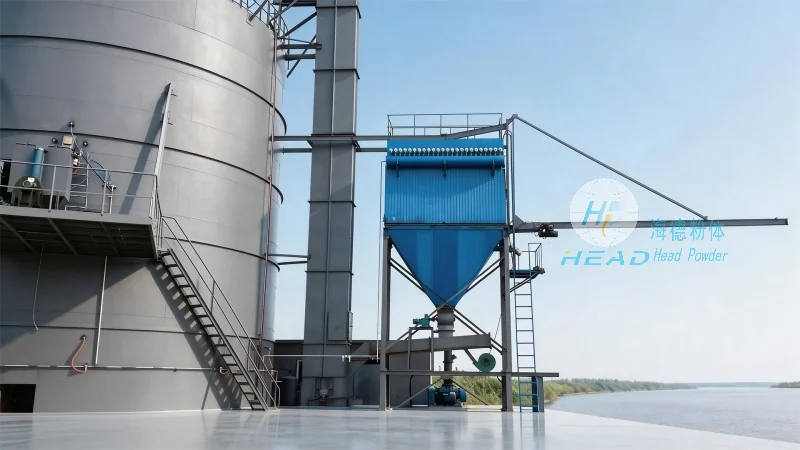
Core Components of the Pneumatic Conveying System
At the heart of any pneumatic conveying system for aluminum sulfate lies the material feed mechanism. This component is responsible for introducing the powder into the conveying line in a controlled manner. Common feeders include rotary valves, star feeders, or pressure vessels that can handle the specific flow rates required for aluminum sulfate. The design of the feeder must consider the material's properties, such as its bulk density and flowability, to prevent blockages and ensure consistent feeding. In the context of HeadPowder Engineering Co., Ltd., their expertise in customizing feeders ensures that the system matches the unique characteristics of aluminum sulfate, minimizing operational issues.
The Role of the Conveying Pipeline
The pipeline is the main channel through which aluminum sulfate travels during the conveying process. It is typically made of materials like stainless steel or polyethylene, chosen for their resistance to corrosion and chemical compatibility with aluminum sulfate. The pipeline's diameter and length are critical factors that affect the system's performance. A properly sized pipeline minimizes pressure drop and ensures that the material is conveyed at the desired velocity. The pipeline may also include bends, elbows, or expansion joints to accommodate changes in direction or elevation, which are essential for navigating the layout of industrial facilities. HeadPowder Engineering Co., Ltd. specializes in designing pipelines that optimize these parameters, ensuring efficient and reliable transport of aluminum sulfate.
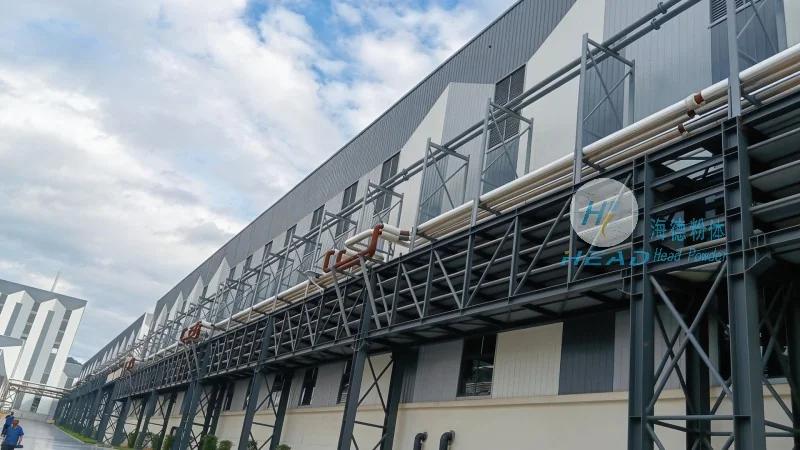
Gas Supply and Control Systems
Air or gas is the driving force behind the pneumatic conveying of aluminum sulfate. The gas supply system includes compressors, filters, and regulators that provide the necessary pressure and flow rate. The choice of gas (often air) is influenced by factors such as cost, availability, and the material's sensitivity to moisture or oxidation. The control system monitors and adjusts the gas flow, pressure, and temperature to maintain optimal conveying conditions. This system ensures that the material is transported at a consistent speed, preventing issues like clogging or uneven distribution. HeadPowder Engineering Co., Ltd. integrates advanced control technologies into their systems, allowing for real-time monitoring and adjustments to enhance performance and reduce downtime.
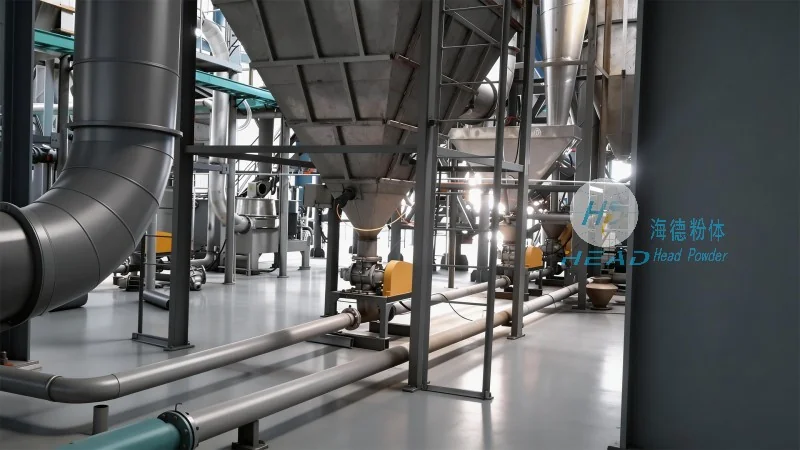
Separation and Collection Equipment
At the end of the conveying line, the aluminum sulfate must be separated from the conveying gas and collected. This is typically achieved using a cyclone separator or a baghouse filter. The separator uses centrifugal force to separate the solid particles from the gas stream, while the filter captures any fine particles that may have escaped. The collected aluminum sulfate is then discharged into a storage bin or processing vessel. The design of the separation equipment is critical to prevent material loss and ensure that the conveyed product remains in its original form. HeadPowder Engineering Co., Ltd. offers high-efficiency separation systems that minimize product degradation and maximize recovery rates.
System Integration and Customization
The successful operation of a pneumatic conveying system for aluminum sulfate depends on the proper integration of all components. This includes matching the feed rate to the pipeline capacity, ensuring the gas supply meets the required pressure, and optimizing the separation process. HeadPowder Engineering Co., Ltd., with its base in Shandong, China, leverages its local expertise and manufacturing capabilities to provide tailored solutions for clients. Their team of engineers works closely with customers to understand their specific needs, whether it's for small-scale laboratory applications or large industrial plants. By customizing the system components, HeadPowder Engineering Co., Ltd. ensures that the pneumatic conveying of aluminum sulfate is efficient, reliable, and cost-effective.