

Components of Calcium Chloride Pneumatic Conveying
Calcium chloride pneumatic conveying systems are integral to modern industrial processes, ensuring efficient and reliable material handling. The technology involves the transport of calcium chloride through a pipeline using air or other gas as the conveying medium. Understanding the components that make up such a system is crucial for optimizing performance, maintaining safety, and ensuring longevity. This article explores the key elements that constitute a calcium chloride pneumatic conveying system, providing insights into the technology's functionality and the role each component plays.
Key Components of Calcium Chloride Pneumatic Conveying Systems
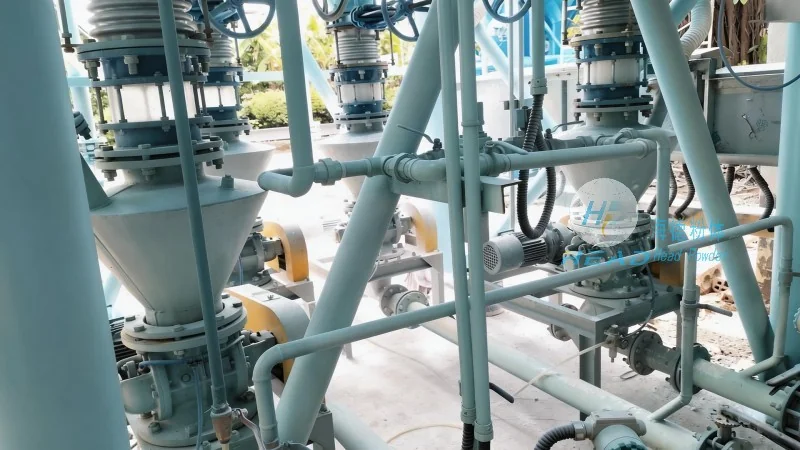
The calcium chloride pneumatic conveying system typically consists of several interconnected components that work in harmony to achieve efficient material transport. Each part is designed to handle specific functions, from material preparation to final discharge. The primary components include the material feed system, the conveying pipeline, the air or gas supply unit, the pressure control devices, and the material separation and recovery equipment. Understanding each component's role is essential for system design and operation.
Material Feed System
The material feed system is the starting point of the calcium chloride pneumatic conveying process. It is responsible for introducing the calcium chloride into the conveying system in a controlled manner. This system may include hoppers, feeders, and pre-processing equipment such as crushers or classifiers. The feed system ensures that the material is fed at a consistent rate, preventing blockages and maintaining system efficiency. For calcium chloride, which can vary in particle size and moisture content, the feed system must be designed to handle these variations effectively. The hoppers are typically made of corrosion-resistant materials like stainless steel or lined with appropriate coatings to prevent material degradation and equipment wear. Feeders, such as rotary valves or screw feeders, regulate the flow of calcium chloride into the conveying line, ensuring a steady supply without overloading the system.
Conveying Pipeline and Air/Gas Supply
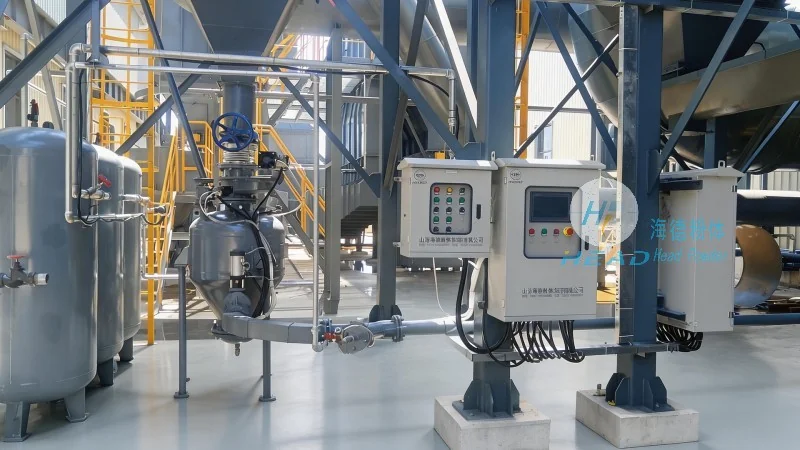
The conveying pipeline is the core of the pneumatic conveying system, responsible for transporting the calcium chloride and the conveying medium. The pipeline is usually made of materials like stainless steel, PVC, or polyethylene, selected based on the material's properties and the system's operating conditions. The choice of pipeline material is critical to prevent corrosion and ensure durability. The air or gas supply unit provides the necessary pressure and flow rate to move the material through the pipeline. This unit typically includes a blower or compressor, a filter to remove contaminants from the air, and a pressure regulator to maintain consistent pressure. The blower or compressor generates the required air velocity to overcome the resistance in the pipeline and lift the calcium chloride particles. The air supply must be dry and clean to prevent moisture from affecting the calcium chloride's properties and to avoid clogging the system. The pipeline design, including bends, elbows, and expansion joints, is also crucial as it affects the air velocity and pressure drop, which in turn impact the conveying efficiency.
Pressure Control and Regulation Devices
Pressure control devices are essential for maintaining the stability and efficiency of the calcium chloride pneumatic conveying system. These devices include pressure regulators, relief valves, and vacuum pumps. The pressure regulator adjusts the air pressure to the optimal level for conveying, ensuring that the material is transported at the desired velocity without excessive energy consumption. Relief valves prevent overpressure in the system, protecting equipment from damage. Vacuum pumps may be used in suction-type conveying systems to create a negative pressure that draws the material into the pipeline. The pressure control system monitors and adjusts the pressure in real-time, responding to changes in material flow or system conditions. This ensures consistent performance and prevents system failures.
Material Separation and Recovery Equipment
At the end of the conveying process, the calcium chloride must be separated from the conveying medium and recovered. This is achieved using a cyclone separator or a baghouse filter. The cyclone separator uses centrifugal force to separate the solid particles from the air, collecting the calcium chloride in a hopper. The baghouse filter, on the other hand, uses fabric bags to trap the particles, with the clean air being discharged to the atmosphere. The choice of separation equipment depends on the particle size and the required purity of the calcium chloride. The recovered material is then stored in a container or transported to the next stage of the process. Proper maintenance of the separation equipment is crucial to ensure efficient operation and prevent material loss.
System Integration and Control
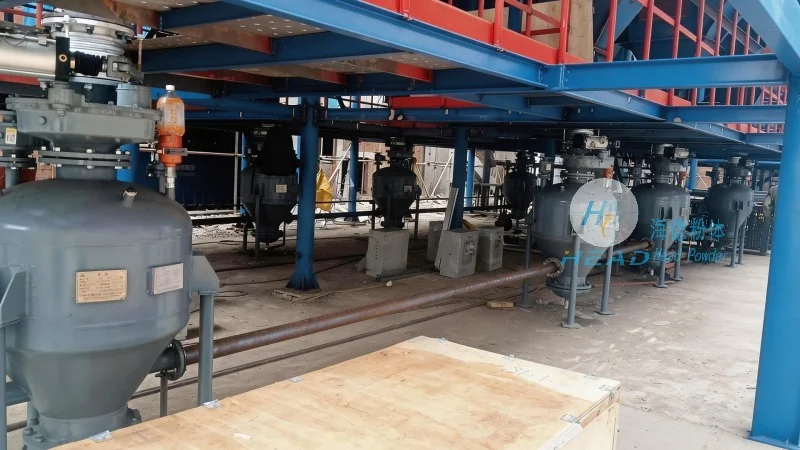
The integration of all components into a cohesive system is critical for the successful operation of a calcium chloride pneumatic conveying system. The system must be controlled by a programmable logic controller (PLC) or a similar control system. This control system monitors the flow rate, pressure, and other parameters, adjusting the operation of the feeders, blower, and other components as needed. The control system also includes safety features such as emergency stop buttons and alarms for overpressure or material blockages. Proper integration and control ensure that the system operates efficiently, safely, and reliably. The control system may also include data logging capabilities, allowing operators to monitor system performance over time and identify areas for improvement.
About Shandong HeadPowder Engineering Co., Ltd.
Shandong HeadPowder Engineering Co., Ltd., commonly known as HeadPowder, is a leading manufacturer and supplier of calcium chloride pneumatic conveying systems. With years of experience in the industry, HeadPowder specializes in designing and manufacturing customized solutions for various industrial applications. The company's expertise lies in understanding the unique requirements of calcium chloride handling and developing systems that meet those needs. HeadPowder's products are known for their durability, efficiency, and reliability, making them a trusted choice for industries that rely on calcium chloride processing. The company is committed to providing high-quality equipment and services, ensuring that its customers achieve optimal performance and cost savings. HeadPowder's facilities are located in Shandong, China, where the company has established a strong presence in the market. The company's team of engineers and technicians is dedicated to providing innovative solutions and excellent customer support, helping clients improve their operations and stay competitive.