

What Comprises the Pneumatic Conveying of Alumina
Understanding the components of an alumina pneumatic conveying system is crucial for ensuring efficient and reliable material handling in industrial applications. The system is designed to transport alumina powder or granules through a network of pipes using compressed air or other gas, and each component plays a vital role in the overall performance and safety of the operation.
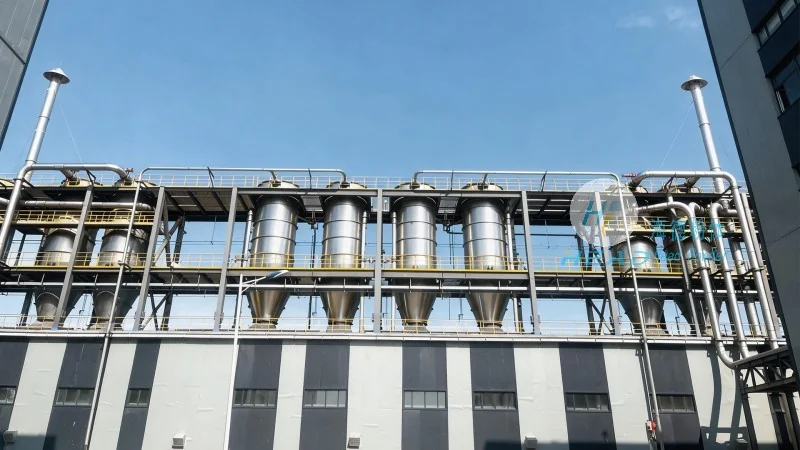
The Core Components of an Alumina Pneumatic Conveying System
At the heart of any alumina pneumatic conveying system are several key components that work in tandem to facilitate the movement of the material. These components are meticulously engineered to handle the unique properties of alumina, such as its fine particle size and potential for dust generation, ensuring optimal performance and minimal downtime.
1. Feeding Equipment
The feeding equipment is the initial stage of the alumina pneumatic conveying system, responsible for introducing the alumina material into the system in a controlled manner. This component typically includes a hopper or bin that stores the alumina, a feeder (like a rotary valve or screw feeder) that regulates the flow rate, and sometimes a pre-drying or conditioning unit to improve material flow characteristics. The feeder is critical as it ensures a consistent and uniform feed rate, preventing blockages or uneven flow that could disrupt the entire system. For alumina, which can be prone to bridging or agglomeration, a well-designed feeder is essential to maintain smooth material transfer.
2. Air Supply System
The air supply system is another fundamental component, providing the necessary pressure and volume of air or gas to propel the alumina particles through the conveying lines. This system typically consists of a compressor, air dryer, and filtration unit. The compressor generates the required pressure, while the air dryer removes moisture to prevent corrosion in the system and maintain consistent air properties. The filtration unit ensures that the air is clean, preventing dust or contaminants from entering the conveying lines and damaging equipment. For alumina, which is a fine powder, maintaining clean air is crucial to avoid clogging and ensure the longevity of the system components.
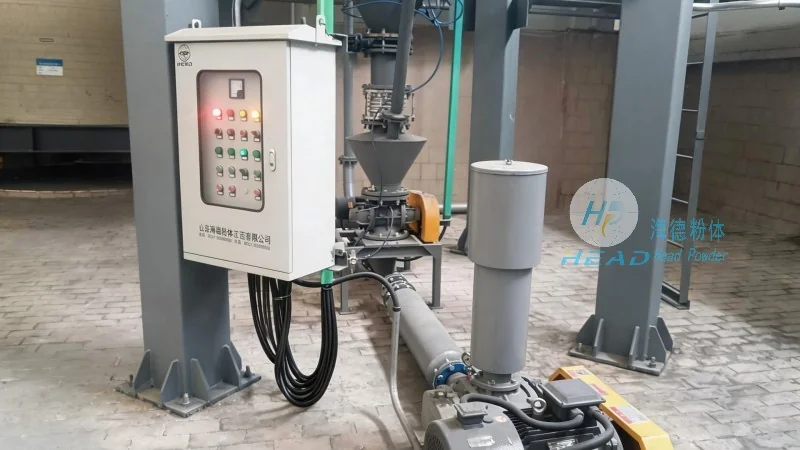
3. Conveying Pipelines
The conveying pipelines form the backbone of the alumina pneumatic conveying system, providing the path for the material to travel from the feeding point to the discharge point. These pipelines are typically made of materials like stainless steel or plastic, chosen for their resistance to corrosion and wear from alumina particles. The design of the pipelines, including the diameter, length, and layout, is carefully considered to minimize pressure drop and ensure efficient material transport. For long-distance or high-capacity conveying, the pipelines may include bends, elbows, or expansion joints to accommodate changes in direction and prevent stress on the system. The smooth interior surface of the pipelines is also important to reduce friction and maintain consistent air velocity, which is essential for preventing material settling or clogging.
4. Separation and Collection Equipment
At the receiving end of the alumina pneumatic conveying system, separation and collection equipment is used to separate the alumina particles from the air stream and collect the material in a container or storage bin. This component typically includes a cyclone separator, baghouse filter, or other dust collection system. The cyclone separator uses centrifugal force to separate the heavier alumina particles from the air, directing the particles to a collection hopper while allowing the air to exit through a vent. The baghouse filter, on the other hand, uses fabric bags to trap fine alumina particles, ensuring that the air is clean before it is released into the environment. For alumina, which is a fine powder, effective separation is critical to prevent dust emissions and maintain compliance with environmental regulations. The collection equipment is designed to handle the volume of material and the air flow rate, ensuring that the alumina is collected efficiently and without loss.
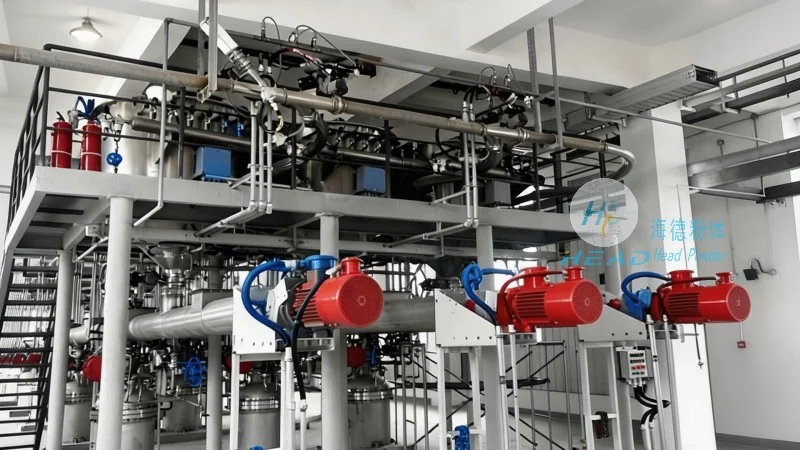
5. Control System
The control system is the brain of the alumina pneumatic conveying system, monitoring and regulating the operation of all components to ensure safe and efficient material handling. This system typically includes sensors, control valves, and a programmable logic controller (PLC) or other control unit. The sensors monitor parameters such as pressure, flow rate, and temperature, providing real-time data to the control unit. The control unit then adjusts the operation of the feeder, compressor, and other components based on the sensor readings, ensuring that the system operates within safe and optimal parameters. For alumina, which can be hazardous if not handled properly, the control system is essential to prevent overpressure, underflow, or other issues that could lead to accidents or equipment damage. The system may also include alarms and safety interlocks to alert operators to any abnormalities and shut down the system if necessary.
6. Accessories and Support Equipment
Beyond the core components, an alumina pneumatic conveying system may include various accessories and support equipment to enhance its performance and reliability. These may include airlocks, check valves, pressure relief valves, and maintenance tools. Airlocks are used to prevent backflow of material or air between different sections of the system, ensuring that the material moves in a single direction. Check valves prevent reverse flow, which could cause material to settle or clog the system. Pressure relief valves are installed to protect the system from overpressure, releasing excess air to prevent damage to components. Maintenance tools, such as cleaning brushes or inspection ports, are used to maintain the system and ensure that it remains in good working condition. For alumina, which can be abrasive and cause wear on equipment, regular maintenance is essential to extend the life of the system and prevent costly repairs.
In summary, the components of an alumina pneumatic conveying system work together to provide an efficient and reliable method for transporting alumina material. Each component is carefully designed and selected to handle the unique properties of alumina, ensuring that the system operates safely and effectively. By understanding the role of each component, operators can optimize the system for their specific needs and minimize downtime or maintenance costs.