

Components of Pneumatic Conveying for Petroleum Coke
Pneumatic conveying systems for petroleum coke are complex yet efficient methods for transporting bulk materials. These systems are designed to handle the unique properties of petroleum coke, such as its high density and abrasive nature. Understanding the components of such a system is crucial for ensuring optimal performance, reliability, and safety in industrial applications.
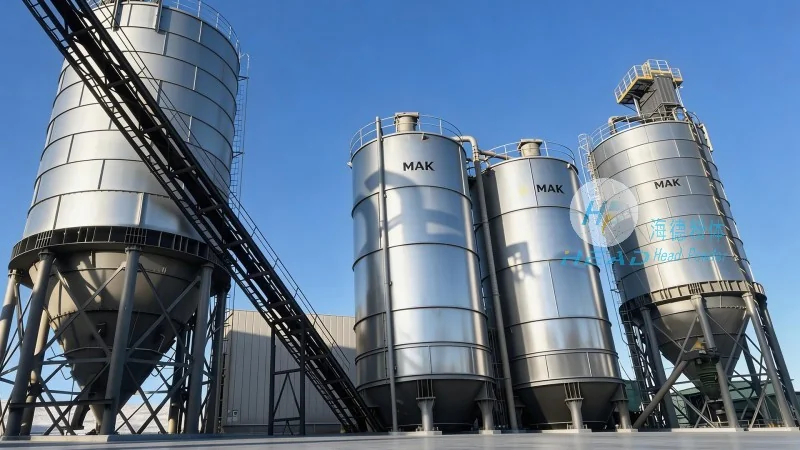
Key Components of a Petroleum Coke Pneumatic Conveying System
The core components of a pneumatic conveying system for petroleum coke typically include several key elements that work in tandem to facilitate material transport. These components are engineered to handle the specific challenges posed by petroleum coke, including its size, density, and potential for dust generation.
The Conveying Pipeline and Material Handling Equipment
The pipeline network is a critical component, often constructed from materials like stainless steel or special alloys to withstand the abrasive effects of petroleum coke. The pipeline design includes features such as bends, elbows, and straight sections, each strategically placed to minimize pressure losses and ensure smooth material flow. At the inlet, a hopper or feeder is used to introduce the petroleum coke into the system, ensuring a consistent feed rate. This equipment is typically equipped with valves and controls to regulate the flow of material, preventing blockages and maintaining system efficiency.
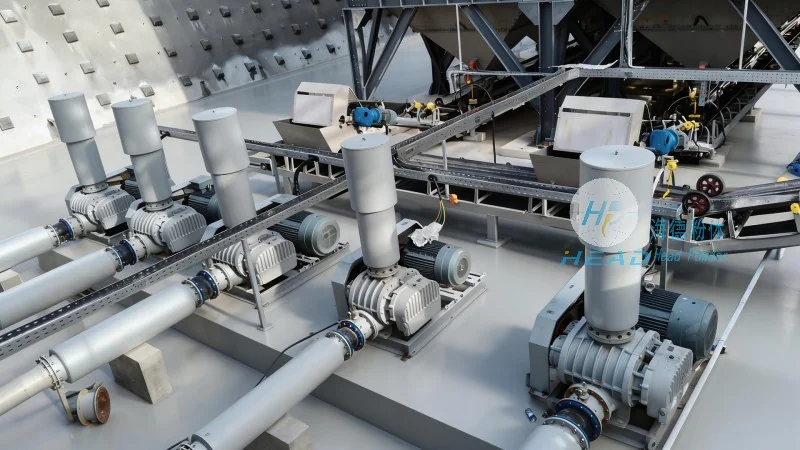
Compressed Air System and Air Handling Units
A robust compressed air system is essential for providing the necessary pressure to move the petroleum coke through the pipeline. This system includes compressors, air dryers, and filters to ensure the air is clean and dry, preventing moisture-related issues that could affect the material or the system components. The air handling units are designed to maintain consistent pressure and flow rates, which are critical for the reliable operation of the conveying system.
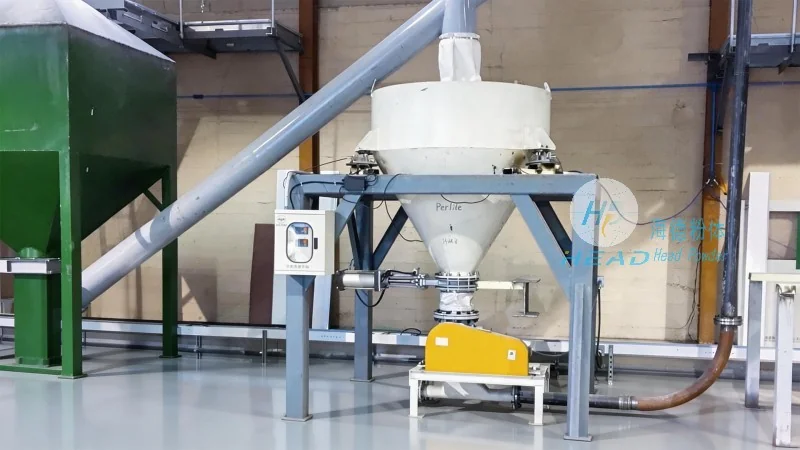
Control and Monitoring Systems
Advanced control systems are integrated into the pneumatic conveying system to monitor and regulate various parameters. These systems use sensors and controllers to track pressure, flow rate, and material level, providing real-time data to operators. This allows for immediate adjustments to be made in response to changes in system performance or material conditions, ensuring optimal operation and preventing potential issues such as overpressure or material buildup.
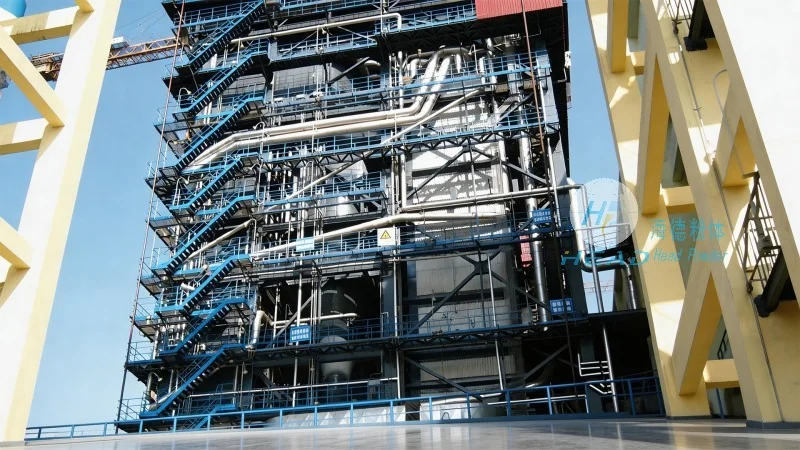
Material Separation and Cleaning Equipment
At the receiving end of the system, material separation and cleaning equipment is used to separate the petroleum coke from the conveying air. This typically involves cyclones or filters that capture the material and return it to the process, while the air is either recirculated or discharged. Proper maintenance of these components is essential to prevent clogging and ensure the system continues to operate efficiently.
About Shandong HeadPowder Engineering Co., Ltd.
Shandong HeadPowder Engineering Co., Ltd., operating under the brand name headpowder, specializes in the design, manufacturing, and installation of advanced pneumatic conveying systems for various bulk materials, including petroleum coke. With a focus on engineering excellence and customer satisfaction, the company provides tailored solutions that meet the specific needs of industrial clients. HeadPowder's systems are known for their reliability, efficiency, and adherence to industry standards, making them a trusted choice for businesses in the petrochemical and related industries.