

Components of Silicate Gas-Pneumatic Conveying
Understanding the components of silicate gas-pneumatic conveying systems is crucial for optimizing material handling processes in various industrial applications. This system efficiently transports silicate materials through a pipeline using air or other gases as the conveying medium, offering a reliable solution for bulk material transport. The key components and their functions are essential for ensuring the system operates efficiently and safely. Shandong HeadPowder Engineering Co., Ltd., a leading provider of industrial material handling solutions, specializes in designing and manufacturing such systems to meet the diverse needs of clients across China.
Core Components of the Conveying System
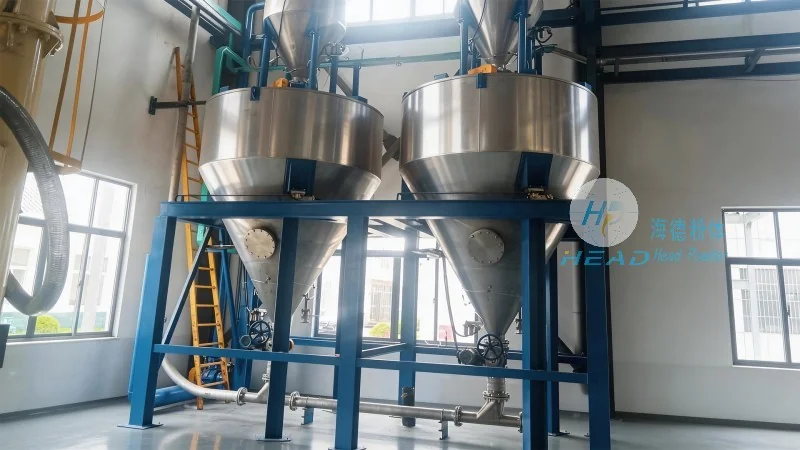
The silicate gas-pneumatic conveying system typically consists of several critical components that work in tandem to facilitate material transport. These components include the material feed hopper, which holds the silicate material and controls the flow rate; the air compressor or blower, which generates the necessary air pressure to move the material; the conveying pipeline, which carries the material and air mixture; and the material separator or cyclone, which separates the material from the air at the discharge point. Each component plays a vital role in the overall performance of the system, and their proper integration is key to achieving efficient material handling.
Material Feed Hopper and Control Mechanisms
The material feed hopper is a primary component that stores the silicate material before it is conveyed. It is equipped with a feeder, such as a rotary valve or screw feeder, which regulates the material flow into the pipeline. Proper control of the feed rate is essential to maintain consistent conveying performance and prevent system overload. The hopper design also considers the material's properties, such as bulk density and flowability, to ensure smooth feeding and minimize blockages. For example, when handling fine silicate powders, the hopper may include a pre-drying section to prevent moisture buildup and improve material flow.
Air Compressor and Pressure Regulation
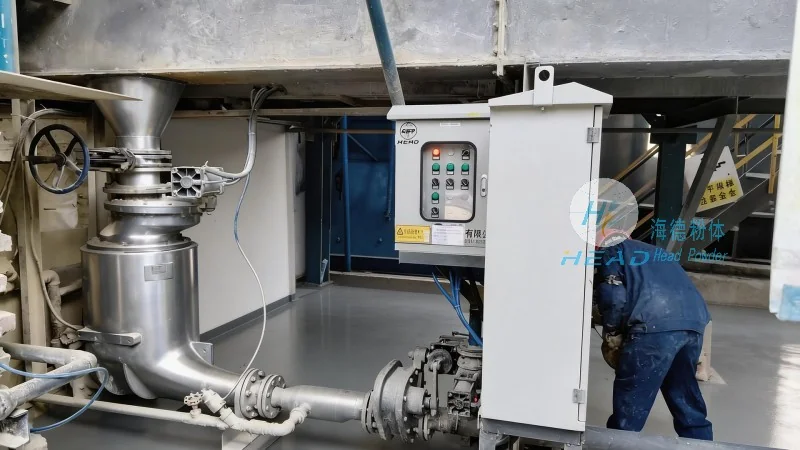
The air compressor or blower is responsible for generating the pressure needed to move the silicate material through the pipeline. Different types of compressors, including positive displacement blowers and centrifugal compressors, are used depending on the system's requirements. The compressor must provide sufficient air volume and pressure to overcome the resistance in the pipeline and lift the material. Pressure regulation systems are often integrated to maintain stable pressure levels, ensuring consistent conveying rates and preventing excessive energy consumption. Shandong HeadPowder Engineering Co., Ltd. offers customized compressor solutions tailored to the specific needs of each project, ensuring optimal performance and energy efficiency.
Conveying Pipeline and Material Transport
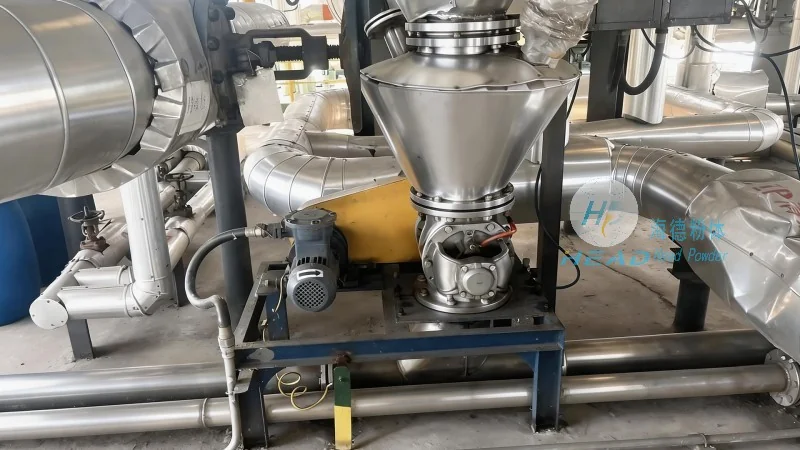
The conveying pipeline is a crucial part of the system, as it carries the silicate material and air mixture from the feed point to the discharge point. The pipeline is typically made of materials like stainless steel or plastic, chosen based on the material's corrosiveness and the system's operating conditions. The pipeline design includes bends, elbows, and straight sections, which are carefully engineered to minimize pressure losses and maintain the material's flow. The pipeline also features pressure relief valves and airlocks to prevent backflow and ensure safe operation. The length and diameter of the pipeline are determined based on the material's characteristics and the required conveying distance, with larger diameters used for higher material loads.
Material Separator and Discharge System
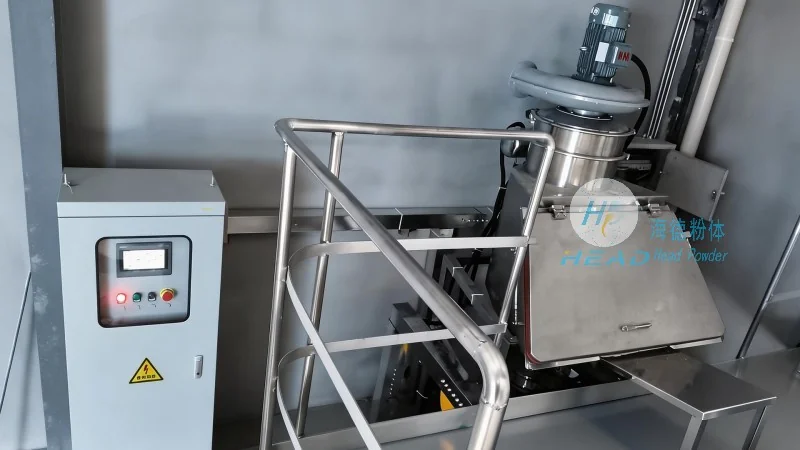
The material separator, often a cyclone or a baghouse, is used to separate the silicate material from the air at the discharge end of the pipeline. The separator uses centrifugal force to separate the heavier material particles from the air, allowing the air to be recirculated or discharged while the material is collected in a hopper. The discharge system includes a receiving hopper and a discharge valve, which control the flow of the material to the next processing stage. Proper design of the separator and discharge system is essential to maintain material purity and prevent dust emissions. Shandong HeadPowder Engineering Co., Ltd. incorporates advanced separation technologies to ensure high efficiency and minimal loss of material.
Control and Monitoring Systems
Modern silicate gas-pneumatic conveying systems are equipped with advanced control and monitoring systems to optimize performance and ensure safety. These systems include pressure sensors, flow meters, and level indicators that provide real-time data on the system's operation. The control system can adjust the air pressure, feed rate, and other parameters based on the material's properties and system conditions, ensuring efficient and safe operation. Additionally, safety features such as pressure relief valves and emergency shut-off systems are integrated to prevent accidents and protect personnel. The monitoring systems allow operators to track the system's performance over time, enabling proactive maintenance and reducing downtime.