

Composition of Bicarbonate of Soda Pneumatic Conveying Systems
Bicarbonate of soda, also known as sodium bicarbonate, is a versatile chemical widely used in industrial processes. When it comes to transporting this material through pneumatic conveying systems, understanding the components that make up such a system is crucial for efficient and reliable operation. This article explores the key elements that constitute a bicarbonate of soda pneumatic conveying system, highlighting the role of each component and the engineering principles behind their design.
Introduction to Bicarbonate of Soda Pneumatic Conveying Systems
Pneumatic conveying systems are used to transport bulk materials like bicarbonate of soda from one location to another using air or other gases as the conveying medium. These systems are essential in industries where the material needs to be moved without direct contact with mechanical components, ensuring cleanliness and preventing contamination. The effectiveness of a pneumatic conveying system for bicarbonate of soda depends heavily on its composition, which includes a series of interconnected parts working in harmony to achieve the desired transport efficiency.
Key Components of the System
The core components of a bicarbonate of soda pneumatic conveying system typically include the material feed hopper, the air supply unit, the conveying line, the separation equipment, and the control system. Each of these components plays a vital role in the overall operation of the system.
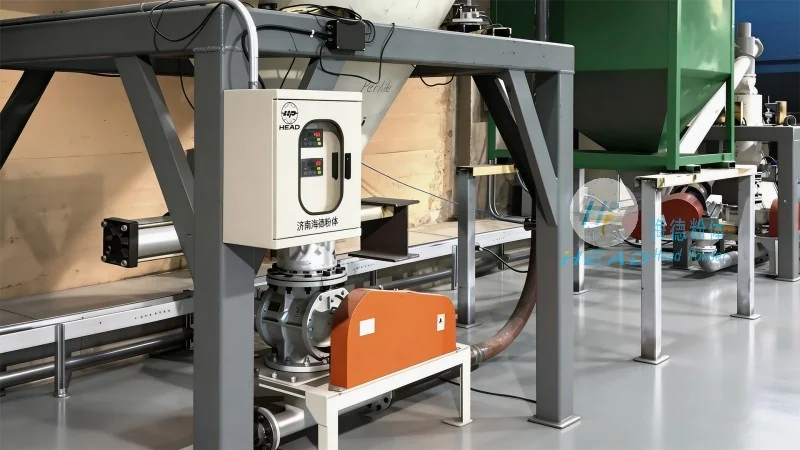
First, the material feed hopper is responsible for storing and feeding the bicarbonate of soda into the system. It is designed to handle the bulk material and ensure a consistent flow rate. The hopper may include a feeder, such as a rotary valve or a screw feeder, which controls the amount of material released into the conveying line. This component is critical to prevent blockages and maintain a steady supply of the material.
Second, the air supply unit provides the necessary pressure and volume of air to move the material through the system. This unit may consist of a blower or a compressor, depending on the system's requirements. The air is typically filtered to remove any contaminants that could affect the material or the system's performance. The pressure and flow rate of the air are carefully controlled to ensure optimal conveying efficiency.
Third, the conveying line is the main pathway through which the bicarbonate of soda is transported. It is usually made of stainless steel or other corrosion-resistant materials to withstand the chemical properties of the material and the air. The line may include bends, elbows, and other fittings that are designed to minimize pressure loss and maintain the material's flow. The diameter and length of the conveying line are determined based on the material's characteristics and the required transport distance.
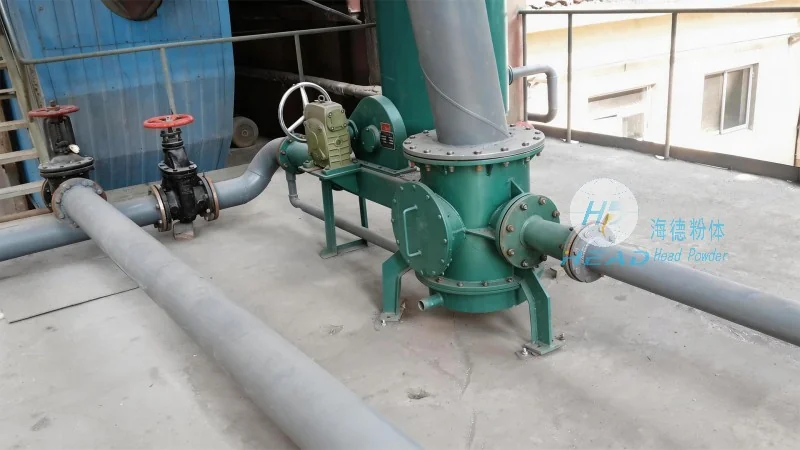
Fourth, the separation equipment is used to separate the material from the air at the end of the conveying line. This equipment may include a cyclone separator or a bag filter, which captures the bicarbonate of soda particles and returns them to the system or a storage container. The separated air is then discharged to the atmosphere or recirculated if necessary. Proper separation is essential to prevent material loss and maintain the system's efficiency.
Fifth, the control system monitors and regulates the operation of the entire pneumatic conveying system. It includes sensors, valves, and a control panel that allows operators to adjust the flow rate, pressure, and other parameters as needed. The control system ensures that the system operates within safe and efficient limits, preventing overloading or underloading of the components.
Role of Bicarbonate of Soda in Pneumatic Conveying
Bicarbonate of soda has specific properties that influence its behavior in pneumatic conveying systems. The material is relatively light and has a low bulk density, which means it requires less air pressure to be conveyed compared to heavier materials. However, its chemical nature makes it sensitive to moisture and temperature changes, which can affect its flow characteristics and the system's performance. Therefore, the design of the conveying system must take into account these properties to ensure smooth and reliable transport.
The flowability of bicarbonate of soda is also a factor to consider. It can be prone to bridging or caking in the hopper or feeder, which can lead to blockages. To mitigate this, the hopper may be equipped with vibrators or agitators to break up any agglomerates and maintain a consistent flow. Additionally, the material may be pre-dried or pre-screened to improve its flowability before entering the system.
The Engineering and Operational Aspects
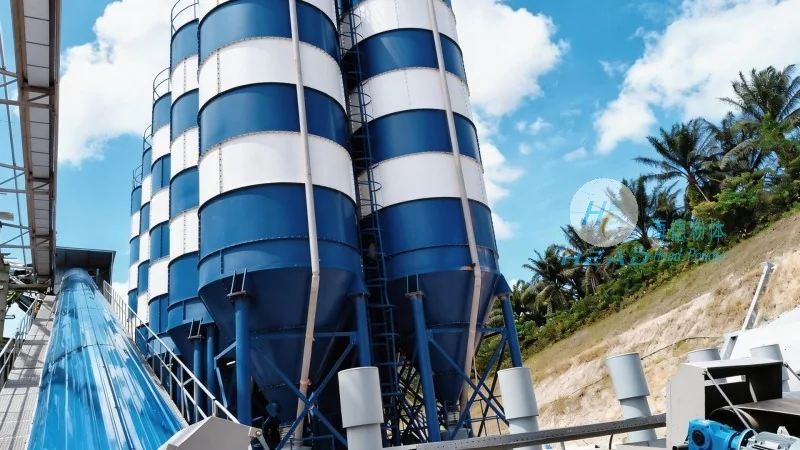
Engineering the bicarbonate of soda pneumatic conveying system involves careful consideration of several factors, including the material's characteristics, the required transport distance, and the desired throughput. Engineers must calculate the appropriate air pressure and flow rate to achieve the desired conveying velocity, which is typically between 20 and 30 meters per second for fine powders like bicarbonate of soda.
Operational considerations also play a significant role. The system must be regularly maintained to ensure optimal performance. This includes cleaning the conveying line and separation equipment to prevent buildup of the material, checking the air supply unit for proper operation, and inspecting the feed hopper and feeder for any signs of wear or damage. Proper training of operators is also essential to ensure that the system is operated correctly and safely.
Company Overview: Shandong HeadPowder Engineering Co., Ltd.
Shandong HeadPowder Engineering Co., Ltd. is a leading provider of pneumatic conveying systems and related engineering solutions. The company specializes in designing and manufacturing customized systems for various bulk materials, including bicarbonate of soda. With years of experience in the industry, HeadPowder has developed a reputation for quality and reliability, serving clients in a range of sectors such as food, pharmaceuticals, and chemicals.
The company's engineering team is composed of skilled professionals with expertise in material handling and pneumatic conveying systems. They work closely with clients to understand their specific requirements and design systems that meet their needs. HeadPowder's commitment to quality is reflected in its use of high-quality materials and rigorous testing procedures to ensure that each system is built to last and operates efficiently.
Address and Location
Shandong HeadPowder Engineering Co., Ltd. is located in Shandong, China. The company's facilities are equipped with state-of-the-art manufacturing equipment and testing facilities, enabling it to produce high-quality pneumatic conveying systems and provide comprehensive support to its clients.