

Components of Coal Particle Pneumatic Conveying
Coal particle pneumatic conveying systems are integral to modern material handling, especially in industries dealing with bulk solids like coal. Understanding the components that make up such systems is crucial for efficient operation, maintenance, and optimization. This article explores the key elements that constitute a coal particle pneumatic conveying system, highlighting their functions and importance.
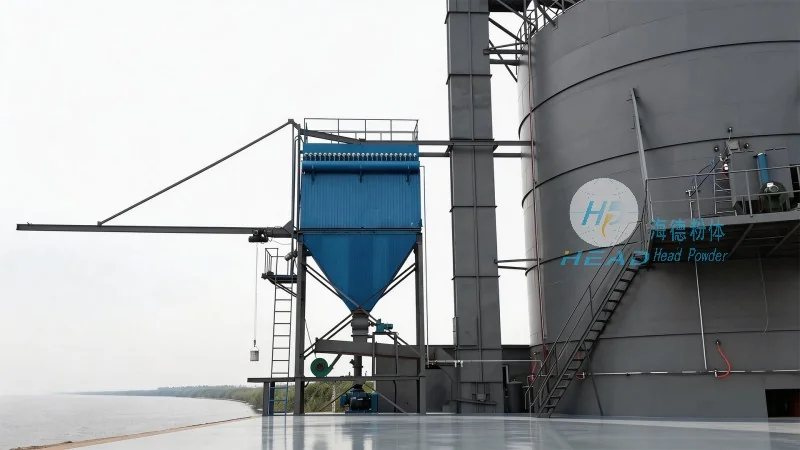
Key Components of Coal Particle Pneumatic Conveying Systems
The core components of a coal particle pneumatic conveying system work in tandem to transport coal particles from a source to a destination. Each component plays a specific role, ensuring the system operates reliably and efficiently. The primary components include:
1. Feed Hopper and Material Handling Equipment
The feed hopper is the initial component where coal is stored and prepared for transport. It is typically designed with a sloped bottom to facilitate material flow. The hopper may be equipped with a rotary valve or a star feeder at the discharge end to control the flow rate of coal into the system. This component ensures a consistent and controlled feed of coal particles, preventing blockages and maintaining system stability.
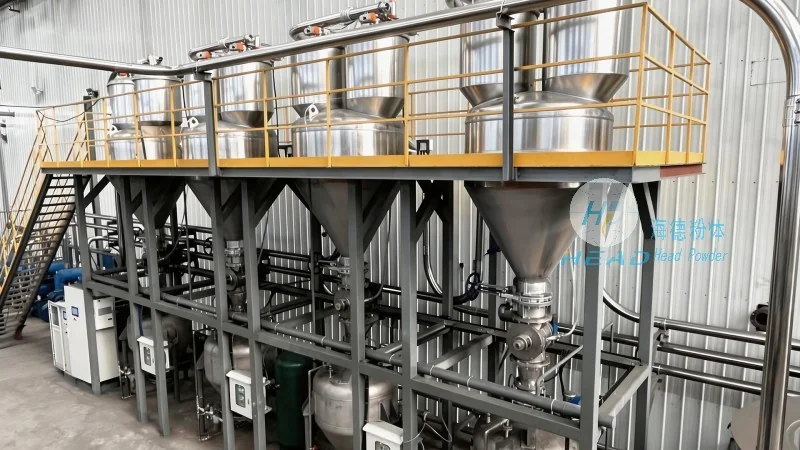
2. Pneumatic Conveying Line and Pipeline System
The pipeline system forms the backbone of the coal particle pneumatic conveying system. It consists of a network of pipes that transport the coal particles along with the conveying air. The choice of pipe material, such as stainless steel or PVC, depends on the nature of the coal and the operating conditions. The pipeline includes bends, elbows, and straight sections, each designed to minimize pressure loss and maintain the flow of particles. Properly sized and configured pipelines are essential for efficient transport over long distances.
3. Air Supply System and Compressor
The air supply system provides the necessary pressure and volume of air to move the coal particles through the pipeline. This system typically includes a compressor, which generates the compressed air required for conveying. The compressor is often equipped with a filter and dryer to ensure the air is clean and free from moisture, which can affect the performance of the system and the quality of the coal being transported. The air supply system also includes pressure regulators and control valves to maintain consistent air pressure.
4. Separation and Collection Equipment
At the receiving end of the system, separation and collection equipment is used to separate the coal particles from the conveying air. This component typically includes a cyclone separator or a baghouse filter. The cyclone separator uses centrifugal force to separate the coal particles from the air, while the baghouse filter captures fine particles using fabric bags. The separated coal is then collected in a discharge hopper, ready for further processing or use. This step is critical to prevent dust emissions and maintain air quality.

5. Control and Monitoring Systems
Modern coal particle pneumatic conveying systems are equipped with control and monitoring systems to ensure optimal operation. These systems include sensors for pressure, flow rate, and temperature, as well as control panels that allow operators to adjust system parameters. The control system can monitor the entire process, alerting operators to any issues such as blockages or pressure drops. This helps in maintaining system efficiency and preventing downtime.
Shandong HeadPowder Engineering Co., Ltd. - Expert in Coal Particle Pneumatic Conveying Solutions
Shandong HeadPowder Engineering Co., Ltd., a leading provider of material handling solutions, specializes in designing and manufacturing coal particle pneumatic conveying systems. With years of experience in the industry, HeadPowder offers customized solutions tailored to the specific needs of clients. The company's expertise lies in integrating the key components discussed above into efficient and reliable systems. HeadPowder's products are designed to meet the highest standards of performance and durability, ensuring long-term operation with minimal maintenance. The company's headquarters is located in Shandong, China, where it serves clients globally with its advanced technology and professional service.