

Components of Ferrous Oxide Pneumatic Conveying
For those in the industrial sector dealing with ferrous oxide, understanding the components of its pneumatic conveying system is crucial for efficient operation and maintenance. The process of transporting ferrous oxide via air, known as pneumatic conveying, relies on a combination of specialized equipment and engineering principles to ensure safe and effective material handling. This article explores the key components that make up a typical ferrous oxide pneumatic conveying system, highlighting the role of each element in the overall operation.
Core Components of the Pneumatic Conveying System
The pneumatic conveying of ferrous oxide typically involves several essential components, each playing a vital role in the material transport process. The primary components include the material feed system, the conveying pipeline, the air supply system, and the control and monitoring equipment. These elements work in tandem to ensure the smooth and reliable movement of ferrous oxide from its source to the destination point.
Material Feed System
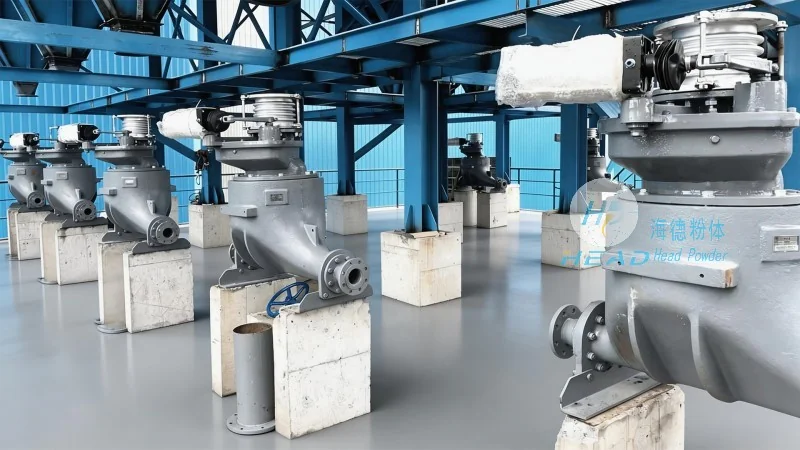
The material feed system is the starting point of the pneumatic conveying process. It is responsible for introducing ferrous oxide into the conveying pipeline in a controlled manner. This system may consist of a hopper or a feeder that regulates the flow of the material, preventing overloading or blockages in the pipeline. The design of the feed system is critical as it directly impacts the efficiency and safety of the entire conveying operation. Properly sized and maintained feed equipment ensures that the ferrous oxide is introduced at a consistent rate, minimizing the risk of system disruptions.
Conveying Pipeline
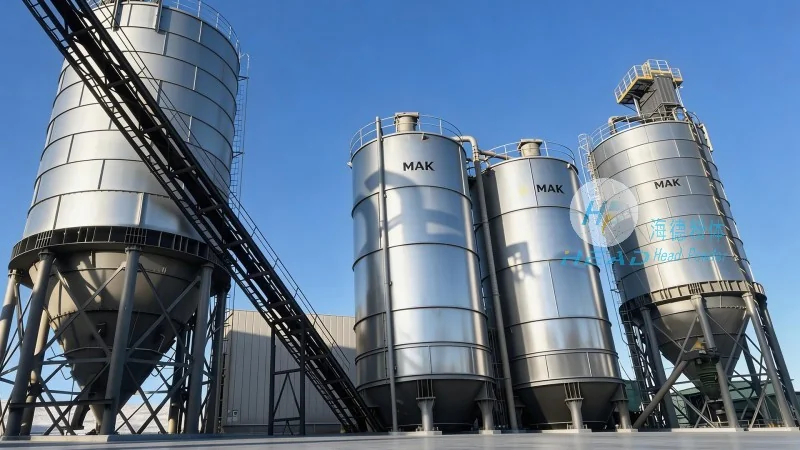
The conveying pipeline is the backbone of the pneumatic conveying system, serving as the pathway for both the ferrous oxide and the conveying air. The pipeline is typically made of materials such as stainless steel or other corrosion-resistant metals to withstand the chemical properties of ferrous oxide and the abrasive nature of the material. The design of the pipeline, including its diameter, length, and layout, is carefully engineered to optimize the conveying efficiency while minimizing pressure losses. The pipeline may also incorporate bends, elbows, and other fittings that are designed to handle the flow of the material and air without causing excessive friction or blockages.
Air Supply System
The air supply system provides the necessary pressure and volume of air to move the ferrous oxide through the pipeline. This system typically includes a blower or a compressor that generates the required airflow. The choice of air supply equipment depends on factors such as the material's properties, the conveying distance, and the desired flow rate. The air supply system is also equipped with filters and regulators to ensure that the air is clean and at the appropriate pressure, preventing contamination of the ferrous oxide and maintaining the efficiency of the conveying process.
Control and Monitoring Equipment
Control and monitoring equipment is essential for managing the pneumatic conveying system and ensuring its safe and efficient operation. This equipment includes sensors, valves, and control panels that monitor parameters such as pressure, flow rate, and material level. These sensors provide real-time data to the control system, allowing operators to adjust the conveying parameters as needed. The control system may also include safety features such as pressure relief valves and emergency shut-off mechanisms to prevent accidents and protect the system from damage. Proper monitoring and control of the system help to optimize performance, reduce downtime, and extend the lifespan of the equipment.
Additional Components and Considerations
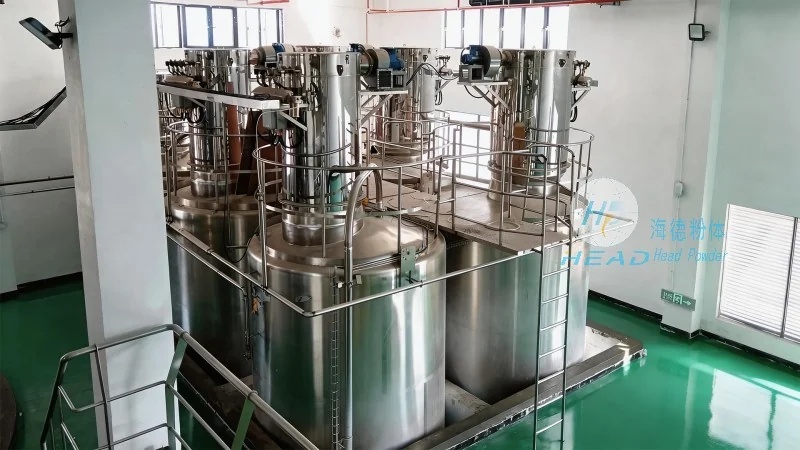
Beyond the core components, a pneumatic conveying system for ferrous oxide may include additional elements to enhance its functionality and reliability. These may include dust collectors, cyclones, or other separation equipment to remove excess air or fine particles from the conveyed material. The system may also incorporate cleaning and maintenance tools to ensure that the equipment remains in good working condition. The selection and integration of these additional components depend on the specific application and operational requirements of the facility.
In conclusion, the pneumatic conveying of ferrous oxide is a complex process that relies on a combination of specialized components working together. Each component, from the material feed system to the air supply and control equipment, plays a critical role in ensuring the efficient and safe transport of ferrous oxide. Understanding these components and their functions is essential for anyone involved in the design, operation, or maintenance of such systems. By properly selecting and maintaining these components, industrial facilities can achieve optimal performance and minimize the risks associated with handling ferrous oxide via pneumatic conveying.