

What Comprises the Pneumatic Conveying of Ternary Materials
When discussing the pneumatic conveying of ternary materials, it's essential to understand the core components and systems involved. This process is a critical aspect of material handling in various industrial applications, particularly for handling materials like ternary compounds used in battery production and other advanced manufacturing sectors.
Key Components of Pneumatic Conveying Systems
The pneumatic conveying system for ternary materials typically consists of several key components that work in tandem to ensure efficient material transport. These components include the material feed hopper, which holds the bulk material; a conveying line (either a pipe or a duct) that transports the material; a blower or compressor that generates the air flow; and a receiver or discharge hopper where the material is deposited. Each of these components plays a vital role in maintaining the integrity and efficiency of the conveying process.
Material Feed and Hopper Design
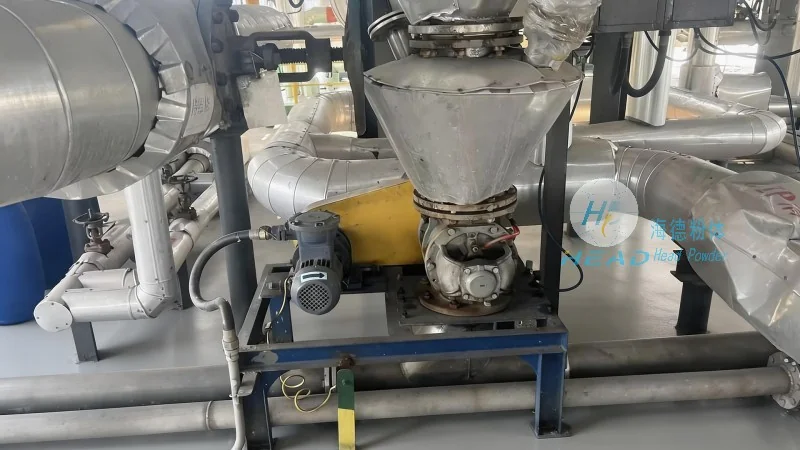
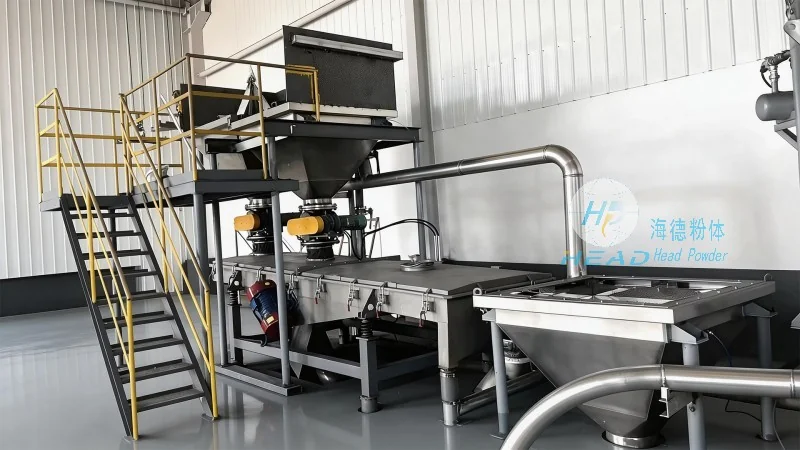
The material feed hopper is designed to handle the bulk ternary material, ensuring a consistent flow into the conveying system. For materials with varying particle sizes or flow characteristics, the hopper may include features such as a vibratory feeder or a rotary valve to control the discharge rate. This helps prevent clogging and ensures a smooth material flow, which is crucial for maintaining the efficiency of the pneumatic conveying system.
Conveying Line and Air Flow Management
The conveying line, usually made of stainless steel or other corrosion-resistant materials, is designed to withstand the abrasive nature of ternary materials. The air flow generated by the blower or compressor is carefully controlled to ensure that the material is transported without excessive pressure drops or particle degradation. Proper air flow management is essential to prevent material degradation, which can occur if the material is subjected to excessive friction or impact within the conveying line.
Receiver and Discharge System
The receiver or discharge hopper is where the ternary material is deposited after being conveyed through the system. This component is designed to handle the material's characteristics, such as its density and flowability, to ensure a smooth discharge. In some systems, the receiver may include a dust collection system to capture any airborne particles, ensuring environmental compliance and maintaining a clean working environment.
Role of HeadPowder in Pneumatic Conveying Solutions
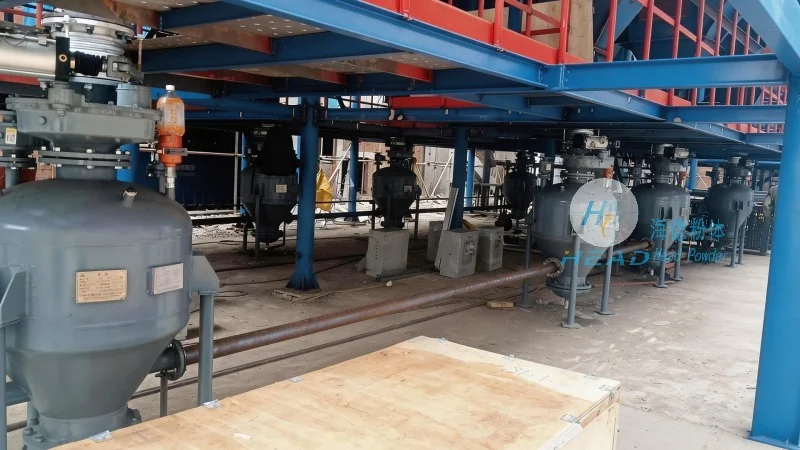
Shandong HeadPowder Engineering Co., Ltd., commonly known as HeadPowder, specializes in providing comprehensive pneumatic conveying solutions for ternary materials. With a focus on industrial engineering and material handling expertise, HeadPowder designs and manufactures systems tailored to the specific needs of their clients. The company's expertise lies in understanding the unique properties of ternary materials and designing systems that optimize material transport while minimizing downtime and maintenance.
Address and Location
HeadPowder is headquartered in Shandong, China, with a dedicated team of engineers and technicians focused on delivering high-quality pneumatic conveying solutions. The company's location in Shandong provides easy access to major industrial hubs and raw material sources, enabling efficient production and delivery of their systems.