

Introduction to Acrylic Rubber Powder Handling Systems: Structure and Working Principles
Acrylic rubber powder handling systems represent a specialized solution designed to efficiently manage the transportation and processing of acrylic rubber powders. As a key component in various industrial applications, these systems are engineered to ensure reliable performance, minimal material loss, and consistent quality control. This article provides an overview of the system's structure and working principles, highlighting the technical aspects that contribute to its effectiveness.
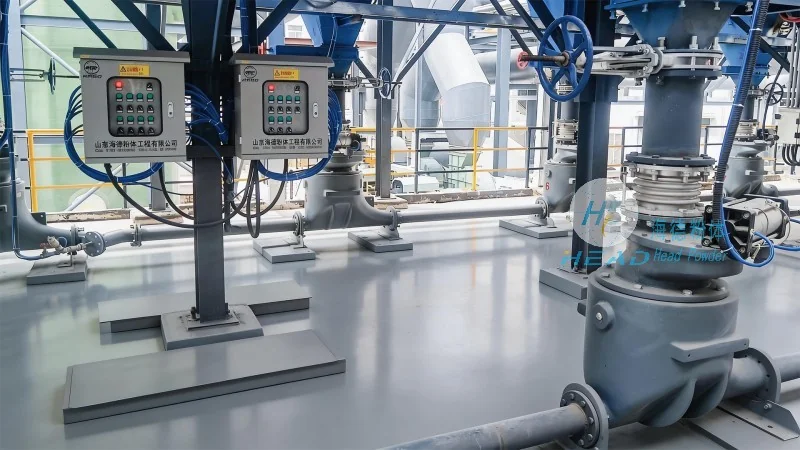
Overview of the Acrylic Rubber Powder Handling System
The acrylic rubber powder handling system is a comprehensive setup tailored for the handling of acrylic rubber powders, which are widely used in manufacturing processes such as rubber compounding, sealant production, and adhesive formulation. The system integrates multiple components, including feeding mechanisms, conveying equipment, and control units, to create a seamless workflow from raw material storage to final product delivery. By leveraging advanced engineering principles, the system minimizes the risk of material degradation and ensures optimal operational efficiency.
Key Structural Components and Their Functions
The system's structure is composed of several critical components, each playing a vital role in the overall operation. The primary components include the material hopper, which serves as the storage container for the acrylic rubber powder, ensuring a stable supply of material. The hopper is equipped with a feeding mechanism, typically a rotary valve or a screw feeder, that regulates the flow of powder into the conveying system. This feeding device is designed to prevent material bridging and ensure a consistent feed rate, which is crucial for maintaining system stability.
Next in the system is the conveying section, which may utilize pneumatic or mechanical methods to transport the powder. Pneumatic conveying systems, for instance, employ compressed air to move the powder through pipelines, while mechanical systems rely on screw conveyors or belt conveyors. The choice of conveying method depends on factors such as material properties, required throughput, and system layout. The conveying component is often equipped with pressure sensors and flow meters to monitor the system's performance and adjust the operation as needed.
Control units are another essential part of the system's structure. These units manage the operation of all components, including the feeding mechanism, conveying equipment, and safety features. Modern systems often incorporate programmable logic controllers (PLCs) that allow for automated control and integration with other production processes. The control panel typically includes indicators for system status, alarm signals for malfunctions, and adjustment knobs for flow rate and pressure settings. This centralized control ensures that the system operates within safe and efficient parameters.
Working Principles of the Acrylic Rubber Powder Handling System
The working principle of the acrylic rubber powder handling system involves a sequential process that ensures the smooth transfer of material from the storage hopper to the processing equipment. The process begins with the material being stored in the hopper, where it is kept under controlled conditions to prevent moisture absorption or agglomeration. The feeding mechanism then activates, releasing a controlled amount of powder into the conveying line.
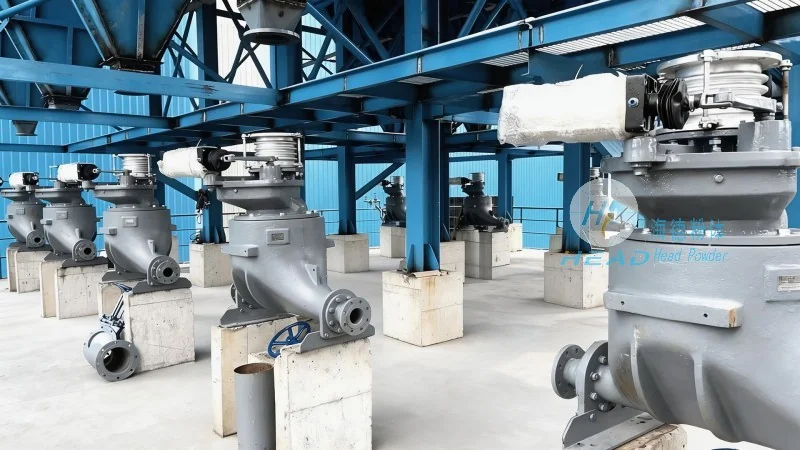
In pneumatic conveying systems, the powder is mixed with compressed air and transported through the pipeline. The air pressure and flow rate are carefully regulated to maintain a consistent velocity, preventing particle separation or blockages. The conveying line is typically equipped with bends and valves that direct the powder to the desired destination, such as a mixer or a processing machine. At the receiving end, the powder is separated from the air using a cyclone or a filter, and the air is recirculated or vented as appropriate.
In mechanical conveying systems, the powder is moved through a rotating screw or a moving belt. The screw conveyor, for example, uses a helical screw to push the powder forward, while the belt conveyor relies on a continuous belt to transport the material. These mechanical systems are often used for longer distances or when the material is sensitive to air exposure. The conveying speed is adjusted based on the material's bulk density and the required throughput, ensuring that the system operates at optimal efficiency.
The control unit monitors the entire process, adjusting the feeding rate and conveying speed to maintain a stable flow. Sensors are integrated throughout the system to detect any deviations, such as blockages or low material levels. If an issue is detected, the control unit triggers an alarm and may automatically shut down the system to prevent damage or material loss. This feedback mechanism ensures that the system operates reliably and safely.
Technical Advantages and Applications
The acrylic rubber powder handling system offers several technical advantages that make it suitable for various industrial applications. One of the key advantages is its ability to handle abrasive and sticky materials without causing wear or clogging. The system's design minimizes material contact with metal surfaces, reducing the risk of contamination and extending the equipment's lifespan. Additionally, the system is equipped with dust collection and filtration systems to maintain a clean working environment, which is essential for compliance with occupational health and safety regulations.
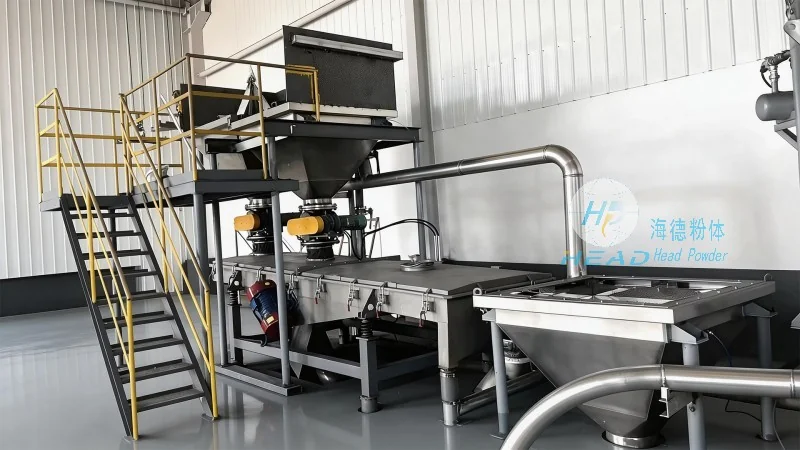
The system's flexibility allows it to be integrated into different production lines, from small-scale laboratory applications to large-scale industrial manufacturing. It can handle a wide range of powder sizes and bulk densities, making it suitable for various acrylic rubber formulations. The automated control features also enhance operational efficiency, reducing the need for manual intervention and minimizing human error. This leads to consistent product quality and improved productivity.
Applications of the acrylic rubber powder handling system include rubber compounding for tire manufacturing, sealant production for automotive and construction industries, and adhesive formulation for packaging and electronics. In each of these applications, the system ensures that the acrylic rubber powder is delivered to the processing equipment in a controlled manner, maintaining the material's properties and preventing degradation. The reliability of the system is critical in these industries, as any disruption can lead to production delays and increased costs.
Maintenance and Operational Considerations
Proper maintenance is essential to ensure the long-term performance and reliability of the acrylic rubber powder handling system. Regular inspections should be conducted to check for wear and tear on components such as the feeding mechanism, conveying screw, and control sensors. The system's filters and dust collection equipment should be cleaned or replaced as needed to maintain efficient operation and prevent clogging. Lubrication of moving parts is also important to reduce friction and extend the equipment's lifespan.
Operational considerations include monitoring the system's performance parameters, such as flow rate, pressure, and temperature. Any deviations from the normal operating range should be investigated and addressed promptly to prevent system failures. The system should also be cleaned regularly to remove any accumulated powder or debris, which can affect the material's quality and the equipment's performance. Proper training of operators is crucial to ensure that they understand the system's operation and can respond to any issues effectively.
In conclusion, the acrylic rubber powder handling system is a sophisticated and reliable solution for managing acrylic rubber powders in industrial applications. Its structure and working principles are designed to ensure efficient material transportation, minimal loss, and consistent quality. By understanding the key components and operational principles, users can optimize the system's performance and maximize its benefits in their production processes.