

Design of a Pneumatic Conveying System for Foundry Sand
For foundry sand processing applications, the design of an efficient and reliable pneumatic conveying system is crucial to ensure smooth material handling and operational efficiency. This article introduces the key considerations and technical aspects involved in developing a pneumatic conveying system specifically tailored for foundry sand, highlighting the expertise of Shandong HeadPowder Engineering Co., Ltd. (headpowder), a leading manufacturer based in Shandong, China.
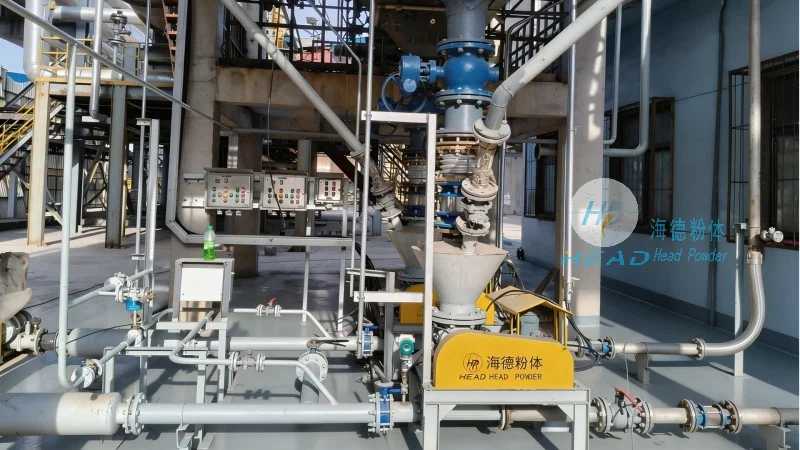
Key Design Elements for Foundry Sand Pneumatic Conveying
The successful design of a pneumatic conveying system for foundry sand relies on several critical factors, including material properties, system layout, and operational requirements. Foundry sand typically consists of a mixture of sand particles, binders, and other additives, which can vary in size, density, and moisture content. These characteristics directly impact the selection of the conveying method, such as dilute phase or dense phase, and the appropriate equipment components like blowers, cyclones, and material feeders.
One of the primary design challenges is managing the abrasive nature of foundry sand, which can cause wear on system components over time. To mitigate this, the system incorporates durable materials of construction, such as high-strength steel or specialized alloys, for critical parts like the conveying pipes and cyclone separators. Additionally, the design considers the need for efficient separation of sand from air, which is achieved through the use of high-efficiency cyclones that maximize particle recovery and minimize dust emissions.
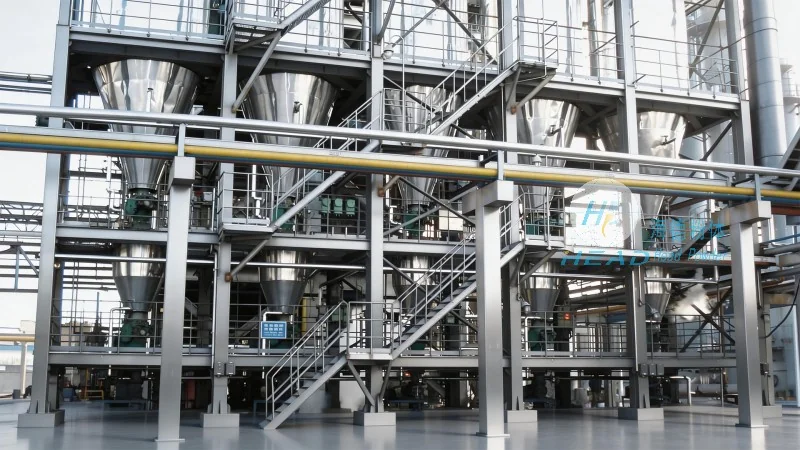
System Components and Their Integration
A pneumatic conveying system for foundry sand typically consists of several interconnected components working in harmony to achieve effective material transport. The system begins with a material feeder, which accurately controls the flow rate of foundry sand into the conveying line. This is followed by a positive displacement blower or a high-pressure fan that generates the necessary air pressure to move the sand particles through the pipeline.
The conveying line itself is designed with appropriate pipe diameters and bends to minimize pressure drop and ensure consistent flow. For longer distances or more complex layouts, multiple blowers or booster units may be incorporated to maintain sufficient pressure. At the receiving end, a cyclone separator or a baghouse filter is used to separate the sand from the air stream, allowing the sand to be discharged into a storage bin or processing equipment while the air is either recirculated or discharged to the atmosphere.
Advantages of a Custom-Designed System
Customizing a pneumatic conveying system for foundry sand offers significant advantages over off-the-shelf solutions. A tailored design ensures that the system is optimized for the specific characteristics of the foundry sand being handled, leading to higher efficiency, lower energy consumption, and reduced maintenance costs. The integration of advanced control systems allows for real-time monitoring of system performance, enabling operators to adjust parameters such as air pressure and feed rate to maintain optimal operation.
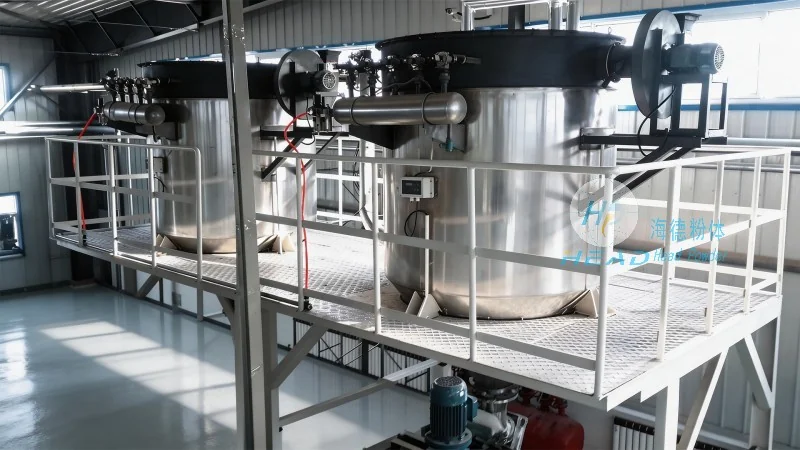
Furthermore, a custom-designed system can be built to comply with local regulations regarding dust control and environmental emissions. This is particularly important for foundries operating in regions with strict environmental standards, as the system can be equipped with advanced filtration technologies to minimize particulate matter release. The result is a more sustainable and environmentally friendly operation that aligns with modern industrial practices.
Conclusion
Designing a pneumatic conveying system for foundry sand requires a comprehensive understanding of material properties, system dynamics, and operational requirements. By leveraging the expertise of manufacturers like Shandong HeadPowder Engineering Co., Ltd., foundries can implement a reliable and efficient system that enhances productivity, reduces downtime, and improves overall operational performance. The combination of durable components, efficient separation technology, and custom design ensures that the system meets the unique demands of foundry sand processing, providing a long-term solution for material handling challenges.